
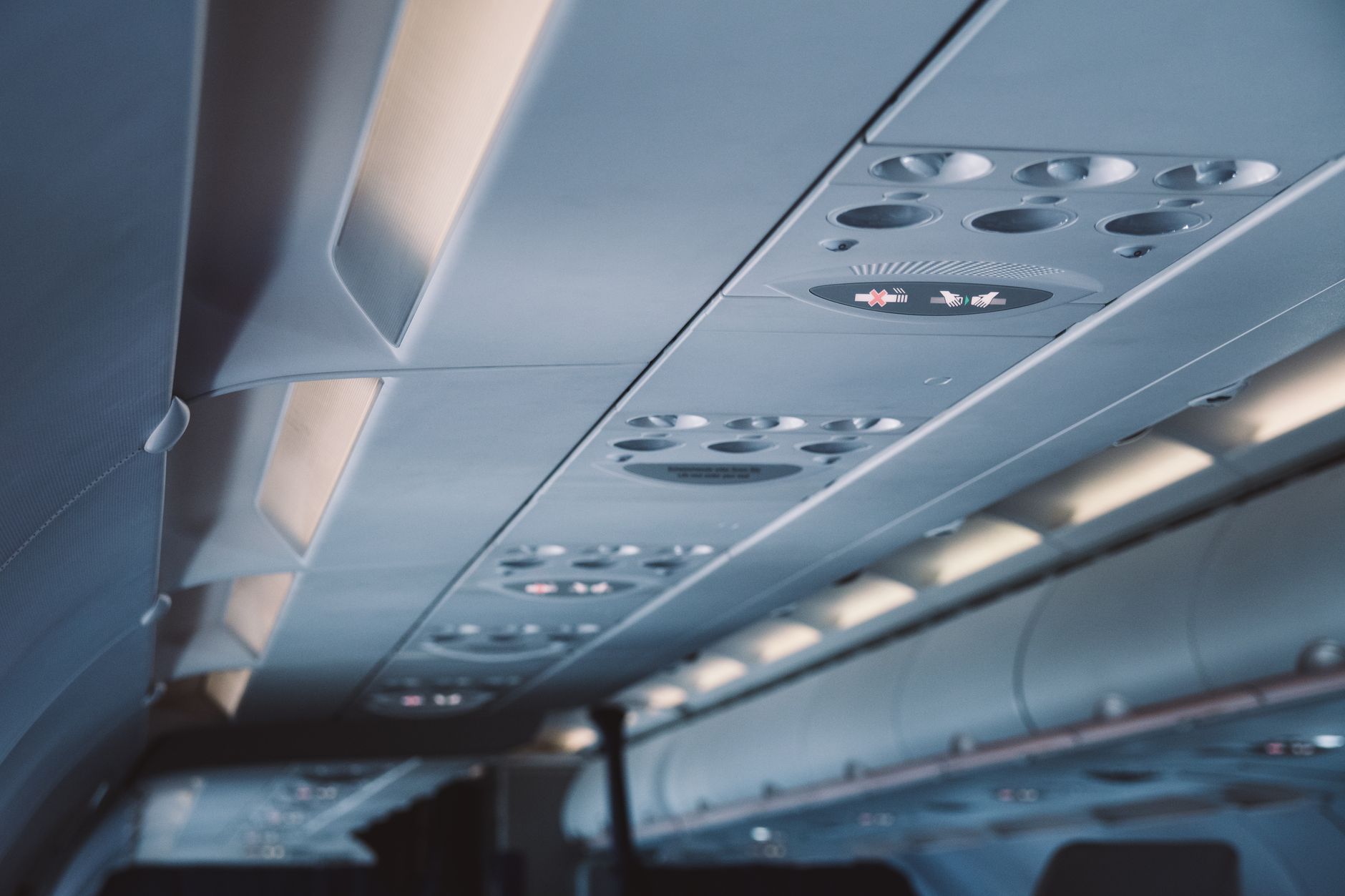
Is Spirit Airlines Safe? This question matters for travelers weighing price against peace of mind. The short answer: yes, Spirit adheres to the same safety standards as other U.S. carriers, with oversight from federal regulators and ongoing industry practices.
In practice, your safety with Spirit comes down to the same basic factors as any airline: aircraft maintenance, crew training, operational procedures, and personal precautions. This guide breaks down what that means in concrete terms for a practical, budget-minded traveler.
Is Spirit Airlines Safe? A practical, no-nonsense answer
Yes, Spirit Airlines operates under the same safety framework as major U.S. carriers. The airline is regulated by the Federal Aviation Administration, adheres to standard maintenance schedules, and requires pilots and crew to complete regulatory training and recurrent checks.
Safety is a system, not a slogan. While Spirit emphasizes low fares and a simplified product, its safety record is shaped by the same rules that govern other airlines in the United States and internationally.
How safety works at Spirit and why you can feel confident
Airlines in the United States must meet stringent requirements for airworthiness, maintenance, and operations. Spirit participates in the same framework that keeps commercial aviation among the safest forms of travel.
The FAA conducts routine inspections of Spirit’s aircraft and maintenance facilities. Airlines also maintain ongoing training programs for pilots and cabin crews. These elements form the backbone of day-to-day safety practice.
The Spirit fleet and what it means for safety
Spirit operates a managed fleet of single-aisle aircraft, primarily designed for efficiency. A younger, uniform fleet can simplify maintenance schedules and inspections.
Aircraft are equipped with standard safety systems, including emergency equipment and cabin safety features. Routine checks and component replacements follow manufacturer and regulatory timelines.
Maintenance practice: what to know
Scheduled maintenance is required for every aircraft, regardless of airline size. Spirit follows a maintenance program that aligns with FAA rules and aircraft manufacturer guidelines.
Maintenance records are subject to regulatory review. This transparency helps ensure that aircraft remain airworthy and safe for passenger service.
Pilot and crew training: what keeps you safe in the cabin
Pilots complete initial type-rating training and recurrent proficiency checks. Cabin crews train on emergency procedures, evacuation, and passenger safety demonstrations.
Airline safety culture also depends on procedures, drills, and real-world practice. You can expect standard pre-flight briefings and safety demonstrations before every flight.
What to expect in flight: safety routines and cabin practices
Before pushback, flight crews confirm safety procedures and seat belt usage. In-flight safety reminders cover seat belts, life vests, oxygen, and exits.
During flight, crew members maintain professional standards and respond to issues per established protocols. Passengers can help by following crew instructions and staying aware of safety information.
Addressing common safety concerns
- Aircraft age and maintenance intervals: While Spirit’s fleet is newer on average, always verify current fleet details before booking if this is important to you.
- On-time performance and disruptions: Operational issues can affect safety timelines, but do not imply safety lapses.
- Cabin conditions and comfort: Comfort does not equate to safety, but discomfort can influence perceived risk.
- Bag policies and overhead bin safety: Clear carry-on rules help keep aisles clear during emergencies.
Safety vs. price: tradeoffs you should understand
Lower fares can mean fewer frills, not reduced safety. Core safety provisions – maintenance, training, and regulatory oversight – apply regardless of ticket price.
Budget-conscious travel often means choosing add-ons carefully. You can still travel safely by prioritizing seat belt compliance, following crew instructions, and planning for longer security queues or boarding times.
Where Spirit shines for safety-minded travelers
Spirit’s business model emphasizes standardized procedures. A uniform fleet and consistent operating practices can reduce the chance of variability in safety performance.
For travelers, this can translate into predictable safety experiences, easier risk assessment, and straightforward expectations about what happens in an in-flight incident or delay.
Practical tips to travel safely on Spirit
- Choose a seat with more legroom if available, but avoid relying on extra space for safety conclusions.
- Pay attention to the pre-flight safety briefing and read the safety information card. It contains location-specific instructions.
- Wear a seat belt whenever seated, especially during turbulence, even if the seat belt sign is off.
- Keep aisles clear and store luggage securely to prevent injuries during unexpected maneuvers.
- Know the exit locations and count the seats to ensure you can locate the nearest exit quickly in an emergency.
- Distractions like electronics should not impede your awareness of safety demonstrations.
Choosing Spirit: when it makes sense for your trip
If price is a major factor and you’re traveling light, Spirit can offer significant savings. For families or groups, consider how add-ons affect total cost and the value of bundled options.
If you value minimalism and reliability over extra amenities, Spirit can fit your needs without compromising safety fundamentals.
Travel planning: checking safety dynamics before you book
Check regulatory updates in the weeks before travel since safety practices can evolve with new rules or procedures. Official sources like the FAA and airline communications are the best starting points.
Look at the airline’s performance indicators, such as on-time reliability and maintenance disclosures, from reputable travel outlets. Use these as a context, not a sole decision driver, for safety expectations.
What about incidents and safety records?
Public airlines in the United States publish safety records through regulatory bodies and industry reporting. Avoid drawing conclusions from isolated incidents; instead, consider the overall framework and routine checks that continue after any event.
Consider the broader safety ecosystem: air traffic control, weather forecasting, and airport procedures all contribute to safe operations beyond a single airline.
Travel scenarios: safety considerations by trip type
Solo travelers may favor clearer personal safety steps and direct access to safety information. Families might prioritize clearer in-flight safety demonstrations and accessible crew assistance.
Business travelers often need predictable schedules, but safety remains the constant for all trips. Regardless of purpose, follow standard safety practices for best results.
Safety and accessibility: inclusive travel thoughts
Airlines typically provide assistance for travelers with mobility challenges or other accessibility needs. Contact the airline in advance to arrange seating, boarding, and help with safety equipment as required.
If you require specific accommodations, review Spirit’s accessibility policies and confirm what services are available on your chosen route.
How to stay informed: current advisories and official guidance
Check official travel advisories from government sources before departure, especially if you’re traveling internationally. Safety information can shift with regulatory changes or public health guidelines.
Bookmark Spirit’s official notices and FAA updates for the most current information on safety procedures and aircraft operations.
Bottom-line safety posture for Spirit travelers
Spirit’s safety framework aligns with established aviation standards in the United States. The combination of regulatory oversight, standardized training, and maintenance discipline underpins its safety posture.
As with any airline, your safest approach is to stay informed, follow crew instructions, and prepare for common travel contingencies with a calm, prepared mindset.
Plan your trip with confidence: quick-reference safety checklist
- Verify flight and fleet details before booking if fleet age or type matters to you.
- Review the latest safety notices from the FAA and the airline’s communications.
- Read the safety briefing and know exit locations on your specific aircraft.
- Keep belt fastened when seated, and secure baggage properly.
- Have a plan for turbulence and in-flight emergencies, even simple things like water access and emergency exits.
What to do if you feel unsafe or uncomfortable
If you have concerns during a flight, speak with a crew member. Professional crews are trained to address a range of in-flight situations safely.
After landing, report any safety concerns through the proper channels if you believe a safety issue needs adjustment or investigation.
Budget travel and safety: balancing value and risk
Budget travel often means fewer comforts, but safety remains consistent. Use price savings to allocate resources toward reliable carry-on essentials, like a compact travel pillow, compression socks, and a basic first-aid kit.
Consider travel insurance as an extra safety net, especially for longer trips or when multiple carriers are involved. Read policy details to understand coverage for airline-related disruptions.
Connecting safely with Spirit’s ground services
Safety begins on the ground. Arrive early to reduce stress and ensure you have time for security checks, baggage handling, and boarding procedures without rushing.
At the airport, follow posted safety guidance and staff directions. Ground crews follow the same safety standards as flight crews, reinforcing a cohesive safety environment.
What to pack to stay prepared and safe
Pack a small, quick-access safety kit: flashlight, portable charger, copy of important numbers, and a basic medical kit. These items can be useful in unexpected situations.
Carry a spare face mask if needed for comfort or public health guidelines in transit. This is a small precaution that helps in crowded spaces.
Accessibility and safety for families
Families should plan seating to keep children near a caregiver and away from high-traffic areas when possible. A calm, organized onboard routine helps reduce stress for younger travelers.
Bring age-appropriate safety items, like child-safe seat belts or harnesses where permitted, and ensure all passengers follow crew safety commands during flight.
Seasonal planning: weather, turbulence, and safety
Weather can influence turbulence and flight routes. Pilots adjust flight plans to maintain safety margins when weather conditions are variable.
Check the forecast for your destination and pack accordingly. A flexible plan helps you manage weather-related delays without compromising safety.
Safety mindset for a smooth trip
Approach travel with a practical, safety-first mindset. Small, consistent practices add up to safer, less stressful journeys.
Trust official guidelines and use them to shape your plan, not your worry.
Final considerations: safety verdict and practical next steps
Is Spirit Airlines safe? The answer hinges on standard aviation safeguards rather than airline branding. The aviation system in which Spirit operates prioritizes safety through maintenance, training, and regulatory oversight.
Next step: verify the latest safety information for your specific route and aircraft type, then book with a plan that aligns with your comfort level and budget.
For readers seeking further context on airline safety and Spirit’s reliability, consider these guides: Is It Safe to Fly Right Now? and Why Spirit Airlines Are Safe.
To explore related destination guides and travel-planning articles, check these resources: Is It Safe to Fly Right Now?, Why Spirit Airlines Are Safe.