
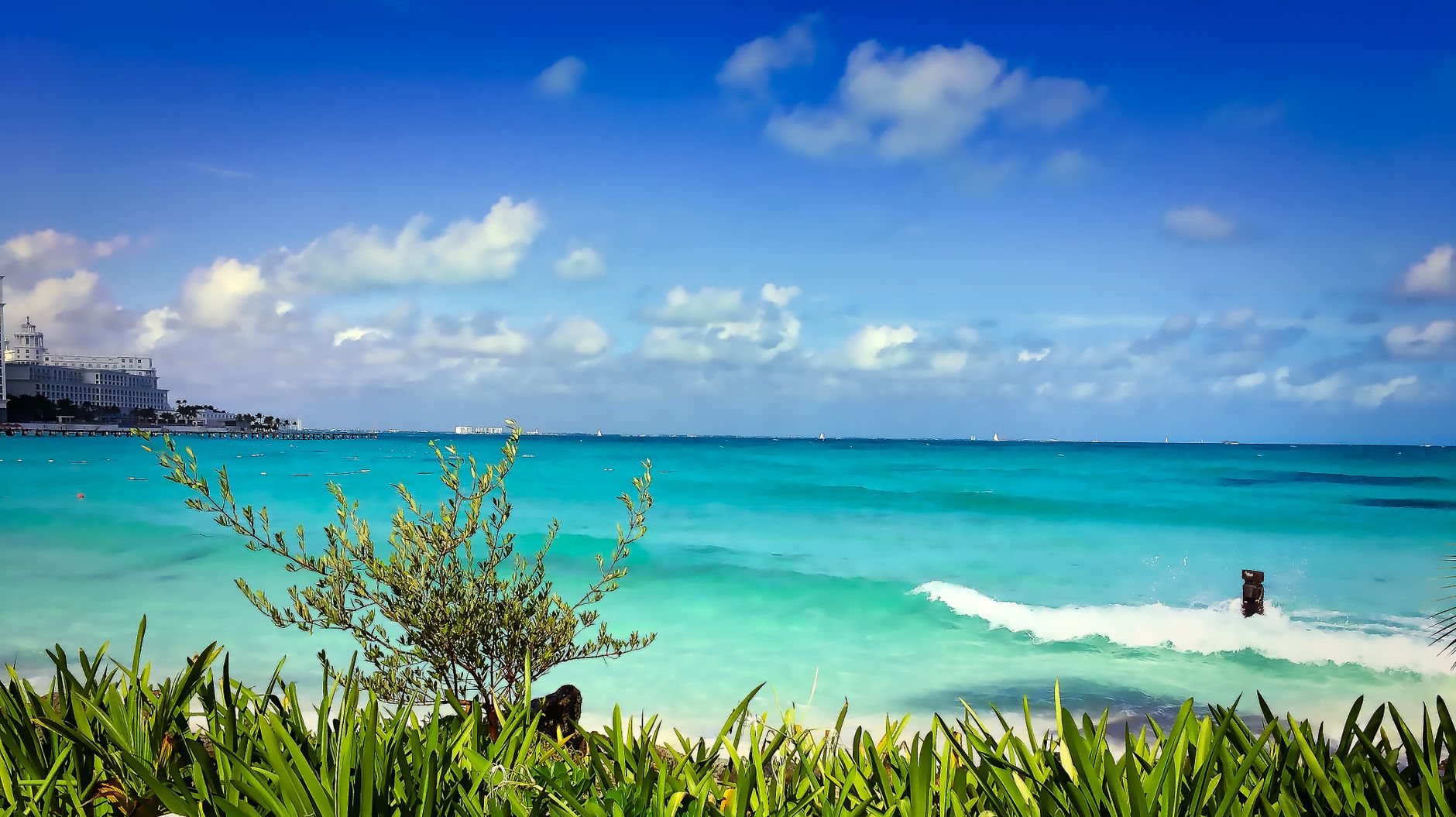
Is Belize Safe? It’s a common question for travelers headed to Central America. The short answer: Belize is generally safe for tourists, with smart planning and awareness boosting your security and enjoyment.
Like many destinations, it has areas with higher risk and typical travel scams to watch for. Read on for practical, field-tested tips you can use to plan a safer trip.
Is Belize Safe? A practical travel overview
Belize offers rich Maya culture, barrier reef diving, jungle adventures, and tiny islands with laid‑back vibes. Safety depends on location, time of day, and personal vigilance.
What makes Belize worth visiting—and who it suits
Belize suits travelers who love snorkeling, diving, wildlife, and offbeat adventure. It also works well for mixed trips with time on the cayes and inland explorations.
Expect friendly communities, English is widely spoken, and a compact travel footprint that makes it easy to connect highlights in a single trip. The country rewards travelers who balance outdoor activities with sensible precautions.
Which areas are safer and why
Tourist zones along the coast and on the cayes tend to be mejor for safety and services. Areas like Ambergris Caye, Caye Caulker, and Placencia have established infrastructure and increased police presence in commercial zones.
Belize City requires extra caution. Stick to well‑lit, busy streets, and avoid isolated neighborhoods after dark. Use reputable transport and plan transfers in advance.
Getting there and getting around
Direct flights from major North American hubs arrive at Belize City as the main gateway. From there, you can transfer to inland destinations or the cayes by bus, taxi, water taxi, or domestic flights.
On the islands and in towns, bicycles and golf carts are common. For inland exploration, rental cars are possible but driving at night is discouraged in some areas.
When to visit and seasonal considerations
The dry season runs roughly late November through April and offers the most reliable weather for beach and reef activities. The rainy season can bring brief downpours and higher humidity, but often with fewer crowds.
Hurricane season runs June through November, with peak risk in August and September. If you travel in these months, stay flexible and monitor official advisories.
How long to stay
A well-balanced Belize itinerary typically runs 7 to 10 days. This allows time for reef days, jungle excursions, and a couple of cultural stops without rush.
Plan to allocate at least two sea days if you want to dive the Blue Hole or explore outer cayes. Inland adventures pair well with a few beach days at the start or end.
Budget considerations and practical planning
Belize is more affordable than many Caribbean destinations, but costs can add up in the cayes. Plan for accommodation, tours, and transport as separate line items.
Dining ranges from casual shacks to midrange eateries. Expect to pay a premium for seaside or resort dining, especially on Ambergris Caye and Caye Caulker.
Safety foundations: common-sense precautions
- Stay in well‑lit, populated areas after dark.
- Keep valuables out of sight and use hotel safes when available.
- Avoid displaying electronics or large amounts of cash on the street.
- Split important documents and carry copies in a separate location.
- Use official taxis or rideshare services when possible.
Crime and safety: what to know
Petty theft and pickpocketing can occur in busy markets and transit hubs. Violent crime is not a daily risk for tourists but can happen in any city area at night.
Trust your instincts and avoid risky neighborhoods, especially after dark. If a situation feels off, seek a safe, populated route or a nearby business to regroup.
Scams and travel tips
- Be wary of unofficial tour guides offering discounts. Book through reputable operators or hotel desks.
- Avoid street vendors offering too-good-to-be-true snorkeling or reef trips.
- Verify pickup times for domestic flights or water taxis to prevent missed connections.
- Ask hotel staff for current safety recommendations in your area.
Family travel safety considerations
Belize can be very family‑friendly, with shallow reefs and calm bays ideal for beginners. Choose operators with child‑friendly gear and safety standards.
Keep a close eye on water activities with young children and enforce life‑jacket use. Select guided tours with proper supervision and certified equipment.
Solo travel safety tips
Solo travelers often report a smooth experience in Belize’s popular zones. Pair up for reef trips or jungle excursions if you feel unsure about solo activities.
Share your itinerary with someone back home and check in regularly. Prefer daytime activities and avoid unfamiliar routes at night.
Outdoor adventures and safety readiness
Belize offers snorkeling, diving, hiking, and cave exploration. Respect environmental guidelines and follow local guides’ safety instructions.
In jungle terrain, carry water, sun protection, insect repellent, and a basic first-aid kit. For cave excursions, ensure your guide is licensed and uses proper equipment.
Accommodation guide by area and traveler type
Ambergris Caye and Caye Caulker target travelers seeking beach life and easy reef access. In these areas, look for properties with on‑site security, front desks, and reputable tour desks.
Placencia offers a mix of boutique hotels and guesthouses with village charm. For budget travelers, hostels near the center and harbor areas provide good access to transport and activities.
Transportation planning and practicalities
Domestic flights cut travel time between inland destinations and the cayes. Water taxis are the scenic choice between islands and the mainland.
Use official ferry or water taxi services and confirm schedules in advance. For driving, choose reputable rental companies and inspect the vehicle before departure.
Food and drink safety tips
Eat at established spots with visible hygiene practices. Bottled water is widely available; use it for drinking and ice where possible.
Be mindful of street food hygiene and avoid raw or undercooked seafood in unfamiliar markets. If you have dietary restrictions, explain clearly and choose places that can accommodate them.
Health considerations and travel insurance
Check routine vaccines and carry basic medications. A travel insurance plan with medical evacuation coverage is prudent for adventure activities.
Be aware of weather-related risks during the rainy season and plan accordingly for storms or temporary closures of excursions.
Accessibility and inclusive travel
Belize’s main tourist areas are accessible at a basic level, with many hotels and operators accommodating mobility needs. Confirm accessibility details with the property before booking.
When planning activities, discuss any assistive requirements with your guide or operator ahead of time. Some attractions may have limited accessibility options.
Is Belize safe for a road trip?
Self‑drive trips are possible but require careful planning. Road conditions vary, and nighttime driving is less advised in rural areas.
Plan routes with clear daylight driving windows and use up‑to‑date maps. Hire a local guide or join a small group for longer jungle routes when possible.
Cruise stops and safety on the water
Belize’s cruise port visits bring you to water activities and easy day trips. Follow cruise line guidance and book through reputable operators.
Always wear life jackets for water activities and stay within guided areas. Be mindful of weather changes that can affect sea conditions.
Safety checklist for your Belize trip
- Register with your embassy if that service is available for travelers.
- Keep digital copies of important documents in a secure cloud or encrypted app.
- Carry a small amount of local currency and a backup card in a separate place.
- Share your day plan with your hotel or host and check in at set times.
- Choose guided tours with licensed operators and verified equipment.
What to do if you feel unsafe
Move to a visible, populated area and seek assistance from staff or locals. Contact your hotel front desk for safe transportation options.
Use your hotel’s emergency contact numbers and nearby police or tourism offices if needed. Trust local guidance on safe routes and times.
Practical packing for safety and comfort
- Lightweight clothing, sun protection, and a wide‑brim hat.
- Sturdy shoes for jungle trails and uneven sidewalks.
- Reef-safe sunscreen and insect repellent with DEET or natural alternatives.
- Waterproof bags for electronics and valuables during boat trips.
- Basic first‑aid kit, including seasickness tablets if needed.
Suggested Belize itinerary: a safe, balanced plan
- Day 1–2: Belize City arrival and a cautious introduction to the country’s history.
- Day 3–4: Ambergris Caye for reef snorkeling or a beginner diver experience.
- Day 5–6: Caye Caulker for a relaxed island vibe and sea kayaking.
- Day 7–8: Placencia for beach time and a day trip to nearby wildlife reserves.
- Day 9–10: Inland jungle or Mayan ruins with a licensed guide.
Best practice safety timeline for Belize
Before departure, review official travel advisories and visa requirements. On arrival, start with guided, reputable services in tourist zones.
During your trip, maintain situational awareness and avoid touring unfamiliar neighborhoods after dark. When in doubt, opt for guided experiences with credible operators.
Conclusion and practical next steps
Belize can be a safe and deeply rewarding destination when you travel with preparation and caution. Use the guidance above to shape an itinerary that balances reef days, jungle adventures, and cultural discoveries.
Plan with reputable operators, stay in well‑trafficked areas, and keep safety front and center on every activity.
Ready to start planning? Explore destination guides and travel-planning articles for more practical safety tips, gear lists, and itinerary ideas.