
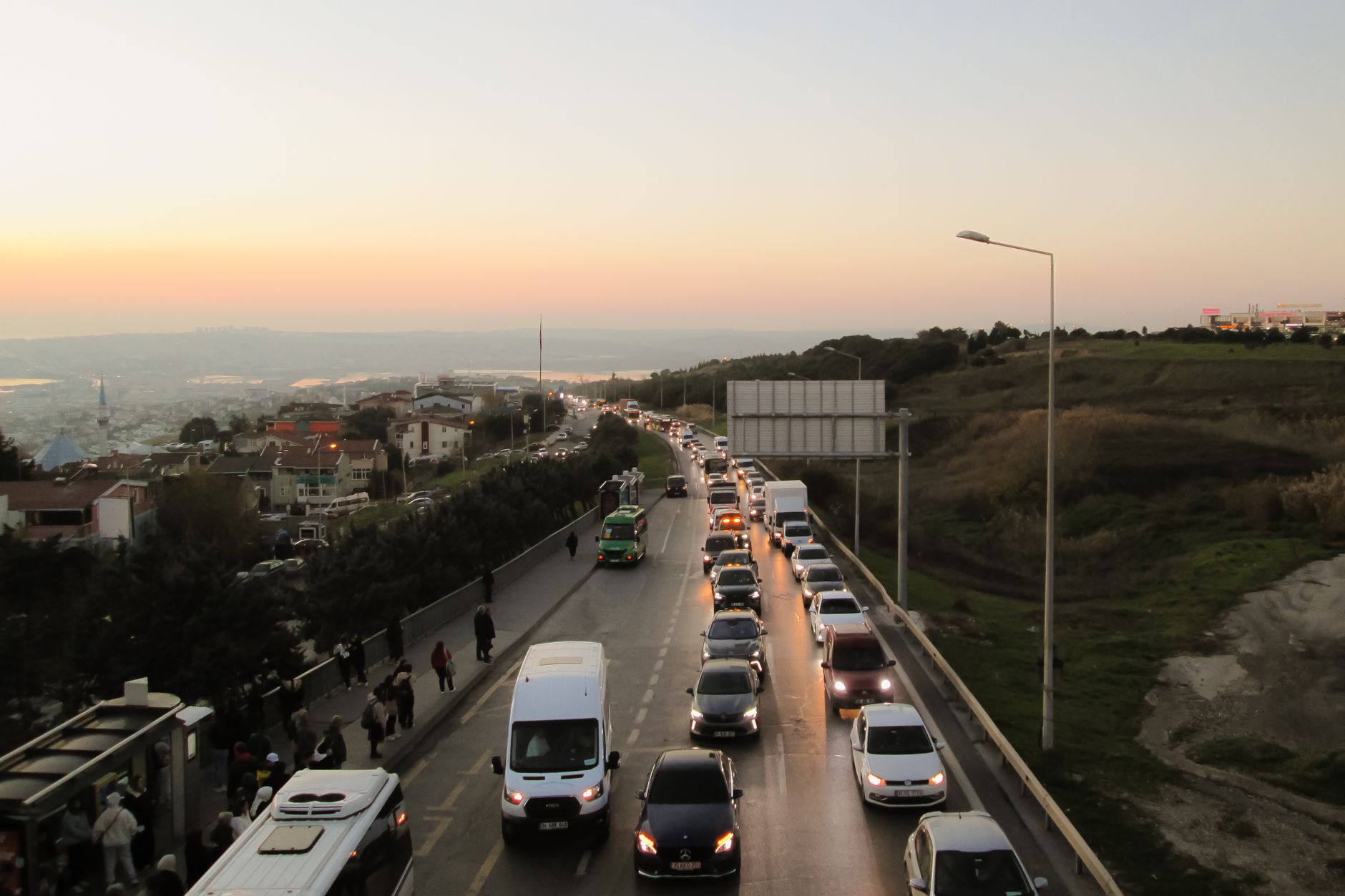
Traffic on I-40 East can often be a source of frustration for travelers. Understanding the factors at play when traffic suddenly halts can save time and reduce stress on your journey. In this article, we will address common reasons for traffic stoppages on I-40 East and provide essential tips for navigating these situations.
I-40 East runs through several states and major cities, making it a critical artery for both local and long-distance travel. Factors including construction, accidents, and weather can significantly impact traffic flow. Awareness and planning are essential to prevent delays that could affect your travels.
Why Is Traffic Stopped On I-40 East Today?
Traffic may be stopped on I-40 East today due to a variety of reasons, including construction work, accidents, or adverse weather conditions. Staying informed about these factors can help travelers anticipate potential delays and plan alternative routes when needed.
Common Reasons for Traffic Stoppages
Identifying the cause of traffic delays can empower travelers to adapt their plans effectively. Here are some of the most common reasons for traffic stoppages on I-40 East:
1. Accidents
Accidents are one of the most frequent causes of traffic stoppages on any highway, including I-40 East. Whether it be minor fender benders or major collisions, wrecks can block lanes and cause delays for miles.
- Check traffic updates to understand the specifics of an accident and its impact on traffic flow.
- Avoid distractions and stay alert on the road to minimize the risk of accidents.
2. Construction and Road Work
Ongoing construction and maintenance projects often result in lane closures and reduced speed limits. These projects aim to improve the condition and safety of the roadway but can also cause significant delays.
- Check state and local Department of Transportation websites for construction schedules.
- Plan your trip around known construction zones to avoid potential bottlenecks.
3. Weather Conditions
Severe weather such as heavy rain, snow, or fog can lead to reduced visibility and unsafe driving conditions, forcing traffic to slow down or even stop entirely.
- Stay informed about weather forecasts for the areas you’ll be traveling through.
- Adjust your driving speed according to weather conditions and maintain a safe distance from other vehicles.
4. Traffic Volume
High traffic volume during peak travel times—such as rush hour or holiday weekends—can inevitably lead to congestion and temporary stops. Sometimes these issues resolve relatively quickly.
- Consider traveling during off-peak hours to avoid heavy traffic.
- Utilize apps that provide real-time traffic updates to foresee congestion.
5. Emergency Situations
Emergency response situations, such as vehicle breakdowns or medical emergencies, may require lane closures. This can lead to sudden stops as responders assist those in need.
- Always be cautious when driving in proximity to emergency vehicles.
- Follow navigational apps that can help identify alternative routes.
How to Stay Informed
Having real-time information about traffic conditions can significantly improve your travel experience. Here are some efficient ways to stay updated:
1. Traffic Apps
Many mobile apps provide live traffic updates, mapping alternative routes, and estimated arrival times:
- Waze: A community-driven app that offers real-time traffic and road information, including accidents and police presence.
- Google Maps: Updates traffic conditions and provides suggestions for alternate routes.
2. Local Radio Stations
Many local radio stations provide traffic updates, especially during peak times or in the presence of significant accidents or closures. Tuning in can keep you informed while you’re on the road.
3. Social Media and Online Sources
Follow local traffic accounts or channels that consistently update traffic conditions. Many highway departments actively post about traffic issues on Twitter, Facebook, and their websites.
Tips for Dealing with Traffic Stoppages
Even with the best planning, you may still encounter traffic jams. Here are some practical tips to handle these delays:
1. Practice Patience
Staying calm can help to prevent heightened stress and erratic driving behavior. Use this time to play some music, enjoy a podcast, or simply enjoy the scenery.
2. Explore Alternate Routes
If you notice significant delays ahead, and it’s safe to do so, consider exiting the highway for an alternative route:
- Look for state or county roads that parallel the interstate.
- Use navigational apps to guide you through detours.
3. Stay Hydrated and Equipped
If you plan to be on the road for extended periods, keep water and snacks in the vehicle. This preparedness can reduce discomfort during long stops.
When Traveling on I-40 East
Planning a trip along I-40 East requires forethought and awareness of potential hurdles. The following aspects can enhance your journey while minimizing disruptions:
1. Best Times to Travel
Choosing the right time for your trip can prevent significant traffic delays:
- Typically, weekdays are busier during rush hours, especially in urban areas.
- Consider early mornings or late evenings when traffic is lighter.
2. Emergency Preparedness
It’s important to have a basic emergency kit in your vehicle before embarking on long drives:
- Water and non-perishable snacks.
- First aid supply.
- Blanket and extra warm clothing in case you’re stranded.
3. Vehicle Maintenance
Ensure your vehicle is in good condition prior to your trip. Regular maintenance can help prevent breakdowns:
- Check your oil, tires, brakes, and fluid levels before departing.
- Always have your spare tire and jack in working order.
Planning Your Trip Along I-40 East
With the right information and spark of adventure, your trips along I-40 East can be enjoyable. Here’s how to plan effectively:
1. Destinations Along the Route
I-40 East goes through several cities and attractions worth visiting:
- Memphis, TN: Famous for its music scene and barbecue.
- Nashville, TN: Known as the capital of country music and a hub of southern culture.
- Knoxville, TN: Offers a blend of history, arts, and outdoor activities.
- Asheville, NC: Renowned for its vibrant arts scene and historic architecture.
2. Suggestions for Stops
Make your journey more rewarding by incorporating interesting stops along your route:
- Graceland: Visit Elvis Presley’s famous estate in Memphis.
- The Great Smoky Mountains National Park: Enjoy stunning views and hiking opportunities.
- Biltmore Estate in Asheville: Explore America’s largest home and its gardens.
3. Overnight Accommodations
If your travels require an overnight stay, consider the following accommodation options:
- Hotels: Major chains and independent hotels are available in cities along I-40 East, providing various price points.
- Campgrounds: Several campgrounds are nestled along the route for a more outdoorsy experience.
- Vacation Rentals: Platforms like Airbnb and Vrbo offer convenient rental options in various towns.
Staying Safe While Traveling
Safety should always be a top priority when traveling. Follow these tips to ensure your well-being:
1. Use Your Seatbelt
Always buckle up. It’s a basic and essential safety measure that can save lives in case of an accident.
2. Avoid Distractions
Keep your focus on the road. Avoid using your phone in any capacity while driving, and refrain from eating or multitasking.
3. Follow Traffic Rules
Respect all posted speed limits and signages to enhance your safety and that of other road users.
Conclusion
Understanding traffic flow on I-40 East today is crucial for effective travel planning. By knowing the potential challenges, staying informed, and preparing adequately, you can transform what might be a frustrating experience into an enjoyable journey. Gear up, plan your routes, and keep those snacks handy. Safe travels!
For more travel tips and recommendations, explore related articles on things to do in Hampton Roads today or things to do in Fredericksburg, TX.