
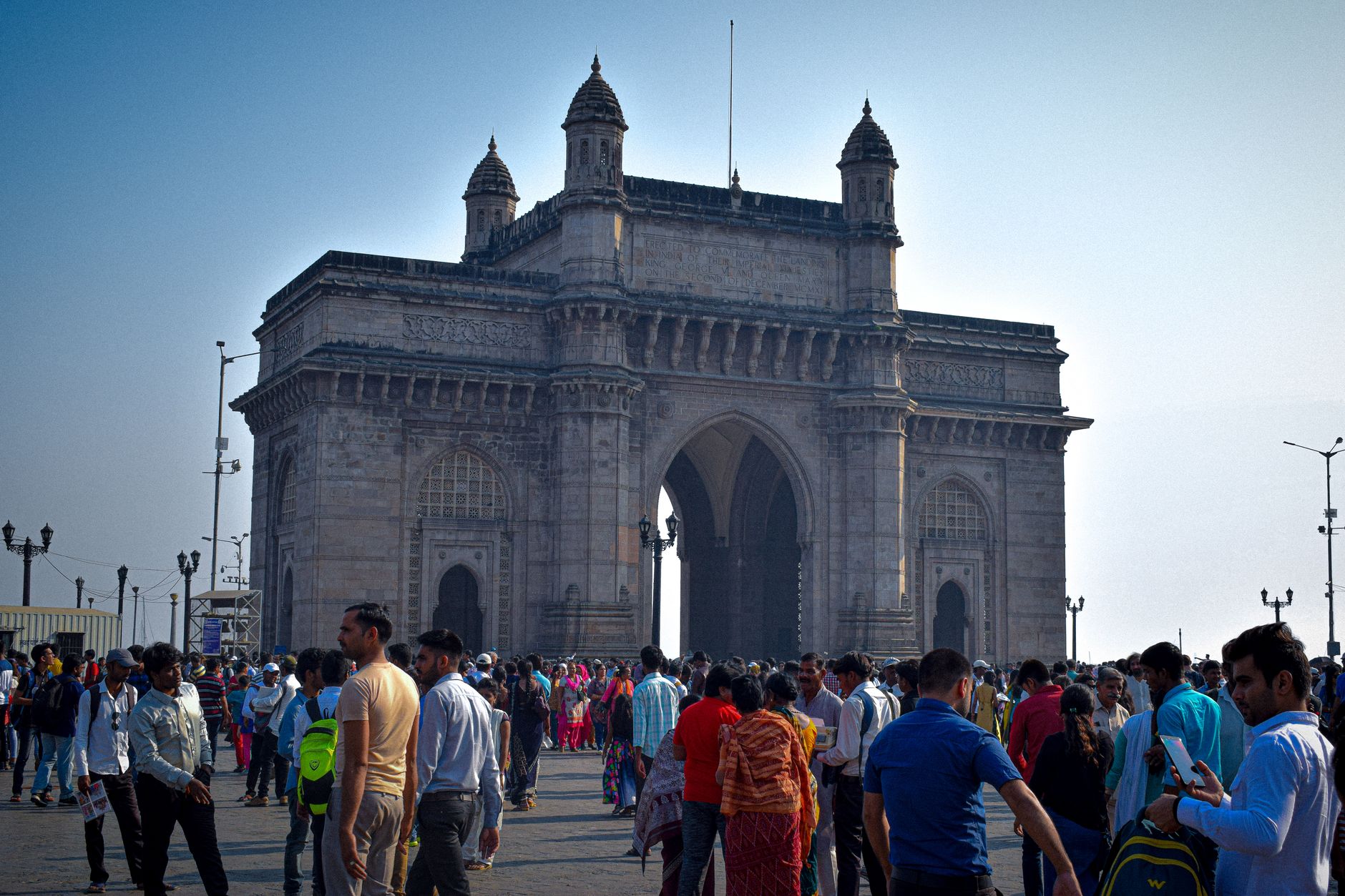
Traveling has a unique way of bringing both excitement and trepidation, particularly when it comes to navigating bustling transportation hubs and crowded destinations. Understanding whether a place is “packed” helps you plan better and enjoy your trip without the stress of overly crowded spaces. This guide explores how to assess crowd levels, manage your travel itinerary effectively, and make informed decisions on where to go for a more enjoyable experience.
Knowing when and where to travel during peak times can significantly impact your trip. This guide will cover various aspects of travel that influence crowd levels, including transportation, accommodation, attractions, and dining. With practical tips and resources, you’ll be better equipped to avoid the crowds and savor your travels.
What Does “Is It Packed” Mean?
The phrase “Is it packed” generally refers to the level of crowding at a given location at a specific time. This can apply to airports, hotels, restaurants, popular tourist sites, and even destinations in general. Knowing this information can either enhance your travel experience or lead you to explore less crowded alternatives.
Factors Influencing Crowds
Several factors contribute to whether a place will be packed. Understanding these can help you choose your travel dates and destinations wisely.
- Seasonality: Many destinations have peak seasons when crowds swell, such as summer holidays or winter holidays. Consider traveling during shoulder seasons, which are the periods just before or after peak times.
- Time of Day: Certain attractions experience high visitation during specific hours, like mid-mornings or early afternoons. Visiting early in the morning or later in the afternoon can help you avoid the bulk of visitors.
- Local Events: Festivals, conventions, and local events can attract significant crowds. Research local calendars to know what to expect.
- Weather Conditions: Adverse weather can deter visitors, making popular destinations less crowded during those times. Conversely, perfect weather can draw large crowds.
How to Research Crowd Levels
Before you head out, it’s wise to check crowd levels at your intended destinations. Here are several strategies to access the necessary information:
1. Online Resources
Several websites and apps specialize in crowd-sourced data or provide live updates for various spots:
- Google Popular Times: When you search for a venue on Google, you can often see its popular visiting times displayed in a chart. This feature shows the busiest times of day.
- Social Media: Check platforms like Instagram or Twitter. Many travelers post real-time updates related to crowds.
- Travel Forums: Websites like TripAdvisor and Lonely Planet forums can provide insights from fellow travelers about crowd levels at specific locations.
- Dedicated Crowd Apps: Apps like Crowdless or Eventbrite help find less-visited attractions or events.
2. Contacting Local Businesses
If you have specific locations in mind, consider contacting them directly. Staff can offer real-time information or advice to avoid peak hours.
3. Historical Data
Travel blogs and guides often provide insights into crowd trends over the years. Previous visitor reports may also offer clues about what to expect.
Getting to Your Destination
Once you’ve picked a destination, the mode of transportation you choose can also affect your crowd experience. Below are tips for various travel methods.
Air Travel
Airports can often be congested, especially during holidays and weekends. To mitigate this:
- Arrive Early: Arriving two to three hours before your flight can help you navigate through security and check-in without undue stress.
- Midday Flights: Consider booking flights during off-peak hours, typically mid-afternoon for fewer travelers.
- Sign Up for Alerts: Many airlines send alerts about crowded flights; keep an eye on your email or app notifications.
Train and Bus Travel
Train stations and bus terminals can also be bustling hubs. Keep these tips in mind:
- Non-Peak Travel: If possible, travel outside rush hours. Mornings and late afternoons can be particularly congested.
- Book Ahead: Use online booking systems to secure your tickets in advance. Some train and bus companies may offer priority seating or boarding options for earlier purchases.
- Check Real-Time Updates: Many transit apps offer live updates on departures and arrivals, helping you gauge crowd levels before arrival.
Accommodation Considerations
Your choice of accommodation can significantly impact your experience regarding crowd levels. Here are some critical points to consider:
1. Location Matters
Consider staying at properties slightly off the beaten path. While they may require more travel to reach major attractions, they often provide a quieter environment:
- Smaller Boutique Hotels: Often found outside of tourist hotspots, these can provide a more intimate experience and fewer guests.
- Vacation Rentals: Options through platforms like Airbnb can allow for more localized stays away from tourist crowds.
2. Booking Timing
Book accommodations well in advance during peak seasons to secure the best rates and locations. Conversely, last-minute bookings can be advantageous during off-peak times.
3. Read Reviews
Utilizing platforms like TripAdvisor or Yelp can give a good indication of how busy hotels or rentals might get based on past visitor experiences.
Attractions and Things to Do
Choosing when and where to explore specific attractions can help you avoid crowds. Consider these guidelines:
1. Timing Your Visits
Many attractions have targeted hours or days when crowds are significantly smaller. Here are some tips:
- Visit on Weekdays: Most attractions are less crowded during weekdays, especially Tuesday and Wednesday.
- Off-Season Attractions: Explore attractions during the shoulder season when fewer tourists are present.
- Reservations: For popular attractions, book tickets in advance when possible. This helps to bypass long entry lines.
2. Leisurely Routes
Take the time to plan a leisurely route through an attraction, allowing for quieter moments. Early or late visits to parks can grant you more solitude to enjoy the scenery.
3. Explore Lesser-Known Attractions
If you’re concerned about crowds, consider visiting less popular attractions. These can be just as rewarding without the hustle and bustle.
Dining in Crowded Areas
1. Research Popular Dining Options
Use platforms like Yelp or OpenTable to find the busiest restaurants and possible wait times. Alternatively, search for restaurants less frequented by tourists.
2. Make Reservations
For popular dining spots, it’s wise to make reservations whenever possible. Many restaurants allow for bookings weeks in advance.
3. Consider Off-Hours Dining
Eating during off-peak hours (such as late lunch or early dinner) can be an effective way to avoid long waits and crowded environments.
What to Do If You Encounter Crowds
Sometimes, despite your best efforts, you may face crowded situations. Here are some tips to navigate those moments:
- Stay Calm: Acceptance that crowds happen, especially in tourist areas, can help you maintain your composure.
- Plan Backup Activities: If an attraction is unwieldy, have alternative options ready to explore nearby areas or hidden gems.
- Take Breaks: Find quieter spaces, like parks or cafes, where you can recharge away from the hustle.
Suggested Length of Stay
The optimal length of stay at a destination can fluctuate depending on crowd levels and what you wish to do. Generally, consider the following:
- Shorter Trips (3-4 days): Ideal for cities or areas with a few major attractions.
- Moderate Trips (5-7 days): Good for locations with diverse activities like beaches, cities, or national parks.
- Longer Stays (8+ days): Best suited for larger regions where travel time is required to see various sites.
Budgeting for Crowded Places
When planning your budget, consider potential extra expenses that come with crowding in popular areas:
- Accommodation Costs: Expect higher prices during peak seasons; booking in advance can save money.
- Attraction Fees: Some busy attractions may have premium fees for fast-track admission, which can save time but increase costs.
- Transportation Costs: Remember that during peak times, rideshare services may charge surge pricing.
Accessibility and Family Considerations
Traveling can present specific challenges for families and those with mobility concerns. Keep these in mind:
1. Assess Accessibility
Before your trip, check accessibility options at public places like hotels, restaurants, public transport, and attractions. Most websites will provide this information, but confirming directly can be helpful.
2. Family-Friendly Options
Plan kid-friendly activities and attractions to balance the interests of all family members. Look for locations that may have fewer crowds but are equipped to entertain children.
3. Safety in Crowded Areas
When in crowded spaces, especially with children, ensure everyone knows meeting points and has a form of identification. Practice situational awareness and stay vigilant.
Conclusion
Understanding crowd levels can significantly enhance the travel experience. By utilizing available resources, strategically planning your itinerary, and keeping an open mind towards alternative activities, you can navigate busy areas with ease. Planning ahead ultimately allows for a more enjoyable and fulfilling journey, regardless of how packed a destination may get.
Explore related destination guides and travel-planning articles. Discover tips on flying safety, such as in Is It Safe to Fly Right Now?, or learn about assigned seating with Does Southwest Have Assigned Seats?.