
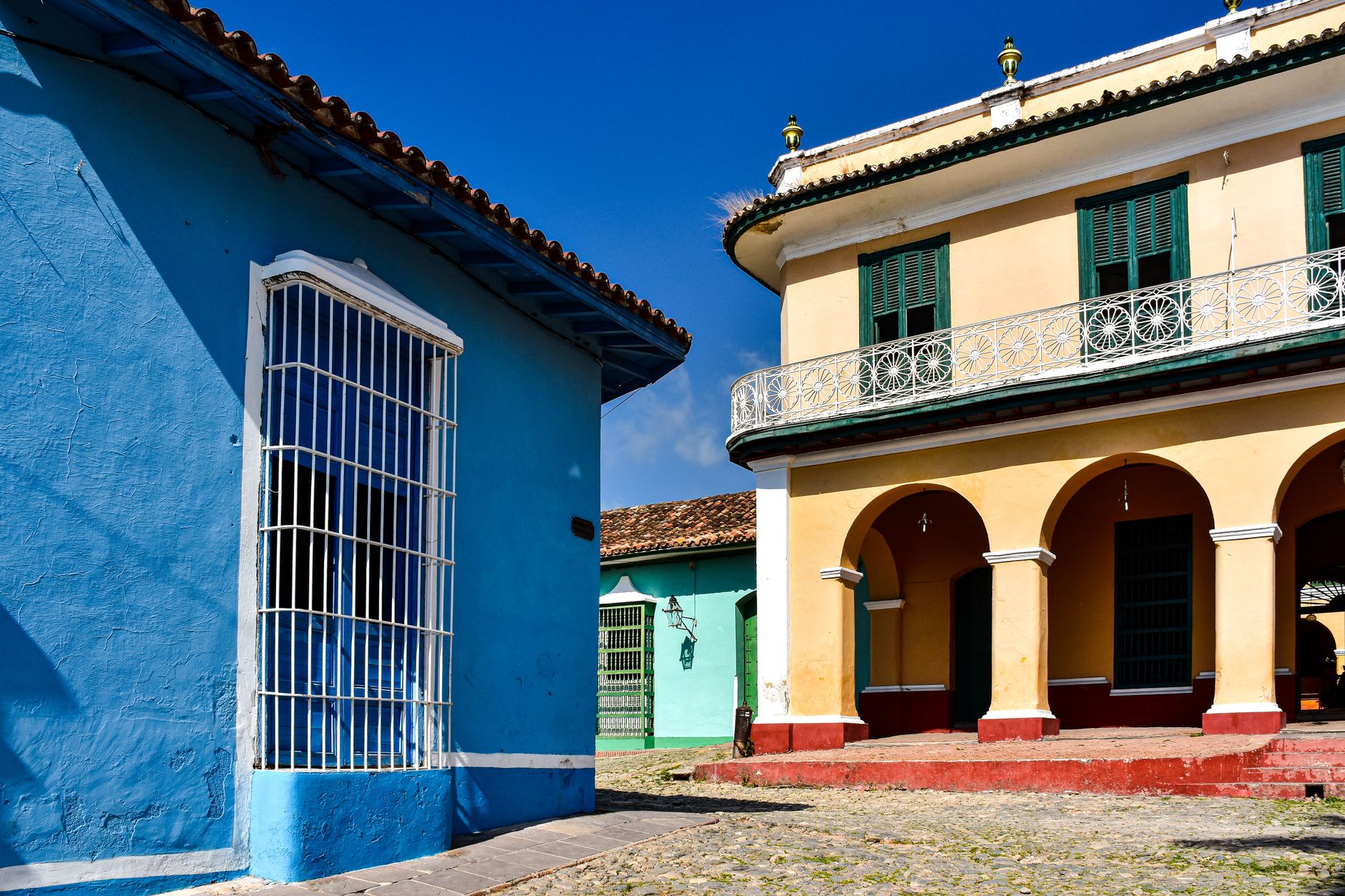
Traveling to Cuba can be a unique and enriching experience, but many Americans wonder if they can make the trip given the country’s complex relationship with the United States. This guide will answer that question while providing essential travel information for an enjoyable visit to this vibrant Caribbean island.
From its rich cultural history to stunning landscapes and welcoming locals, Cuba is an increasingly popular destination for American travelers. However, it’s crucial to understand the travel rules, necessary documentation, and what to expect once you arrive.
Can Americans Travel To Cuba?
Yes, Americans can travel to Cuba, but they must do so under specific guidelines established by the U.S. government. Travelers should be familiar with these rules to ensure they comply and have a smooth trip.
Understanding the Travel Requirements
The U.S. government has imposed restrictions on travel to Cuba for decades, but significant changes have made it more accessible in recent years. Here’s what you need to know:
Categories of Travel
Travelers must choose one of the authorized categories set by the U.S. Department of Treasury. These categories include:
- Family visits
- Official government business
- Journalism
- Professional research or meetings
- Educational activities
- Religious activities
- Public performances or exhibitions
- Support for the Cuban people
- Humanitarian projects
Of these, many travelers find “Support for the Cuban People” or “Educational activities” to be the most flexible options.
Documentation and Licenses
Travelers must ensure they have the proper documentation. This includes a valid passport, a visa (which is usually a tourist card), and proof of insurance that covers medical expenses while in Cuba. Many U.S. airlines and travel agencies can assist in securing the necessary tourist card.
Health and Insurance Requirements
All travelers are now required to have travel insurance that includes coverage for medical care. Recent events surrounding health and safety mean having this coverage is vital. Verify with your insurance provider that you’re covered for any potential issues.
Getting to Cuba
Many U.S. airlines now operate flights to various Cuban cities, mostly to Havana, the capital. Here are some key considerations for booking your trip:
Airlines and Flights
- American Airlines
- Southwest Airlines
- JetBlue
- United Airlines
Direct flights are available several times a week, offering convenient options for departure from major U.S. cities.
Traveling from the Airport
José Martí International Airport in Havana is the main entry point. Upon arrival, consider pre-arranging transportation or using the regulated taxi services available outside the terminal. Ensure you confirm the fare before departing.
Getting Around Cuba
Once you arrive, navigating Cuba can vary from city to city. Here’s a look at transportation options:
Public Transportation
Cuba’s public transportation system is extensive but can be crowded and may require patience. Options include:\n
- \n
- Buses: Viazul and ASTRO services cater mainly to tourists and connect major cities.
- Colectivos: Shared taxis or minivans that run along set routes and charge a flat rate.
\n
\n
Renting a Car
While renting a car offers flexibility, roads may be poorly maintained, and signage can be lacking. Always reserve a rental car ahead of time, as availability can be limited.
Taxis and Bicycles
Taxis are widely available, especially in urban areas. Bicycles can be rented in many cities, providing another way to explore at your own pace.
Where to Stay in Cuba
Cuba offers a range of accommodations, from luxury hotels to local casas particulares (private homestays). Here are some options based on different preferences:
Hotels
- Luxury: Hotel Nacional de Cuba in Havana and Iberostar Parque Central
- Mid-range: Hotel Inglaterra, located near the Gran Teatro
- Budget: Hostal Casa del Parque, simple and affordable option
Casas Particulares
Staying in a casa particular provides insight into everyday Cuban life. It’s also a great way to support local families and find personalized recommendations for activities.
Hostels
For budget travelers or those seeking social interactions, hostels can be found in Havana and other larger cities, offering dormitory-style accommodations.
Best Places to Visit in Cuba
When visiting Cuba, there are certain highlights you won’t want to miss. Here’s a mix of cultural experiences and natural wonders:
Havana
The capital city is rich in history and culture. Don’t miss:
- Old Havana, a UNESCO World Heritage site
- The Malecón, a picturesque seaside promenade
- The vibrant Callejón de Hamel, known for street art and Afro-Cuban culture
Viñales
About two hours from Havana, Viñales is known for its stunning tobacco fields, limestone cliffs, and outdoor activities. Popular activities include:
- Guided tours of tobacco farms
- Hiking and horseback riding in the Viñales Valley
Trinidad
This colonial city is often described as one of Cuba’s jewels. Its cobblestone streets, preserved architecture, and lively plazas make it worth visiting. Key attractions include:
- Plaza Mayor and the Museo Romántico
- Cascades of El Cubano National Park nearby for outdoor adventures
Santiago de Cuba
The second-largest city offers a different vibe, with a unique blend of Afro-Cuban and Spanish influences. Key sights include:
- Fortaleza de San Francisco de Asia
- Parque de Céspedes, a central gathering place for locals
What to Eat and Drink in Cuba
Cuban cuisine is a delightful fusion of Spanish, African, and Caribbean influences. Here’s what to look for:
Traditional Dishes
- Ropa Vieja: Shredded beef in a tomato-based sauce, served with rice
- Congrí: A staple dish of rice and black beans cooked together
- Yuca con Mojo: Cassava root served with a garlic sauce
Restaurants to Try
In Havana, restaurants range from paladars (private restaurants) to larger establishments. Here are a few to consider:
- La Guarida: Set in a historic mansion, known for its atmosphere and cuisine
- San Cristóbal: Offers a blend of Cuban and international dishes, frequented by celebrities
- El Cocinero: Popular for its ambiance and rooftop bar
Street Food
Don’t overlook Cuba’s vibrant street food scene. Try:
- Hot dogs (perros calientes) and burgers sold from food carts
- Fried plantains and churros
Local Drinks
Sample Cuba’s famous drinks such as:
- Mojitos: A refreshing cocktail of rum, mint, and lime
- Daiquiris: Another rum-based cocktail, often served frozen
- Cuban coffee: Renowned for its strong flavor, served in small cups
Budget Considerations for Traveling to Cuba
Cuba can be a budget-friendly destination; however, planning is essential. Here’s a breakdown of costs you might incur:
Currency Exchange
Cuba operates on two currencies: the Cuban Peso (CUP) and the Cuban Convertible Peso (CUC). Be sure to exchange your money in advance at designated locations, as U.S. credit and debit cards often do not work in Cuba.
Estimated Daily Budget
| Budget Category | Estimated Cost per Day |
|---|---|
| Accommodation (Budget) | $15 – $35 |
| Food | $10 – $30 |
| Transportation | $5 – $15 |
| Activities | $5 – $20 |
Overall, a daily budget of $35 to $100 can provide a comfortable travel experience, depending on your accommodation and dining preferences.
Safety and Accessibility Considerations
Cuba is generally safe for tourists; however, understanding local customs and staying aware of your surroundings is essential.
Safety Tips
- Keep your belongings secure and avoid flashiness.
- Stick to well-lit areas at night.
- Follow local laws and respect customs, especially regarding photography.
Accessibility
Many areas in Cuba may not be fully accessible for those with mobility issues. While larger cities have some wheelchair-accessible options, visitors should research accommodations in advance and be prepared for uneven ground in historical areas.
Best Time to Visit Cuba
Cuba is a year-round destination, but the ideal time to visit is between November and April. During these months, the weather is cooler and drier. Here’s a quick overview of what to expect:
Weather Breakdown
- Winter (December – February): Mild temperatures, peak tourist season with higher prices.
- Spring (March – May): Pleasant weather, fewer crowds.
- Summer (June – August): Hot and humid; be prepared for occasional rain.
- Fall (September – November): Warm weather with potential hurricanes, cheaper accommodations.
Suggested Length of Stay
A week to ten days is generally recommended to experience Cuba’s highlights. This timeframe allows for comprehensive exploration without feeling rushed.
Essential Packing List
Preparing for your trip involves more than just booking flights and accommodations. Consider packing the following essentials:
- Comfortable walking shoes for exploring cities
- Lightweight clothing suitable for warm weather
- Sun protection: hats, sunscreen, and sunglasses
- Personal medications and a basic first-aid kit
- A power adapter for electronics
- Cash in small denominations, as credit cards may not work
Final Thoughts
Traveling to Cuba is entirely possible for Americans, provided they adhere to U.S. regulations and prepare adequately. While navigating the rules and planning your trip may seem complex, the rich culture, history, and beauty of Cuba make it a rewarding experience. Be sure to remain informed and flexible, and you will undoubtedly find joy in the rhythm of Cuba.
For further travel tips and inspiration, explore related destination guides and articles on A Savvy Tourist or check out insights on whether Southwest has assigned seats.