
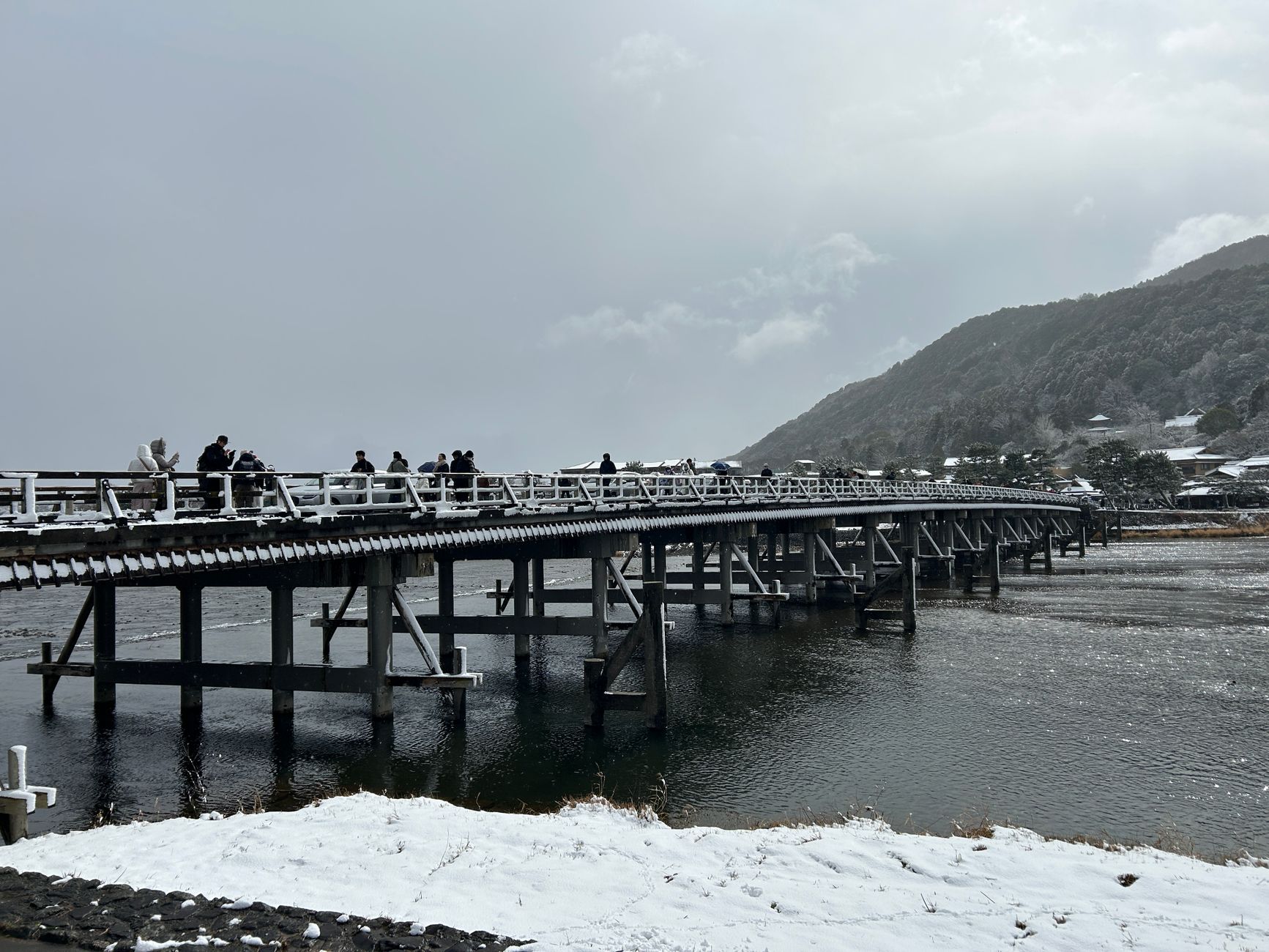
Japan is known for its diverse landscapes and seasonal wonders, including snow-covered mountains, serene temples blanketed in white, and vibrant winter festivals. Many travelers wonder, “Does it snow in Japan?” The answer is a resounding yes, with some regions experiencing significant snowfall during the winter months.
Winter in Japan brings a unique charm, from picturesque villages to thrilling outdoor activities. This article will guide you through the snowfall patterns across Japan, perfect travel destinations for snow lovers, and valuable tips for planning your winter trip.
Does It Snow In Japan?
Yes, it does snow in Japan, particularly in the northern regions and mountainous areas. The country experiences winter from December to February, with varying snowfall amounts depending on the region. Some areas, like Hokkaido and the Japanese Alps, are famous for their heavy snowfalls, making them popular destinations for skiing and snowboarding.
Where Does It Snow in Japan?
While snow can be found in various parts of Japan, certain regions are renowned for their winter wonderlands. Here are the main areas where you can expect snowfall:
1. Hokkaido
Hokkaido, the northernmost island of Japan, is famous for its heavy snowfall. The town of Niseko is particularly popular for skiing and snowboarding enthusiasts, attracting tourists from around the world. With a ski resort renowned for its powder snow, it offers excellent slopes for both beginners and advanced skiers.
2. The Japanese Alps
The Japanese Alps, located in the central part of Honshu, experience significant snowfall. Popular destinations include Hakuba Valley and Takayama. The area boasts a mix of traditional Japanese culture and modern ski facilities, providing a unique experience for visitors.
3. Niigata Prefecture
Niigata Prefecture, particularly the town of Naeba, is another great spot for snow lovers. Home to the Naeba Ski Resort, this area is famous for its impressive ski terrain and beautiful scenery. The region is also known for its multitude of hot springs, allowing visitors to relax after a day on the slopes.
4. Akita Prefecture
Situated on the western coast of Honshu, Akita experiences heavy snowfall during the winter months. The area is home to historical sites, such as the Kakunodate samurai town, where you can enjoy traditional architecture and culture against a snowy backdrop.
Winter Festivals in Japan
Winter in Japan is not just about snow; it’s also a time for vibrant festivals celebrating the season. Here’s a look at some notable winter festivals that you should consider adding to your itinerary:
1. Sapporo Snow Festival
One of Japan’s most famous winter festivals, the Sapporo Snow Festival, is held in early February. Visitors can admire stunning snow and ice sculptures, while enjoying various food stalls and festivities. The event takes place in Sapporo, the capital of Hokkaido, and attracts millions of visitors each year.
2. Otaru Snow Light Path Festival
Taking place in the charming city of Otaru, this festival usually occurs in February. Visitors can experience ancient lanterns and ice sculptures illuminating the streets, creating a magical atmosphere. This festival highlights the beauty of winter while celebrating the local culture.
3. Yokote Kamakura Festival
Held in Yokote, Akita Prefecture, the Kamakura Festival features igloo-like structures filled with candles. This heartwarming event takes place in mid-February and invites visitors to enjoy warm sake and rice cakes offered by local children inside the kamakura. It allows attendees to experience traditional Japanese winter customs.
Best Time to Visit Japan for Snow
The prime time to visit Japan for snow is from late December to early March. Most ski resorts and winter activities are in full swing during this period, particularly in January and February when snowfall is typically at its peak. However, hitting the slopes in December is also an option, as many resorts open their gates during this month. Here’s a breakdown of the winter months:
- December: Early in the month, snowfall can be less predictable, but ski resorts start to open. By late December, snow conditions improve, and holiday decorations create a festive atmosphere.
- January: This is often the best month for snow, with consistent and plentiful snowfall across various regions. Popular ski resorts are bustling, and winter festivals commence.
- February: This month is still excellent for snow, with major winter festivals and events taking place. Crowds can be significant during the Sapporo Snow Festival, so it’s wise to plan accordingly.
- March: As winter comes to an end, temperatures start to rise, and snow becomes less reliable. However, early March can still provide great skiing, especially in higher elevations.
Getting Around During Winter in Japan
Japan has an efficient public transportation system, making it relatively easy to travel during the winter months. Here are a few key tips for navigating the snowy regions:
1. Transportation Options
Traveling by train is often the most convenient option, particularly through Japan Rail (JR) services. The shinkansen (bullet train) can take you to many of the main ski areas efficiently. Consider purchasing a Japan Rail Pass for unlimited travel on JR lines.
2. Buses to Ski Resorts
Many ski resorts are well-serviced by direct bus routes from major cities. For instance, from Tokyo to Hakuba or from Sapporo to Niseko, several bus companies operate daily schedules. Be sure to check the timetables ahead of time, especially during peak seasons.
3. Renting a Car
If you prefer flexibility, consider renting a car. This option allows you to explore different resorts and nearby attractions at your own pace. However, keep in mind that driving in snowy conditions requires caution and familiarity with winter driving techniques.
Accommodation Options for Winter Trips
When traveling to Japan in winter, accommodation choices range from luxury hotels to traditional ryokan (inns). Here’s a look at the types of lodging available:
1. Ski Resorts
Many ski resorts offer on-site accommodations, ranging from high-end hotels to cozy lodges. Staying at a resort means convenient access to slopes and amenities, making it an excellent choice for ski enthusiasts.
2. Ryokan
Experiencing a ryokan can enhance your visit to Japan’s winter landscape. These traditional inns often feature tatami-matted rooms and onsens (hot springs), providing authentic hospitality and local cuisine. Popular areas with ryokan include Hakone and the Japanese Alps.
3. Urban Hotels
If you’re interested in exploring both winter activities and city sights, consider staying in cities like Sapporo or Nagano. Urban hotels can offer more diverse dining and entertainment options while still being close to ski resorts.
Planning Your Winter Activities
Japan’s winters offer a plethora of activities beyond skiing and snowboarding. Here are some activities you shouldn’t miss:
1. Snowshoeing and Winter Hiking
For those seeking a quieter experience in nature, snowshoeing or winter hiking can be incredible. Many parks and trails become accessible, showcasing stunning winter scenery.
2. Visiting Local Onsens
Relaxing in a hot spring surrounded by snow-covered landscapes is a unique Japanese experience. Many onsens are found in mountainous areas, providing both relaxation and breathtaking views.
3. Winter Photography
The picturesque winter landscapes offer fantastic opportunities for photography. Areas like Shirakawa-go, known for its traditional gassho-zukuri farmhouses, are especially stunning during snowfall.
What to Pack for Winter in Japan
When packing for a winter trip to Japan, it’s essential to be prepared for the cold and snowy conditions. Here’s a packing list to help you out:
- Warm Clothing: Layering is key. Bring thermal base layers, sweaters, and a waterproof winter jacket.
- Winter Accessories: Don’t forget gloves, hats, scarves, and warm socks to keep extremities cozy.
- Footwear: Waterproof and insulated boots are essential for navigating snowy conditions.
- Swimwear: If you plan to visit onsens, pack a bathing suit for hot spring experiences.
- Camera: Capture your winter adventure with a good quality camera or smartphone.
Budget Considerations for a Winter Trip to Japan
Japan can cater to various budgets, but winter trips can exhibit some unique expenses. Here are a few cost considerations:
1. Ski Passes and Rentals
Ski resorts generally offer daily passes that vary in price based on the season and resort size. If you plan to ski or snowboard, consider renting equipment onsite or at local shops for convenience.
2. Transportation Costs
Catching public transport or buses can be economical, but be sure to factor in the cost of the Japan Rail Pass if traveling between regions. Rental cars can add to your budget, too, so weigh options based on your itinerary.
3. Accommodation Rates
Winter is a peak season for many ski resorts, which can lead to higher accommodation rates. Booking in advance can help secure better deals. Look into package deals that include lift tickets and lodging for potential savings.
Safety Tips for Winter Travel in Japan
Traveling in winter requires some precautionary measures, especially in snowy areas. Here are practical safety tips:
1. Snow and Ice Awareness
Be cautious of icy conditions and packed snow, particularly on sidewalks and during your outdoor activities. Wear appropriate footwear and be mindful of slippery surfaces.
2. Cold Weather Preparedness
Dress in layers to combat the cold and stay dry. Knowing the symptoms of hypothermia and frostbite can help you take immediate action if feeling unusually cold.
3. Check Weather Conditions
Stay updated on weather forecasts, as conditions can change rapidly in mountain areas. This information is vital for planning outdoor activities and travel routes.
Conclusion
Japan’s snowy landscapes offer a magical experience for travelers seeking adventure in winter. With its array of skiing locations, captivating festivals, and welcoming traditions, you’re bound to create unforgettable memories. Take time to plan your itinerary, pack appropriately, and keep safety in mind to make the most of your winter trip to Japan.
For more travel inspiration, explore our destination guides and planning articles at A Savvy Tourist or discover exciting activities in Victoria, BC.