
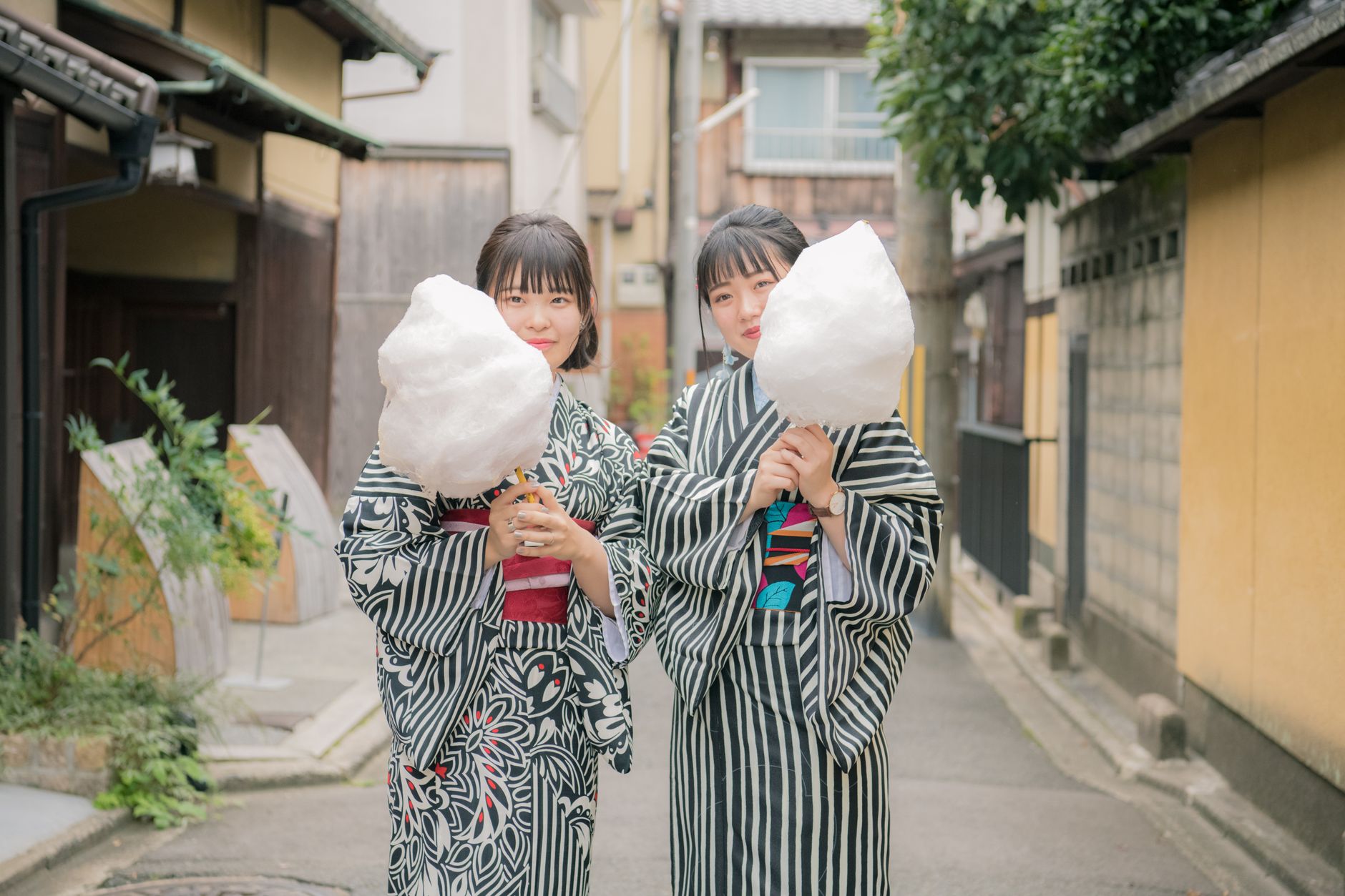
Japan is a captivating destination that perfectly blends traditional and contemporary cultures, making it a unique travel experience. From ancient temples and serene tea gardens to neon-lit urban landscapes and cutting-edge technology, Japan offers something for every type of traveler.
This article explores what Japan is known for, including its cultural practices, stunning landscapes, exquisite cuisine, and remarkable hospitality. Whether you are planning a solo trip, a family vacation, or a cultural exploration, this guide aims to provide you with valuable insights into what awaits you in Japan.
What Is Japan Known For?
Japan is known for its rich history, diverse culture, culinary masterpieces, breathtaking landscapes, and advanced technology. This unique blend creates a travel experience that is both enriching and unforgettable.
Cultural Heritage and Traditions
Japan’s cultural heritage attracts millions of visitors each year. Its traditions reflect the country’s profound respect for history and art.
Temples and Shrines
Throughout Japan, you will find thousands of ancient temples and shrines, each with unique architectural styles and historical significance. Some notable sites include:
- Fushimi Inari Taisha: Located in Kyoto, this iconic shrine is famous for its thousands of red torii gates that wind up Mount Inari.
- Meiji Shrine: Nestled in a forested area in Tokyo, it honors Emperor Meiji and Empress Shoken.
- Senso-ji Temple: Tokyo’s oldest temple, located in Asakusa, is known for its vibrant market street leading to the temple gates.
Traditional Arts
The arts in Japan—from tea ceremonies to calligraphy—are deeply infused with cultural significance. Some key traditional arts include:
- Tea Ceremony: A choreographed art form centered on the ceremonial preparation of matcha (powdered green tea).
- Ikebana: The art of flower arrangement, emphasizing harmony, balance, and simplicity.
- Ceramics: Renowned for distinctive styles like Arita and Bizen, Japanese pottery showcases craftsmanship and artistry.
Festivals and Celebrations
Japan hosts numerous festivals (matsuri) throughout the year, showcasing traditional music, dance, and food. Noteworthy festivals include:
- Gion Matsuri: Held in Kyoto every July, this festival is famous for its grand floats and traditional attire.
- Sapporo Snow Festival: An annual event in Hokkaido where incredible ice sculptures are displayed and admired.
- Tanabata: A star festival celebrated in July, where wishes written on colorful strips of paper are hung on bamboo branches.
Culinary Excellence
No visit to Japan is complete without indulging in its culinary delights. Japanese cuisine is known for its emphasis on fresh, seasonal ingredients, presentation, and umami flavor.
Iconic Dishes
Some dishes you must try while in Japan include:
- Sushi: A world-famous dish that comes in various forms, including nigiri, sashimi, and rolls.
- Ramen: A comforting bowl of noodles served in a savory broth, topped with ingredients like chashu (braised pork), green onions, and nori.
- Tempura: Battered and deep-fried seafood and vegetables offering a crispy texture and delightful flavor.
Street Food
Experience the vibrant street food scene in Japan, which is renowned for its variety and flavor. Popular street foods include:
- Takoyaki: Octopus balls made from batter, cooked in special molds and served with sauce and toppings.
- Okonomiyaki: A savory pancake filled with ingredients such as cabbage, meat, and topped with special sauce and mayonnaise.
- Yakisoba: Stir-fried noodles often served at festivals, flavored with a tangy sauce and topped with pickled ginger.
Natural Beauty
Japan’s diverse landscapes range from serene mountains and lush forests to beautiful coastlines and tranquil gardens.
Nature and Scenic Spots
When exploring Japan, here are some natural wonders you should not miss:
- Mount Fuji: This iconic volcano is a UNESCO World Heritage site and is best admired from locations such as Hakone and the Fuji Five Lakes area.
- Arashiyama Bamboo Grove: Located in Kyoto, this enchanting bamboo forest provides a serene experience, especially in the early morning.
- Shirakawa-go: Famous for its traditional gassho-zukuri farmhouses, this UNESCO site is nestled in the mountains of Gifu Prefecture.
National Parks
Japan’s national parks are home to diverse ecosystems and wildlife, making them great destinations for outdoor enthusiasts.
- Nikko National Park: Known for its beautiful landscapes, waterfalls, and ornate temples.
- Shiretoko National Park: Located in Hokkaido, this park is recognized for its raw nature and wildlife, including brown bears and rare birds.
- Chūbu-Sangaku National Park: Home to the Japanese Alps, offering spectacular mountain views and hiking trails.
Modern Marvels
Japan’s technological advancements and modern architecture contrast beautifully with its traditional culture.
Cities to Explore
Dynamic urban experiences await in Japan’s major cities:
- Tokyo: A bustling metropolis known for its skyscrapers, shopping districts, and cultural landmarks such as the Tokyo Tower and Shibuya Crossing.
- Osaka: Famous for its vibrant food scene, Universal Studios Japan, and Osaka Castle.
- Kyoto: Renowned for its historical significance, traditional tea houses, and magnificent temples.
Technology and Innovation
Japan is a leader in technology and innovation, evident in various domains:
- Transportation: The Shinkansen (bullet train) offers speedy and efficient travel across the country.
- Robots: Japan is at the forefront of robotics technology, featuring robots in everyday life, including at hotels and restaurants.
- Smart Cities: Cities like Fujisawa have developed innovative smart town projects focused on sustainability and technology integration.
The Art of Hospitality
Japan is known for its exceptional hospitality, or “omotenashi,” where hosts strive to offer unparalleled service and comfort.
Accommodation Options
Travelers can choose from a range of accommodations, providing unique experiences:
- Ryokan: Traditional inns that offer tatami-matted rooms, futon bedding, and kaiseki dining experiences.
- Capsule Hotels: Compact accommodations designed for solo travelers, ideal for short stays at budget-friendly prices.
- Modern Hotels: From luxury hotels to boutique options, you can easily find amenities that suit your style.
Dining Etiquette
Understanding dining etiquette can enhance your culinary experience in Japan:
- Practice bowing slightly when greeting restaurant staff.
- Don’t stick chopsticks upright in rice, as it resembles a funeral ritual.
- It is polite to say “itadakimasu” before eating as a way of expressing gratitude.
Transportation Guide
Getting around Japan is convenient, thanks to its efficient transportation network. Here are some key points to consider:
Public Transport
The extensive public transportation network allows easy access to cities and attractions:
- Trains: The JR (Japan Rail) system offers reliable trains, including the Shinkansen and local lines. A Japan Rail Pass can be cost-effective for long-distance travel.
- Subways: Major cities like Tokyo and Osaka have well-organized subway systems, making travel within the city straightforward.
- Buses: Buses connect areas that may not be covered by trains, and are useful for reaching rural destinations.
Transport Passes
Consider purchasing transport passes to save money and simplify travel:
- Japan Rail Pass: Ideal for unlimited travel on JR trains for a specific duration.
- City Passes: Many cities offer day passes for unlimited travel on local transport.
- IC Cards: Cards like Suica or Pasmo can be used on multiple transport systems and also for shopping at convenience stores.
When to Visit Japan
Choosing the best time to visit Japan can influence your travel experience significantly. Here are some seasonal highlights:
Spring (March to May)
Spring is known for cherry blossoms (sakura), creating picturesque settings throughout the country. The weather is mild, making it an ideal time for outdoor exploration.
Summer (June to August)
Summer temperatures can rise, but it’s also festival season, with events like Gion Matsuri in Kyoto. Coastal areas offer beaches and watersports.
Autumn (September to November)
Autumn showcases vibrant foliage, particularly in places like Kyoto and Nikko. The pleasant weather makes it a popular season for travel.
Winter (December to February)
Winter is best for experiencing snow-coated landscapes and winter sports, particularly in regions like Hokkaido. The holiday season brings magical illuminations in major cities.
Budget Considerations
Accommodation Costs
Accommodation costs can vary widely depending on the type and location:
- Luxury Hotels: Rates can start from 25,000 JPY per night.
- Mid-Range Hotels: Expect to pay between 10,000 to 15,000 JPY.
- Budget Options: Guesthouses and capsule hotels typically cost around 3,000 to 6,000 JPY.
Food and Drink
Dining costs also vary. Consider the following:
- Street Food: Often costs around 300 to 800 JPY per item.
- Casual Restaurants: Meals can cost between 1,000 to 2,500 JPY.
- Fine Dining: Expect prices to rise significantly, starting at 5,000 JPY and up.
Transportation
Public transport is generally affordable. A typical subway ride costs around 200 to 400 JPY. Long-distance train travel can be more expensive but is efficient.
Safety and Accessibility
Japan is known for being one of the safest countries for travelers, with low crime rates and excellent public services.
Safety Measures
While traveling, consider the following tips for safety:
- Stay aware of your surroundings, especially in crowded areas.
- Keep important documents secure, but accessible when needed.
- In case of emergencies, familiarize yourself with emergency contact numbers and procedures.
Accessibility
Japan is increasingly making efforts to accommodate travelers with disabilities:
- Many public transport systems have elevators, ramps, and accessible restrooms.
- Some attractions are equipped with accessibility features. It’s wise to check in advance.
Suggested Length of Stay
Depending on your interests, a stay of at least 7 to 10 days can allow you to explore key cities and attractions comfortably. An ideal itinerary might include:
- 3 days in Tokyo
- 2 days in Kyoto
- 1 day in Osaka
- 1 day in Hiroshima
- 1 day for day trips, such as to Mount Fuji or Nara
This suggested length allows for a balanced mix of urban exploration and relaxation while immersing yourself in Japan’s vibrant culture.
Japan is a country that stimulates the senses, leaves lasting memories, and offers countless adventures. With a rich blend of tradition and modernity, it provides experiences that cater to every traveler, be it a foodie, history buff, or nature lover. Explore the interconnectedness of every element—cuisine, culture, landscapes, and hospitality—and immerse yourself in all that Japan has to offer.
If you’re planning a trip, start by determining your travel dates, research accommodation options based on your budget, and dive into learning about the cultural practices that will enhance your experience. Remember to savor every moment—Japan’s charm lies in both its vibrant cities and tranquil rural settings.
For further inspiration, explore related destination guides and travel-planning articles such as Things to Do in Warsaw, Poland and Things to Do in St. Petersburg, Russia.