
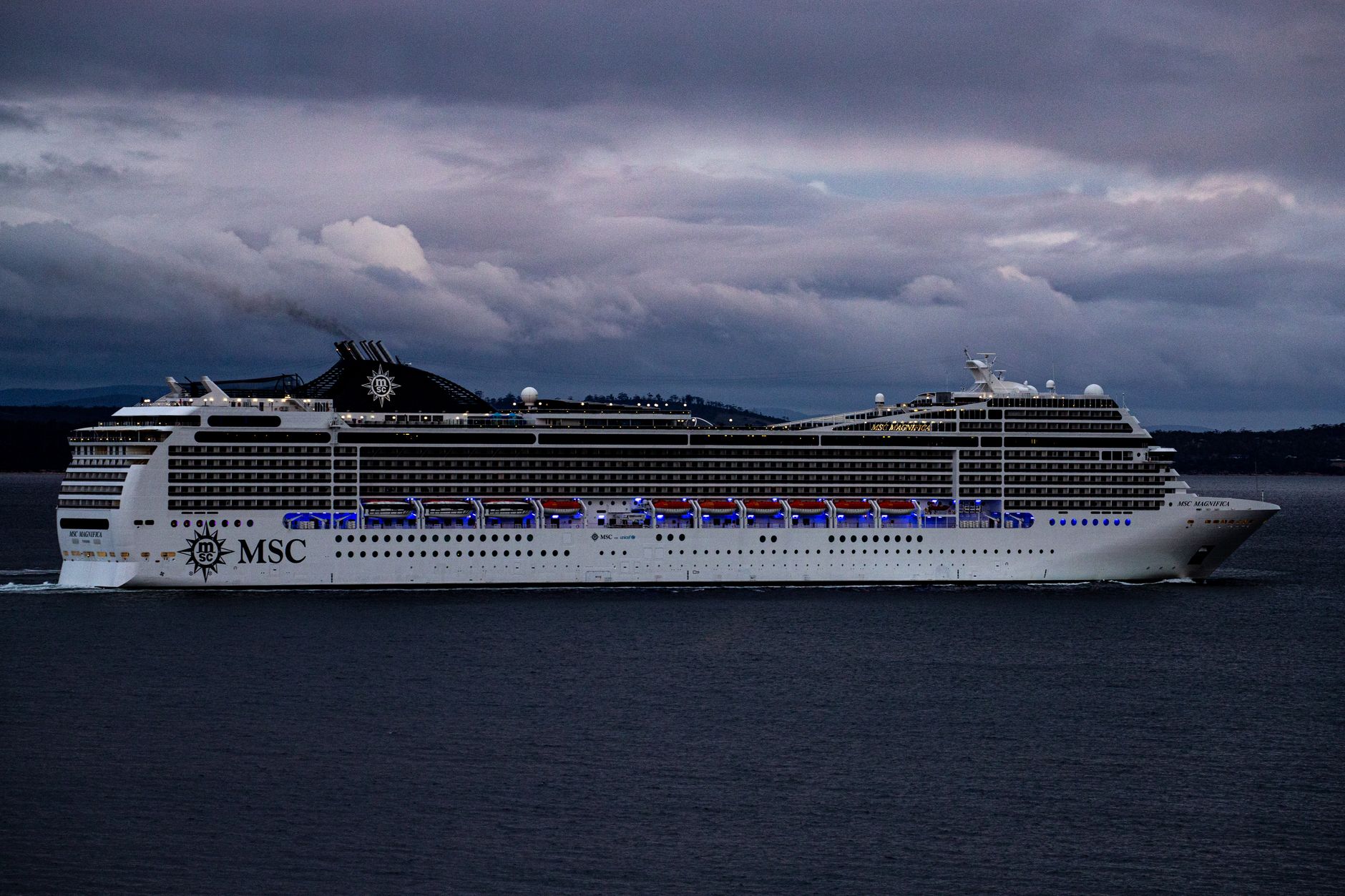
Cruise ships are opulent floating resorts that whisk travelers across vast oceans and tranquil seas. With the backdrop of picturesque destinations, many curious minds wonder how fast these colossal vessels move over water. Understanding cruise ship speeds can provide insight into planning an itinerary, scheduling shore excursions, or simply satisfying your curiosity.
This article explores the different speeds of cruise ships, factors that can affect their pace, and what to expect during your voyage. Whether you are a seasoned cruiser or a first-timer, having a grasp on cruise ship speeds can help enhance your travel experience.
How Fast Do Cruise Ships Go?
The average speed of a cruise ship typically ranges from 18 to 24 knots, which translates to approximately 21 to 28 miles per hour (MPH). However, several factors influence this speed, including the type of vessel, weather conditions, and the specific route taken.
Modern cruise ships are designed for comfort and efficiency but also prioritize safety and environmental considerations. While budget-friendly cruises may go slower to conserve fuel, luxury liners tend to offer faster speeds for quicker access to top attractions.
Understanding Speed Measurements: Knots to Miles
Speed on the water is often measured in knots, where one knot equals one nautical mile per hour. A nautical mile is about 1.15 statutory miles, so converting knots to miles per hour requires an understanding of both units.
| Knots | Miles per Hour (MPH) |
|---|---|
| 15 knots | 17.3 MPH |
| 18 knots | 20.7 MPH |
| 20 knots | 23.0 MPH |
| 24 knots | 27.6 MPH |
Factors Affecting Cruise Ship Speed
While the average cruising speed gives a general idea, various factors can affect how fast a ship travels. Here are some of the main influences:
1. Type of Ship
Different types of cruise ships are built with varying objectives and designs. Luxury cruise ships, for instance, often have more powerful engines, enabling higher speeds compared to smaller vessels or budget-friendly options.
2. Weather Conditions
Weather can have a significant impact on a cruise ship’s speed. High winds, stormy seas, and rough weather may necessitate slower speeds for safety reasons. In contrast, favorable weather can allow ships to maintain or even slightly increase their speed.
3. Route and Itinerary
The planned itinerary may reduce or increase the overall cruising speed. Scheduled stops at ports, specific routes to avoid hazardous areas, and the need to balance fuel efficiency all affect how fast the ship travels.
4. Fuel Efficiency
Many cruise lines emphasize sustainability and fuel efficiency. Slower speeds often help save fuel, which can be an important consideration for long voyages. Ships may also adjust speeds to ensure they reach ports on time without excessive fuel consumption.
Types of Cruise Ships and Their Speeds
Different classes of cruise ships have varying speeds. Here are some of the common types along with their typical cruising speeds:
1. Ocean Liners
Ocean liners are built primarily for transportation across long distances and tend to be faster than regular cruise ships. They usually travel at speeds of 24 knots or higher, making them ideal for transatlantic voyages.
2. Mega Cruise Ships
These impressive floating cities can carry thousands of passengers and typically cruise at speeds of around 18 to 22 knots. Despite their size, advances in ship technology allow them to move efficiently.
3. River Cruise Ships
River cruises usually operate at much slower speeds, averaging between 10 to 15 knots (11.5 to 17.3 MPH). The serene pace allows travelers to take in the sights along rivers while ensuring safety in tighter waterways.
4. Expedition Ships
Expedition cruise ships are designed for adventures in remote and often challenging environments. Their speeds can vary significantly based on the region, with many cruising between 12 to 18 knots while tackling ice and variable sea conditions.
When Does Speed Matter on a Cruise?
Understanding how fast a cruise ship goes can impact different aspects of your cruise experience. Here’s when speed becomes particularly relevant:
1. Arrival Times
Every cruise itinerary is designed with specific port arrival times. Knowing the ship’s speed helps ensure you make appropriate plans for tours or activities onshore. The captain typically communicates any schedule changes that may arise from speed adjustments.
2. Shore Excursion Timing
When booking shore excursions, consider the ship’s speed and the time available at port. If the ship departs at a specific time, slower speeds may result in limited time at each port, impacting your ability to explore.
3. Weather Troubles
In unpredictable weather or turbulent seas, ships may need to slow down to navigate safely. Travelers should be prepared for potential changes in schedule during inclement weather.
What to Expect During Your Cruise
Now that you understand cruise ship speeds, it’s important to know what to anticipate as you enjoy your sailing experience. Here are some insights:
1. Smooth Sailing
Cruise ships are designed for comfort, and at cruising speeds, the vessels typically glide smoothly over the water. Most passengers won’t feel significant movement unless the ship encounters rough seas.
2. Entertainment on Board
Even while the ship is in motion, guests can enjoy various onboard activities. Restaurants, theaters, and pools remain operational throughout the journey, keeping travelers entertained regardless of speed.
3. Safety Announcements
During the cruise, the ship’s crew will provide regular updates regarding speeds and navigation. This keeps passengers informed about any changes that may necessitate a change in itinerary.
Planning Your Cruise with Speed in Mind
When planning your cruise, it’s helpful to factor in speed communications along with overall travel durations. Here are some practical tips:
1. Check Itinerary Details
Review the planned cruise itinerary, looking for details about expected speeds and arrival times at ports. This can help you understand how much time you will have at each destination.
2. Investigating Shore Excursions
When selecting shore excursions, read about time allocations and activity lengths. Knowing the cruise ship’s expected speed can aid in making efficient choices to maximize the time you spend at each location.
3. Being Prepared for Changes
Weather conditions may force changes in itineraries. Travelers should remain flexible and prepared to adjust plans based on the speed of the ship during the journey.
Conclusion
The speed of cruise ships can vary widely depending on several factors including the type of ship, weather, and itinerary. Most cruise ships operate at an average speed of 18 to 24 knots, allowing them to provide an efficient and comfortable travel experience. Understanding these speeds can significantly enhance your planning and enjoyment of your cruise adventure.
To prepare for your next journey, consider exploring more travel insights. Check out our articles on things to do in Monterey, California and Hampton Roads for inspiring travel ideas and practical tips.