
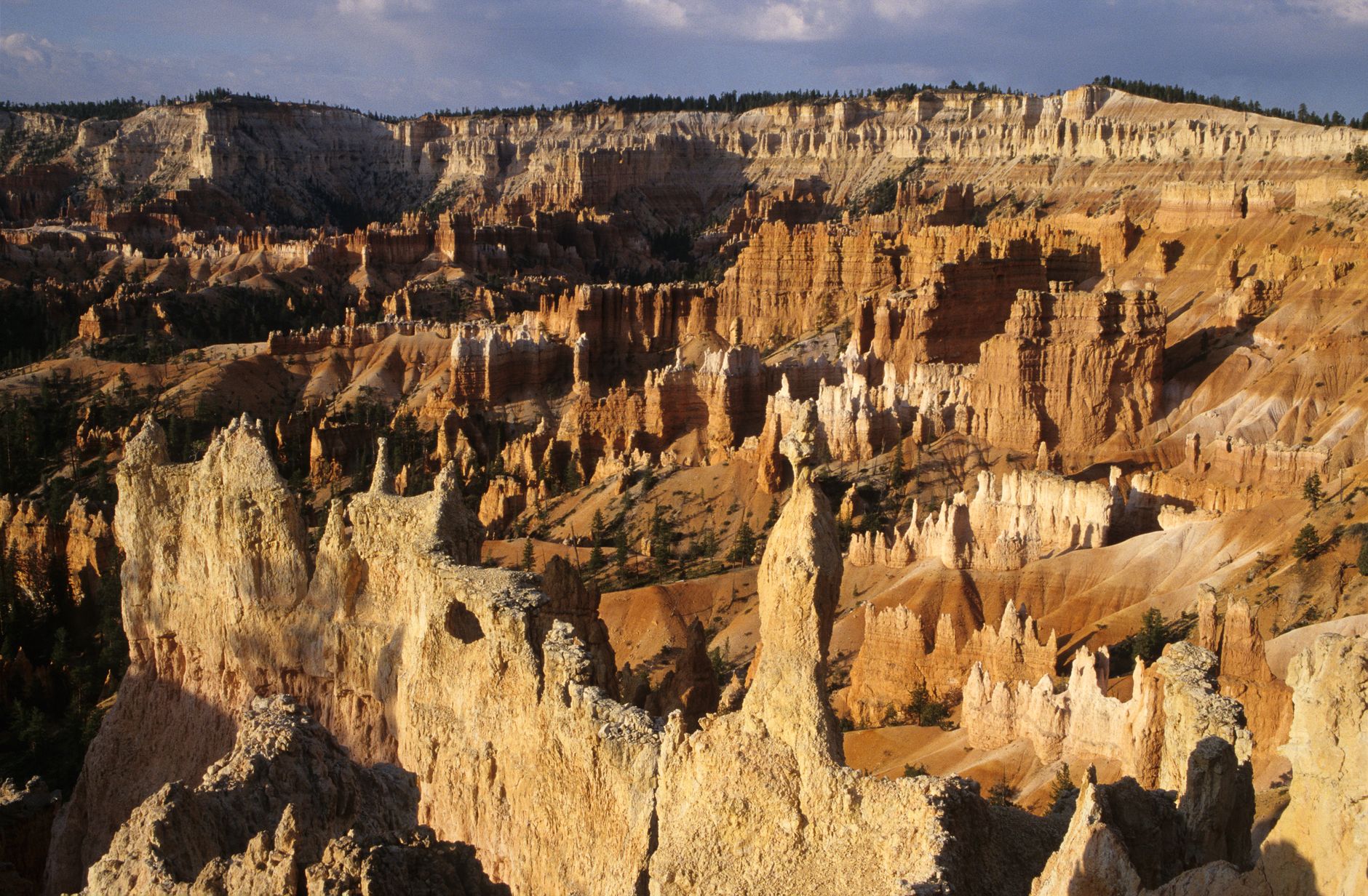
The United States is home to a staggering number of national parks, each offering unique landscapes, ecosystems, and experiences. If you’re considering a trip to one or more of these majestic parks, understanding how many there are and what they each offer can help you plan a memorable adventure. In this guide, we’ll dive into the current number of national parks in the U.S., what makes them worth visiting, and offer practical tips for planning your perfect getaway.
As of now, there are 63 designated national parks across the United States, each managed by the National Park Service. From the breathtaking waterfalls of Yosemite to the surreal landscapes of Death Valley, there’s a wide range of experiences to suit every type of traveler. This article will guide you through everything you need to know about U.S. national parks—where to go, what to do, and how to prepare.
How Many National Parks Are There In The U.S.?
In total, the U.S. boasts 63 national parks, stretching from the iconic Yellowstone in the northwest to the tropical Everglades in the southeast. These protected areas are sanctuaries for wildlife and natural beauty, drawing millions of visitors each year. The parks range significantly in size, ecosystem, and recreational opportunities, ensuring there’s something for everyone.
Overview of the U.S. National Parks
National parks vary tremendously in terms of size, attractions, and climate. Here’s a snapshot of what you can expect:
- Geographical Variety: The parks include arid deserts, lush rainforests, stunning mountain ranges, and expansive prairies.
- Diverse Wildlife: Many parks are home to protected species, offering opportunities for wildlife watching and photography.
- Outdoor Activities: Activities vary from hiking and camping to water sports and guided tours, depending on park features.
- Historical Significance: Some parks also preserve significant historical and cultural sites, enriching the visitor experience.
Top National Parks to Visit
With 63 options, selecting a park can feel daunting. Here’s a list of some of the most popular and unique parks in the U.S., providing a glimpse into the beauty each has to offer:
Yellowstone National Park
Established in 1872, Yellowstone is America’s first national park and renowned for its geothermal features, including the iconic Old Faithful geyser. Visitors can engage in hiking, sightseeing, and wildlife viewing, particularly of bison and elk.
Yosemite National Park
Famed for its towering granite cliffs and scenic waterfalls, Yosemite offers spectacular views and diverse ecosystems. Popular activities include rock climbing, hiking, and photography, especially at renowned spots like Half Dome and El Capitan.
Grand Canyon National Park
The Grand Canyon is a breathtaking landmark known for its immense size and intricate landscapes. Hiking the rim or taking a river trip down the Colorado River are excellent ways to experience its vast beauty.
Great Smoky Mountains National Park
This park straddles the border between North Carolina and Tennessee and is celebrated for its rich biodiversity and beautiful mountain ranges. Visitors enjoy hiking, camping, and exploring the historical cabins dispersed throughout the park.
Everglades National Park
A UNESCO World Heritage Site, Everglades offers a unique ecosystem characterized by wetlands and a diverse array of wildlife. Kayaking and airboat tours present exciting opportunities to explore the marshes and spot alligators and exotic birds.
Planning Your Visit to U.S. National Parks
With so many parks to choose from, it’s essential to plan your visit wisely to make the most of your experience. Here are some practical tips:
When to Visit
Timing your visit can significantly enhance your experience. Factors to consider include:
- Seasonal Weather: Parks located in northern regions may be best visited in summer due to snowfall in winter. Parks like the Great Smoky Mountains can provide stunning fall foliage views in October.
- Crowd Levels: Summer months typically bring crowds; visiting in spring or late fall may offer a quieter experience.
Suggested Length of Stay
The optimal length of stay varies by park and personal interest. A general guideline includes:
- 2-3 days for smaller parks or if focusing on specific highlights.
- 4-7 days for larger parks like Yellowstone or Yosemite, where extensive hiking and exploration are ideal.
Getting There and Around
Accessibility is a crucial factor in planning your trip. Here’s how to navigate your visit:
- Transportation: Parks are often accessible via major highways. Car rentals are commonly recommended for flexible exploration.
- Public Transport: Some parks have shuttle services or transportation options, but they might be limited.
- Parking: Arrive early during peak seasons as parking lots can fill quickly.
Accommodation Options
Accommodations vary widely from park to park. Consider the following options:
- In-Park Lodging: Many parks offer cabins and lodges for an immersive experience. Early bookings are advisable, especially during peak seasons.
- Camping: Most parks have campgrounds, but it’s essential to reserve spots in advance, particularly in busy seasons.
- Nearby Towns: Depending on the park, nearby communities may provide additional lodging options, dining, and services.
Things to Do in National Parks
National parks feature a wide array of activities catering to all interests. Here are some ideas to get you started:
Hiking and Walking Trails
Trails can range from easy, accessible paths to challenging backcountry routes. Understanding the difficulty level and duration of each trail helps in planning your hikes. Always bring adequate supplies, including water and snacks, and consider using trail maps or apps detailing routes.
Wildlife Viewing
The diverse ecosystems in national parks offer wildlife viewing opportunities. Early morning and late afternoon are typically the best times for spotting animals. Always observe from a safe distance, and remember that feeding wildlife is prohibited.
Photography
Every park presents stunning vistas that photographers will adore. Sunrise and sunset are the best times to capture landscapes in golden light. If you’re a bird watcher, bring binoculars to observe unique species.
Educational Programs
Many parks offer ranger-led programs, workshops, and interpretive tours. Joining these can enrich your understanding of the park’s history, geology, and wildlife.
Budget Considerations for Visiting National Parks
Understanding the costs associated with visiting national parks can help you plan adequately.
Entrance Fees
Most national parks charge an entrance fee that varies per park. Consider purchasing an America the Beautiful Pass if you plan to visit multiple parks, as it covers entrance fees to all federal recreation sites.
Accommodation Costs
Costs for lodging can vary significantly based on the park and type of accommodation. Camping is usually more budget-friendly than staying in lodges. Research and plan according to your budget.
Additional Expenses
Budget for activities, food, and gear rentals. Eating out in nearby towns or preparing meals at campsites can mitigate food costs. Renting equipment for activities like canoeing or biking may also add to your overall expense.
Accessibility and Safety Tips
When visiting national parks, accessibility and safety should be prioritized:
Accessibility Options
Many parks work to be inclusive, offering services for visitors with disabilities. Check online or contact the park directly for information on accessible trails and facilities.
Safety Tips
Always review park guidelines and safety recommendations. Be mindful of wildlife, practice Leave No Trace principles, and understand the risks associated with adventure activities like hiking or water sports. Always carry a map or GPS device and inform someone of your plans before heading out.
Conclusion
The United States features an impressive diversity of national parks, each offering its own unique attractions and experiences. With 63 national parks to choose from, planning a visit to these spectacular environments can enrich your travel experiences. Whether you’re drawn to the mountainous landscapes of the Rockies or the subtropical beauty of the Everglades, your adventure awaits. Plan sensibly and enjoy the breathtaking beauty and rich biodiversity that the nation’s parks have to offer.
If you’re interested in further enhancing your travels, explore related destination guides and travel-planning articles. Check out things to do in Washington State or visit a savvy tourist for more tips and inspiration.