
Canada is a vast and diverse country that captivates travelers with its stunning landscapes, rich cultural heritage, and vibrant cities. Known for its breathtaking national parks, delicious food, and friendly locals, Canada offers something for everyone. Whether you’re an outdoor enthusiast, a history buff, or a foodie, exploring Canada is a rewarding experience.
This article dives into what makes Canada unique, highlighting its key attractions, offerings, and cultural aspects. From natural wonders to urban experiences, learn why Canada should be on your travel radar.
What Is Canada Known For?
Canada is known for its natural beauty, multicultural cities, maple syrup, ice hockey, and politeness. The country’s stunning landscapes range from majestic mountains and lush forests to pristine lakes and beautiful coastlines. Culturally, Canada boasts a blend of British, French, and Indigenous influences that enrich its local traditions, cuisine, and celebrations.
Stunning Natural Landscapes
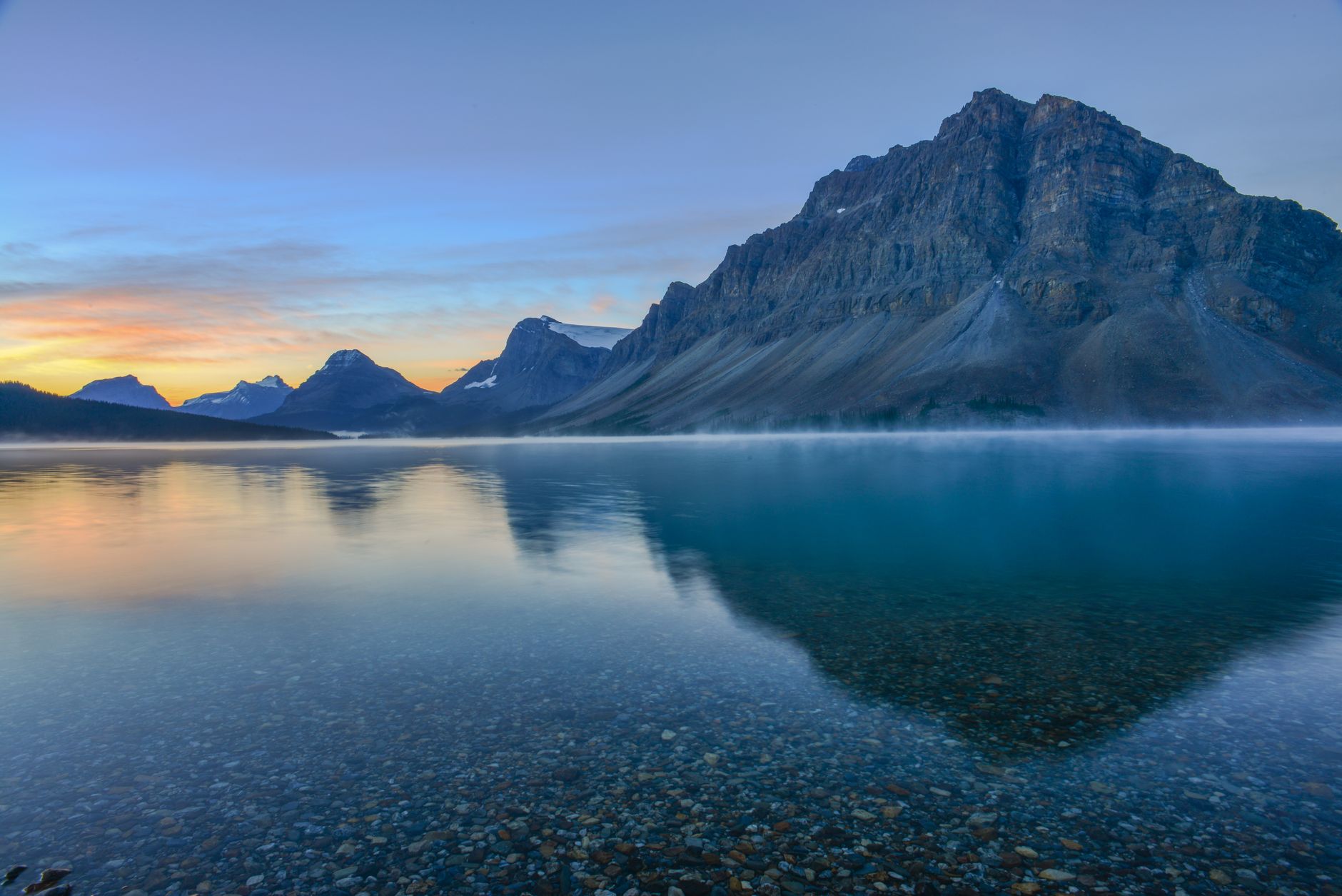
Canada’s geography includes some of the most breathtaking natural landscapes in the world. The country is home to numerous national parks, mountains, lakes, and rivers that attract nature lovers year-round.
National Parks
Canada has over 40 national parks, each showcasing unique ecosystems and outdoor activities. Popular national parks include:
- Banff National Park: Famous for its stunning turquoise lakes, such as Lake Louise and Moraine Lake, Banff offers hiking, skiing, and wildlife viewing.
- Jasper National Park: Home to the largest dark sky preserve in the world, Jasper is perfect for stargazing and offers fantastic hiking trails.
- Yoho National Park: Known for its majestic waterfalls like Takakkaw Falls, Yoho features breathtaking scenic views and excellent hiking opportunities.
Iconic Natural Wonders
In addition to national parks, Canada is home to several natural wonders which are must-see attractions:
- Niagara Falls: One of the most famous waterfalls in the world, Niagara Falls is a powerful sight. Visitors can take boat tours to experience the falls up close.
- Lake Louise: This stunning glacial lake is surrounded by mountains and offers a picturesque setting for kayaking or hiking around the shore.
- The Northern Lights: Witness the spectacular aurora borealis in places like Yellowknife or Yukon during the fall and winter months.
Cultural Heritage
Canada’s cultural landscape is as diverse as its geography. The country’s history is influenced by Indigenous peoples and European settlers, creating a rich tapestry of traditions and celebrations.
Festivals and Events
Throughout the year, there are numerous festivals celebrating Canadian culture. Here are some notable ones:
- Edmonton Folk Music Festival: An annual music festival featuring artists from around the world, perfect for music lovers.
- Calgary Stampede: Known as “The Greatest Outdoor Show on Earth,” Calgary Stampede showcases rodeo events, concerts, and a vibrant festival atmosphere.
- Quebec Winter Carnival: One of the largest winter festivals in the world, featuring ice sculptures, parades, and various winter activities.
Indigenous Culture
Canada’s Indigenous peoples play a significant role in the country’s cultural identity. Visitors can learn about their history, art, and contributions through various experiences:
- Indigenous Art Galleries: Explore art installations and galleries showcasing Indigenous artists across Canada.
- Cultural Centers: Visit cultural centers in provinces such as British Columbia and Ontario to learn about Indigenous history and traditions.
Delicious Food and Drink
Canada is known for its culinary diversity, with influences from various cultures. The country offers a wide range of local foods, making it a haven for food lovers.
Iconic Canadian Dishes
Canadian cuisine includes several iconic dishes that you must try, including:
- Poutine: A Quebecois dish consisting of fries topped with cheese curds and gravy, often found at diners and fast-food chains.
- Butter tarts: A sweet pastry filled with a gooey mixture of butter, sugar, and eggs, perfect for dessert lovers.
- Tourtière: A traditional meat pie originating from Quebec, typically enjoyed during the holidays.
Sweet Treats: Maple Syrup
Canada is the largest producer of maple syrup in the world. Visitors can experience the maple syrup-making process at sugar shacks, especially during the spring season when sap is harvested. Don’t forget to taste delicious maple-infused treats like maple candy and maple-glazed bacon.
Engaging Urban Experiences
While Canada is known for its natural beauty, its cities also offer unique experiences. From cultural events to bustling nightlife, Canadian cities have plenty to explore.
Popular Canadian Cities
Each city in Canada has its distinct character:
- Toronto: The largest city in Canada, Toronto is known for its diverse neighborhoods, vibrant arts scene, and iconic skyline featuring the CN Tower.
- Vancouver: Nestled between mountains and ocean, Vancouver offers stunning views, outdoor activities, and a flourishing culinary scene.
- Montreal: The heart of French Canada, Montreal boasts a rich history, picturesque streets, and excellent food.
Local Attractions
Don’t miss these attractions when visiting Canadian cities:
- Royal Ontario Museum (Toronto): A massive museum showcasing art, culture, and natural history.
- Granville Island (Vancouver): A lively market and arts hub where you can find local crafts, food, and performances.
- Old Montreal: A historic area filled with cobblestone streets, cafes, and shops offering a taste of European charm.
Welcoming and Polite Culture
Canada is often coined as one of the friendliest countries in the world. Canadians pride themselves on being polite, helpful, and respectful, creating a warm atmosphere for visitors. Expect a friendly smile and a willingness to assist.
Safety Considerations
Travelers can generally feel safe in Canada. However, it is wise to follow common safety tips:
- Stay aware of your surroundings, especially in crowded areas.
- Keep personal belongings secure and avoid displaying valuables.
- Know emergency numbers, such as 911 for police, fire, and medical emergencies.
Accessing Canada
Canada is accessible by air, land, and sea, making it easy for travelers from various destinations to visit. Major airports like Toronto Pearson International Airport and Vancouver International Airport connect the country with global hubs.
Getting Around Canada
Once in Canada, you have several options for getting around:
- Public Transportation: Major cities feature efficient public transport systems, including subways, buses, and streetcars.
- Car Rentals: Renting a car grants you the freedom to explore off-the-beaten-path destinations.
- Train Travel: VIA Rail and Rocky Mountaineer offer stunning train journeys through scenic landscapes.
When to Visit Canada
The best time to visit Canada depends on your interests, as each season offers unique experiences:
- Spring (March to May): Warm weather brings blooming flowers. Great time for outdoor activities and festivals.
- Summer (June to August): Ideal for hiking, beach trips, and exploring cities. Expect pleasant temperatures and bustling tourist hotspots.
- Fall (September to November): Experience stunning autumn foliage and harvest festivals, especially in regions like Ontario and Quebec.
- Winter (December to February): Perfect for winter sports enthusiasts. Skiing, snowboarding, and ice skating are popular activities.
Suggested Length of Stay
A suggested length of stay in Canada often depends on your destinations. To truly experience the highlights:
- A week is ideal for a city like Toronto or Vancouver, allowing time for sightseeing and local cuisine.
- Two weeks give you more flexibility to explore multiple destinations, such as visiting Banff, Calgary, and Jasper.
- For seasonal activities, consider timing your visit based on your interests; a winter stay can be distinct from a summer trip.
Budget Considerations
Traveling in Canada can vary in costs based on your itinerary. Here are some budget considerations:
- Accommodation
- Food: Dining ranges from affordable food trucks and diners to upscale restaurants. Budget for meals based on your dining preferences.
- Transportation: Public transportation is generally affordable, but renting a car can increase costs, especially for fuel.
Final Practical Tips
To make the most of your Canadian adventure, here are a few practical tips:
- Check entry requirements, especially for international travel.
- Pack for variable weather, as conditions can change rapidly.
- Learn a few basic French phrases if visiting Quebec; it’s appreciated by locals.
Canada is a remarkable country known for its picturesque landscapes, rich cultural heritage, delicious food, and friendly atmosphere. With diverse experiences waiting for you, it’s a destination worth exploring. Start planning your trip and create unforgettable memories!
For more insights, check out related destination guides and travel-planning articles on things to do in Halifax and things to do in Victoria, BC.