
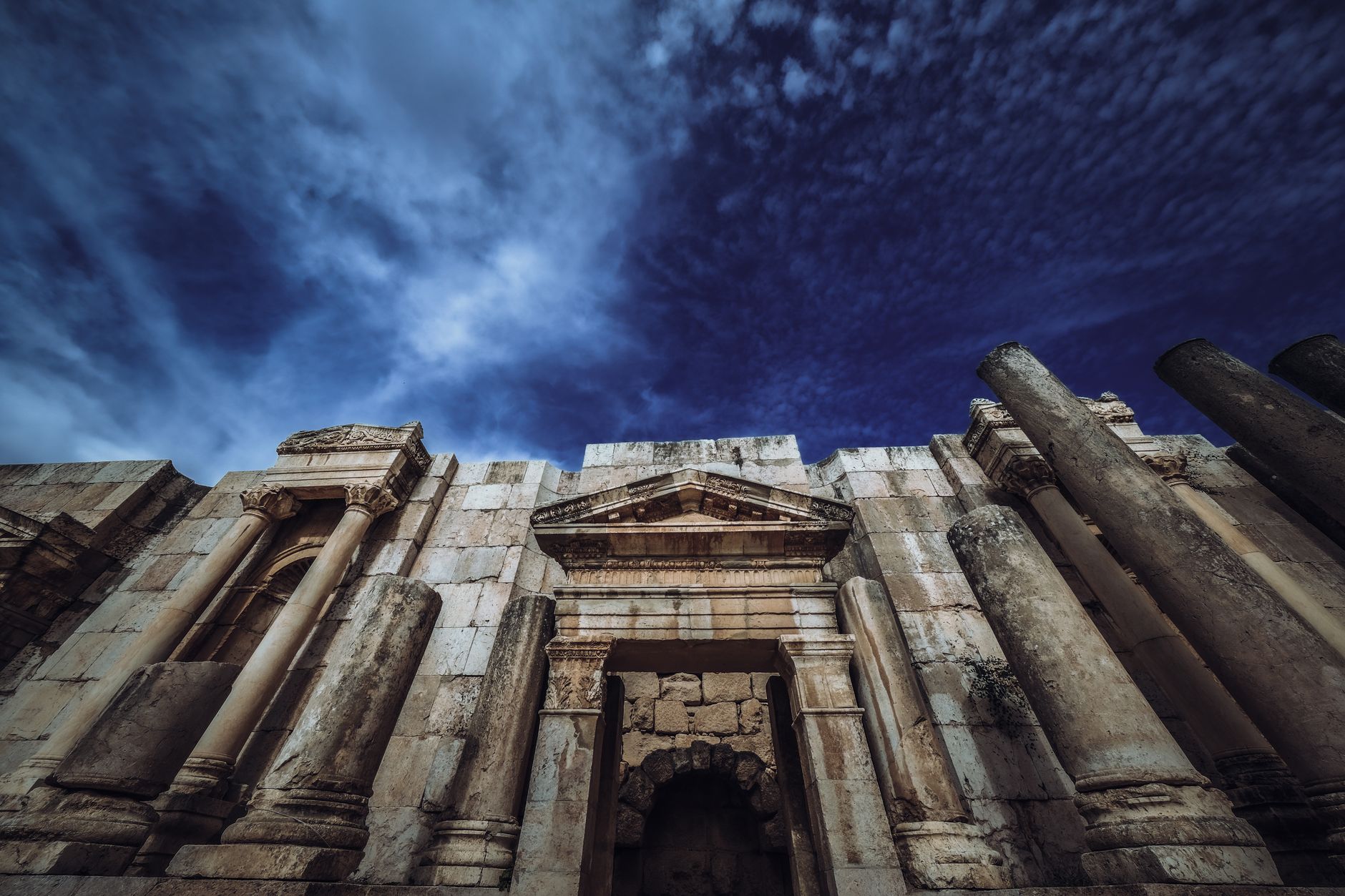
Troy, a name synonymous with ancient history and myth, is located in modern-day Turkey. Nestled in the northwestern region of the country, it lies near the Aegean coast and is easily accessible from cities like Canakkale. Additionally, it holds significant archaeological importance, drawing travelers interested in both history and mythology.
The site of ancient Troy, once thought to be just a fable popularized by Homer in “The Iliad,” offers a glimpse into a civilization that thrived thousands of years ago. It is known for its iconic ruins and intriguing legends, making it a fascinating destination for history enthusiasts and casual travelers alike.
Where Is Troy?
Troy is primarily located near the town of Hisarlik, about 30 kilometers south of the Dardanelles Strait in Turkey. The ancient city sits strategically on a hill overlooking the plains of Troy and is often called “Troia” in Turkish. Its geographical location made it a critical site for trade and warfare throughout antiquity.
To reach Troy, the most common mode of transportation is to fly into Istanbul and then either take a domestic flight to Canakkale or a long bus ride. The archaeological site is a short drive from Canakkale, making it easily accessible for day trips. Troy’s ruins are well-marked and offer plenty of information to visitors about its storied past.
The Significance of Troy
Troy stands out not only for its historical significance but also for its connection to epic tales of gods, kings, and warriors. Homer’s “The Iliad” immortalized the city in the 8th century BC, framing it as the backdrop for the Trojan War, a legendary conflict sparked by love, envy, and betrayal.
The ruins of Troy, designated a UNESCO World Heritage Site, comprise nine layers of ancient settlements, covering nearly 4,000 years of history. This long timeline makes Troy a unique location where visitors can walk through the remnants of various epochs, from the Early Bronze Age to the Hellenistic period. Significant ruins include the famous walls, the Acropolis, and the remains of homes and temples.
Best Time to Visit
The best time to visit Troy is during the spring (April to June) and autumn (September to October). During these months, the weather is generally mild, and the surrounding landscapes are vibrant with blooming flowers or autumn foliage. Summer, while warm, often brings large crowds, and the heat can make exploring the archaeological site less enjoyable.
Winter, although less crowded, can be chilly and rainy, which may hinder outdoor explorations. If you prefer a quiet experience and are prepared for colder weather, winter visits may suit you.
Suggested Length of Stay
A one-day visit to Troy is usually sufficient for most travelers, allowing enough time to explore the ruins, take guided tours if desired, and absorb the historical atmosphere. However, if you wish to delve deeper into the area, consider spending an extra night in Canakkale or nearby towns to explore other attractions such as the Gallipoli Peninsula or the ancient city of Assos.
Attractions Within Troy
While the archaeological site itself is the main attraction, several other features enhance the visit:
- The Schliemann Museum: Located a short distance from the site, this museum showcases artifacts uncovered by Heinrich Schliemann, the archaeologist who famously excavated Troy in the 19th century.
- The Trojan Horse: An iconic symbol, the wooden horse stands near the entrance to the archaeological site, inviting visitors to recreate the legendary tale.
- Various Layers of Troy: Explore the different layers of settlements, with each representing a unique civilization that inhabited the site, including Troy I through Troy IX.
- The city walls: The remnants of massive stone walls provide insight into the ancient fortifications that protected Troy from invaders for centuries.
Nearby Day Trips
After visiting Troy, you might want to explore nearby attractions to maximize your experience in the region:
- Gallipoli Peninsula: A historically significant site, especially for World War I enthusiasts, known for its memorials and stunning views.
- Assos: An ancient city with well-preserved ruins and beautiful coastal scenery, about a two-hour drive from Troy.
- Canakkale: The nearest city, offering waterfront views, local shops, and delicious Turkish cuisine.
Getting to Troy
The most convenient way to reach Troy is through Canakkale. The area is well connected by both domestic flights from major cities like Istanbul and long-distance buses that travel from various locations in Turkey.
Once in Canakkale, travelers can rent a car, take a taxi, or use public transportation to reach the archaeological site. The drive from Canakkale to Troy takes about 30 minutes, and the route is straightforward with clear signage.
Accommodation Options
When visiting Troy, securing accommodation in Canakkale is your best bet. The city offers a range of options, from budget hostels to mid-range hotels and upscale resorts:
- Budget Options: Hostels and guesthouses are available at affordable prices, perfect for backpackers or budget travelers.
- Mid-range Hotels: Numerous 3 to 4-star hotels offer comfortable stays, often with breakfast included, that cater to families and couples.
- Luxury Stays: For visitors seeking a high-end experience, boutique hotels and resorts provide premium amenities and stunning views over the Dardanelles.
It’s advisable to book accommodation in advance, especially during peak travel seasons. Look for places that offer easy access to local attractions and have good reviews to ensure a pleasant stay.
Food and Drink in the Area
The region surrounding Troy boasts a rich culinary tradition influenced by both Mediterranean and Middle Eastern flavors. Be sure to try:
- Kebabs: Whether it’s lamb, chicken, or vegetarian options, the diverse kebabs are a staple throughout Turkey.
- Mezes: Small appetizers that accompany most meals, ranging from olives to eggplant dishes, are a great way to experience local flavors.
- Baklava: A popular Turkish dessert made with layers of phyllo pastry, nuts, and honey syrup, perfect for those with a sweet tooth.
- Turkish Tea and Coffee: Enjoying a cup of Turkish coffee or tea is a ritual for many locals and offers a glimpse into the country’s hospitality.
Transportation in Troy
Once you’ve arrived, transportation options in the area include buses, taxis, and car rentals:
- Buses: Local buses connect Canakkale to Troy. They run frequently and are a cost-effective way to travel.
- Taxis: Taxis are readily available in Canakkale and make for a convenient but more expensive option for getting to and from Troy.
- Car Rentals: Renting a car offers flexibility for exploring the wider region, including surrounding historical sites.
Practical Travel Tips
To ensure a smooth trip to Troy, keep these tips in mind:
- Check Entry Fees: While visiting the site, entry fees may apply. Verify current prices and opening hours beforehand to avoid disappointment.
- Dress Comfortably: Wear comfortable shoes and clothing suitable for walking, as the archaeological site has uneven terrain.
- Plan for Sun Protection: Bring sunscreen, hats, and water, especially if visiting during warmer months.
- Respect Local Customs: Turkey is a predominantly Muslim country; practicing respect for local customs, especially when visiting religious sites, is essential.
- Travel Insurance: Consider purchasing travel insurance to safeguard against any unforeseen circumstances.
Accessibility Considerations
While the archaeological site of Troy is partially accessible, some areas might be challenging for individuals with mobility issues. It is advisable for travelers to check in advance regarding the specific facilities available. Accessible paths may exist, but being prepared for uneven ground and potential steps is crucial for a comfortable visit.
Conclusion and Next Steps
Visiting Troy is an enriching experience that blends history, culture, and breathtaking scenery. With its prime location, you can easily combine your visit to Troy with other captivating sites in the region. A day or two is ideal for indulging in the charm of Turkey’s ancient past while enjoying modern comforts.
To continue planning your travels, consider exploring articles on things to do in Hammurabi and things to do in Alexandria, Egypt for more culturally rich destinations that enhance your travel experiences.