
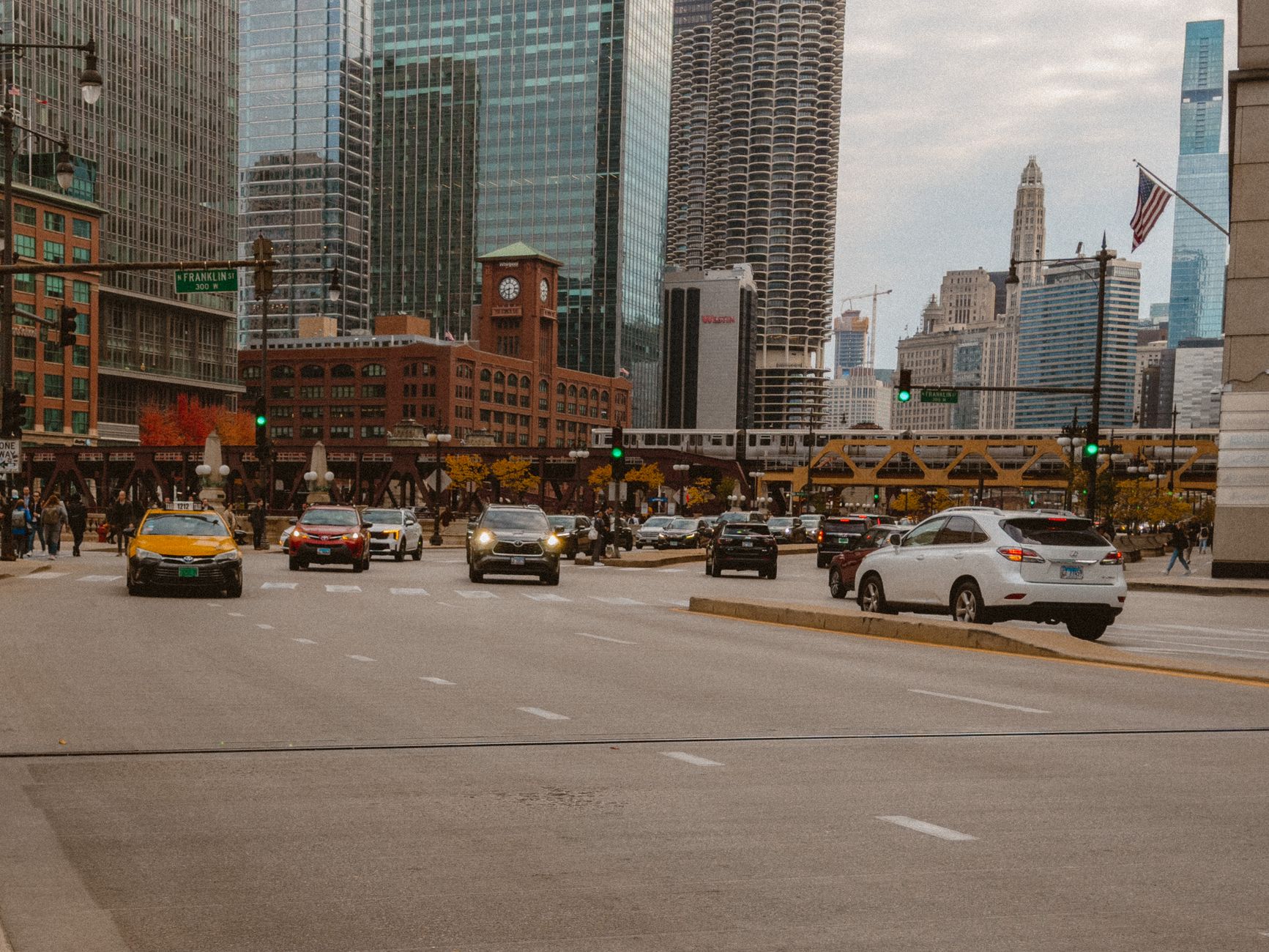
Driving can be an exhilarating experience, but it can also lead to frustration, especially when navigating the roads in states with questionable driving records. Identifying which state has the worst drivers might be essential for anyone planning a road trip or moving to a new location. This article will provide insights into driving statistics, the reasons behind poor driving behavior, and practical travel tips for navigating these states safely.
Understanding driving safety and habits can enhance your travel planning. Whether you’re looking to avoid states with problematic drivers or seeking tips for driving within them, this comprehensive guide will cover various aspects that can help you make informed decisions.
What State Has The Worst Drivers?
According to various statistics, states like Louisiana, Mississippi, and Alabama often rank among those with the worst drivers. Factors contributing to these rankings include higher accident rates, speeding, and driving under the influence. The conditions in these states present unique challenges for travelers and residents alike.
Factors Contributing to Poor Driving
Several factors contribute to the reputation some states have regarding their drivers. From weather conditions to driving laws, understanding these aspects can better prepare you for driving in these states.
Weather Conditions
States with frequent severe weather events, such as heavy rains, hurricanes, or snow, often see increased accident rates. Driving in challenging weather can reveal the skill level of local drivers. In states like Louisiana, where heavy rain is common, drivers may not always adapt well, leading to accidents.
Road Infrastructure
Poor road infrastructure significantly affects driving habits. States with outdated road systems, lacking maintenance, or insufficient signage can contribute to a higher rate of accidents. Areas with rural roads or poorly designed intersections can be hazardous.
Driving Culture
The local driving culture plays a crucial role in shaping driver behavior. In some states, aggressive driving habits or a lack of adherence to speed limits can lead to increased accident rates. Understanding a state’s culture can help you anticipate and adjust your driving behavior.
Law Enforcement and Regulations
A lack of strict driving laws and enforcement can contribute to hazardous driving conditions. States with lenient regulations regarding DUI, speeding, and other traffic violations often see higher accident rates. Enforcement practices can vary greatly from one state to another.
Statistics on Driving Safety
Statistics are a vital component in the assessment of driving safety in each state. Reviewing accident rates, DUI incidents, and traffic violations paints a clearer picture of driving safety.
Accident Rates
According to National Highway Traffic Safety Administration (NHTSA) data, Louisiana frequently has the highest traffic fatality rates in the United States. In 2021, Louisiana had a rate of 18.2 deaths per 100,000 people, contributing to its title as one of the states with the worst drivers.
Drunk Driving Incidents
Drinking and driving remain prevalent issues in several states. Mississippi and Alabama have reported high rates of DUI arrests. According to the Centers for Disease Control and Prevention (CDC), these states struggle with drunk driving fatalities, underscoring the importance of responsible driving.
Speeding Violations
States with high speeding violation reports often correlate with a lack of respect for traffic laws. Alabama has consistently ranked high for speeding violations, which can lead to accidents and dangerous road conditions.
What to Expect When Driving Through Poor Driver States
Traveling through states with a reputation for poor drivers can present unique challenges, but with the right preparation, you can ensure a safer journey.
Road Conditions and Maintenance
Expect varying road conditions when traveling through less metropolitan areas. Some rural roads may be poorly maintained, leading to potholes or uneven surfaces. If you plan to drive through these states, be cautious and prepared for unexpected road conditions.
Defensive Driving
Practicing defensive driving is crucial when navigating roadways known for high accident rates. Stay alert for erratic behaviors, such as sudden lane changes, tailgating, and speeding. Allow for extra stopping distance and remain vigilant at intersections.
Plan Routes Wisely
Taking the time to plan your route can greatly enhance your safety. Research the roads you’ll be taking, including any known hazards and designated speed limits. Consider using GPS navigation apps that keep real-time traffic updates to avoid problematic areas.
Practical Travel Tips for Driving in Poor Driver States
Here are essential tips to make your driving experience safer and more enjoyable when traveling through states with a reputation for poor drivers.
- Stay Updated on Local Traffic Laws: Familiarize yourself with the traffic laws specific to the state you are traveling in. Each state has unique regulations, so knowing them can help you drive within legal limits.
- Keep Emergency Supplies: Always have an emergency kit in your vehicle. This includes basic supplies like a first-aid kit, water, and non-perishable snacks, as well as a spare tire, jumper cables, and other roadside assistance tools.
- Avoid Distractions: Minimize distractions inside your vehicle. Use hands-free devices for phone calls and avoid engaging with apps or navigation unless safely stopped.
- Observe the Weather Conditions: Weather can change rapidly, especially in states with unpredictable climates. Always check forecasts and adjust your driving accordingly.
- Use Caution at Night: Night driving can be particularly dangerous in states with poor drivers, as visibility is reduced. Avoid driving late at night if possible, but if you must, ensure your headlights are functioning properly and drive slower.
- Stay Calm: Regardless of other drivers’ actions, keeping a cool head while driving is essential. Avoid engaging in road rage or retaliatory behavior, as this could escalate dangerous situations.
Future Improvements in Driving Safety
States with a reputation for poor driving often recognize the need for improvement. Increasing public awareness campaigns and enhancing road safety measures can help change the driving culture.
Public Awareness Campaigns
Many states are implementing campaigns to raise awareness about the dangers of unsafe driving practices. Educating the public on the risks of distracted driving, DUI, and speeding can lead to improved driving behaviors.
Infrastructure Investments
Improving road infrastructure is crucial to enhancing safety. Investments in road maintenance, better signage, and improved lighting in high-traffic areas can reduce accident rates.
Tougher Regulations
States are increasingly adopting stricter regulations to combat drunk driving and other unsafe behaviors. Strengthening law enforcement tactics can help curb reckless driving practices, making roads safer for everyone.
When to Plan Your Trip
Timing your visit can also be essential when considering which states to drive through. Understanding local weather patterns, traffic trends, and major events will help you make informed decisions.
Best Time to Travel
Generally, spring and fall offer more favorable driving conditions in many states. Temperatures are usually moderate, and fewer severe weather events are likely. However, keep local events in mind, as festivals and holidays can increase traffic congestion.
Avoiding Major Holidays
Traveling during major holidays can lead to more crowded roads and increased risk. If possible, plan your road trip during off-peak times to reduce driving stress.
Destination Travel Considerations
As you plan your trip through or to states with a reputation for poor drivers, consider how driving conditions can influence your overall experience.
Places to Consider Visiting
Despite the driving challenges, many attractions can make the trip worthwhile. Popular destinations include:
- New Orleans, Louisiana: Known for its vibrant culture, delicious food, and jazz music.
- Gulf Shores, Alabama: A beach destination with beautiful coastlines and family-friendly activities.
- Jackson, Mississippi: Rich in history and Southern charm, it’s a great place to explore local culture.
- Mobile, Alabama: Home to historic architecture and unique festivals.
Accommodation Options
Selecting the right accommodation is key when traversing areas with difficult driving conditions. Look for hotels in safe, well-lit areas, preferably near major highways and essential amenities. Reviews and ratings can often provide insight into the safety and accessibility of accommodations.
Final Thoughts
Driving in states known for poor drivers can be challenging, but with meticulous planning and a cautious approach, you can navigate these areas effectively. Stay informed about local conditions, keep your cool on the road, and have a set of guidelines to make your travels as safe and enjoyable as possible.
Explore related destination guides and travel-planning articles to help enhance your travel experience: check out things to do in Fredericksburg, TX, and things to do in Virginia Beach with kids.