
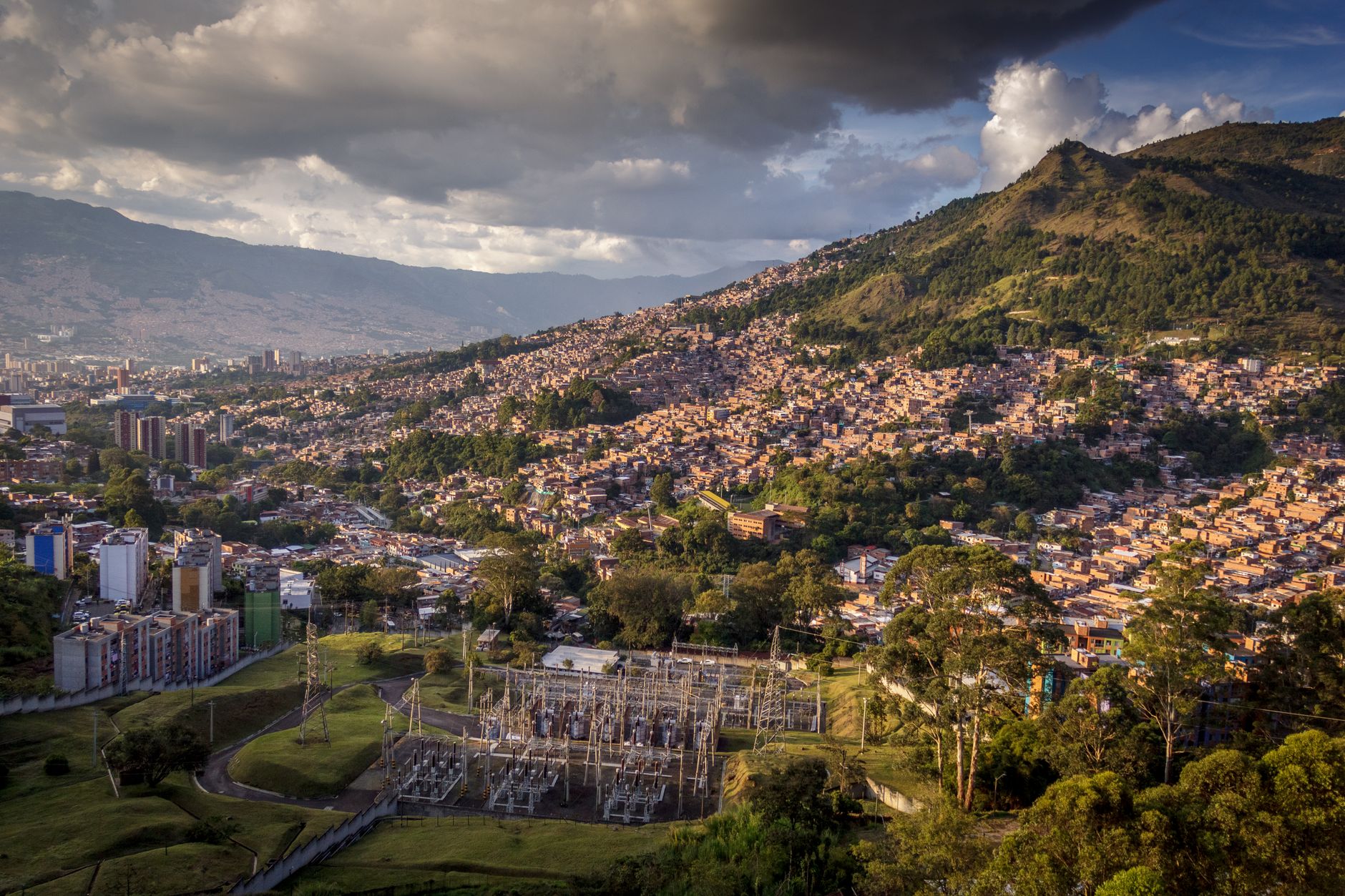
Colombia is a vibrant and diverse country known for its rich cultural heritage, stunning landscapes, and warm hospitality. With everything from lush rainforests and picturesque beaches to soaring mountains and bustling cities, Colombia has something to offer every type of traveler. This guide explores what Colombia is known for and why it should be on your travel radar.
From coffee plantations to historical sites, extraordinary wildlife, and a lively nightlife scene, Colombia presents a unique blend of experiences. As you plan your trip, you’ll discover the myriad attractions and activities that await you in this South American gem.
What Is Colombia Known For?
Colombia is known for its stunning natural beauty, rich cultural traditions, and vibrant cities. Visitors can explore a variety of attractions including coffee regions, historical sites, and beautiful coastal areas. Additionally, Colombia boasts a diverse culinary scene, music and dance traditions, and unique wildlife that sets it apart as a travel destination.
The Natural Wonders of Colombia
Colombia’s landscape is remarkably diverse, encompassing a variety of ecosystems from the Caribbean coast to the Amazon rainforest and the Andes mountains. Here are some of the key natural attractions you shouldn’t miss.
The Amazon Rainforest
The Amazon Rainforest, one of the world’s most biodiverse regions, can be accessed from Colombia. This lush, tropical environment is home to countless species of plants and animals, making it a paradise for nature enthusiasts. Guided tours can take you deep into the jungle for authentic experiences with local wildlife.
Los Nevados National Park
Home to stunning glacial peaks, Los Nevados National Park is famous for its high mountain landscapes. The park offers numerous hiking trails, opportunities for birdwatching, and breathtaking views. Those looking for adventure can try their hand at climbing some of its majestic snow-capped peaks.
Coastal Beauty: Cartagena and Santa Marta
The Caribbean coast features both Cartagena, a UNESCO World Heritage Site with colonial architecture and rich history, and Santa Marta, a laid-back beach town that serves as a gateway to Tayrona National Park. Spend days relaxing on the beach or exploring vibrant coastal towns.
Cultural Heritage and Historical Sites
Colombia has a rich cultural history influenced by Indigenous, Spanish, African, and Arab traditions. This diverse background is evident in the nation’s art, music, dance, and architecture.
Cartagena’s Walled City
Cartagena’s Walled City is one of Colombia’s most significant historical sites. Enclosed by thick walls, the city boasts colorful streets, lively plazas, and colonial buildings. Visitors can explore the Castillo San Felipe de Barajas and the nearby Castillo de San Fernando.
Medellín’s Transformation
Once known for its tumultuous past, Medellín is now a vibrant city known for innovation and transformation. Take a tour of Comuna 13, once a marginalized neighborhood, now celebrated for its street art and cultural revival. Ride the Metrocable for stunning views of the city and surrounding mountains.
Colombian Coffee: A Delicacy of the Region
Colombia is renowned for producing some of the world’s finest coffee, thanks to its ideal climate and fertile soil. A visit to the Coffee Triangle—a region encompassing Manizales, Armenia, and Pereira—provides insight into coffee cultivation and processing.
Coffee Tours and Tastings
Many coffee farms offer tours where you can learn about the production process, from planting to harvest. Sample fresh coffee right at the source, and bring home artisanal coffee beans as a memorable souvenir.
Vibrant Gastronomy
Colombian cuisine reflects its cultural diversity and regional variations. Each area has unique dishes that highlight local ingredients and culinary traditions.
Must-Try Dishes
- Bandeja Paisa: A hearty platter featuring beans, rice, avocado, fried plantains, ground meat, and chicharrón.
- Arepas: A staple food, these cornmeal cakes can be grilled, baked, or fried and are served with various fillings.
- Lechona: A traditional dish made from roasted pork stuffed with rice, peas, and spices.
- Sancocho: A comforting stew made with chicken, fish, or beef, mixed with plantains and yuca.
Music and Dance Traditions
Colombia boasts a rich musical heritage, with genres reflecting its diverse cultures. From cumbia and vallenato to salsa and champeta, music is integral to Colombian life.
Attend a Local Festival
To truly appreciate Colombian music, consider attending a local festival. The Barranquilla Carnival, for instance, is one of the largest and most colorful festivals in South America, showcasing vibrant parades and live music performances.
Adventure Activities for Thrill Seekers
Colombia’s varied landscapes provide ample opportunities for adventure, whether you enjoy hiking, whitewater rafting, or scuba diving.
Hiking in Tayrona National Park
Tayrona National Park, located on the Caribbean coast, offers spectacular hiking trails that wind through diverse ecosystems. Trek to the ancient archaeological site of Ciudad Perdida (Lost City), a challenging multi-day hike rewarding you with stunning views.
Scuba Diving in San Andres
The San Andres archipelago is famous for its crystal-clear waters and diverse marine life, making it ideal for scuba diving and snorkeling. Enjoy vibrant coral reefs and a wide variety of fish species as you explore this underwater paradise.
Transportation in Colombia
Getting around Colombia involves a variety of transportation options. Here’s a breakdown of how to navigate the country.
Flights
Colombia’s major cities are serviced by several airports, connecting you to international and domestic destinations. Flying is the quickest way to travel long distances between cities such as Bogotá, Medellín, and Cartagena.
Road Travel
While Colombia has a network of highways, driving can be challenging due to varying road conditions and traffic. Buses are a popular mode of transport for intercity travel, offering comfortable and affordable options.
Public Transport in Cities
In cities like Bogotá and Medellín, public transportation, including buses and metro systems, is reliable and easy to navigate. Ride apps like Uber are also widely used for convenience.
Accommodations: Where to Stay
Colombia offers a range of accommodations, from luxurious hotels to budget-friendly hostels.
Luxury Options
For a lavish stay, consider boutique hotels in Cartagena or upscale resorts in the Coffee Triangle. These locations offer amenities like spas, fine dining, and stunning views.
Mid-Range Hotels
Mid-range options can be found in most cities, offering comfortable stays often with included breakfasts. Look for hotels with great locations close to major attractions.
Budget Accommodation
Hostels and guesthouses are widely available, particularly in tourist hotspots. These are ideal for budget travelers and often provide a chance to meet fellow adventurers.
Best Time to Visit Colombia
Colombia has a tropical climate, leading to regional variations in weather. Here’s what you need to know about planning your visit.
Climate and Seasons
The country experiences two main seasons: the dry season (December to March and July to August) and the rainy season. The dry months are ideal for traveling, particularly along the coast and in the Amazon.
Suggested Length of Stay
A week is a reasonable length for a trip, allowing you to explore a couple of major cities and experience the diversity of the landscape. For a more in-depth exploration, consider two weeks.
Safety Considerations
While Colombia has made significant strides in safety, it’s essential to remain cautious. Follow these guidelines to ensure a safe experience:
Stay Informed
Check current travel advisories and remain updated on local news before and during your visit. Most tourist areas are safe, but practicing vigilance is crucial, especially in crowded places.
Transportation Safety
Opt for reputable transportation options and avoid traveling alone at night, particularly in rural areas. Using registered taxis or ride-sharing services in urban areas is advisable.
Practical Planning Tips
When preparing for your Colombian adventure, consider the following tips:
Money Matters
Colombia’s currency is the Colombian Peso (COP). Credit and debit cards are widely accepted, but it’s advisable to carry some cash, especially in rural areas. Check exchange rates before converting money.
Language
Spanish is the official language. Learning a few basic phrases can enhance your experience and help in interactions with locals.
Packing Essentials
- Lightweight clothing suited for tropical weather.
- Comfortable walking shoes for exploring cities and hiking.
- Swimwear for beach days and water activities.
- A reusable water bottle to stay hydrated.
Conclusion
Colombia is a treasure trove of experiences waiting to be discovered. Rich in culture, natural beauty, and adventure, it offers something for every traveler. Plan your trip thoughtfully to fully immerse yourself in the unique charm of this incredible South American country.
Explore more on traveling in Colombia by checking out guides like Where Is Bogotá? or delve into What Is Colombia Known For for more in-depth information.