
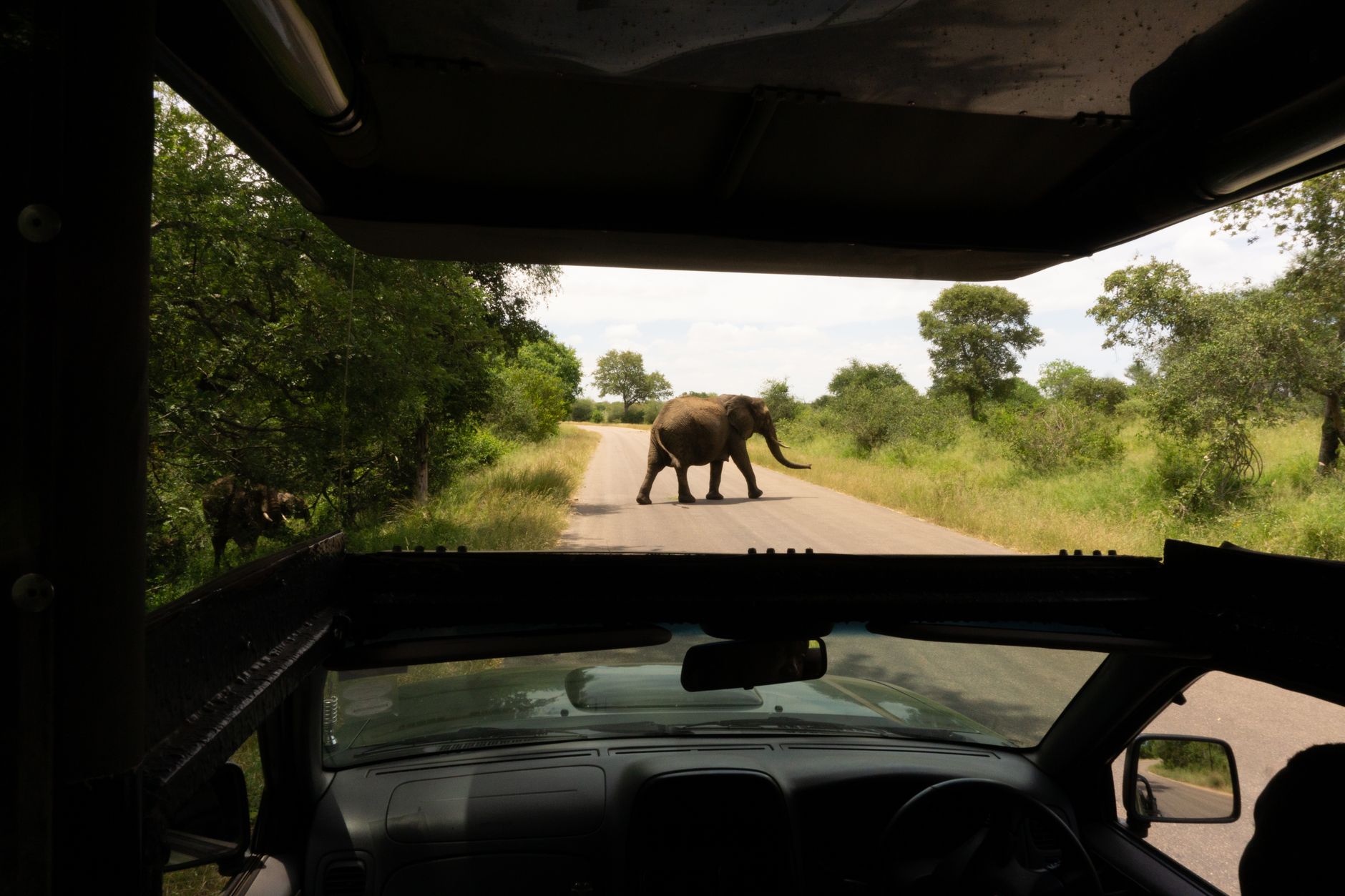
Zambia is a landlocked country located in southern Africa, bordered by eight nations. It is known for its stunning natural landscapes, rich wildlife, and friendly people. Traveling to Zambia means experiencing diverse ecosystems, from savannas to wetlands, and immersing yourself in the natural beauty and culture of the region.
Whether you are intrigued by the majestic Victoria Falls or looking for adventure on a safari, Zambia offers a unique travel experience that appeals to all kinds of travelers. This guide will help you understand where Zambia is, how to get there, and what it has to offer.
Where Is Zambia?
Zambia is situated in the southern part of Africa, bordered by the Democratic Republic of the Congo to the north, Tanzania to the northeast, Malawi to the east, Mozambique to the southeast, Zimbabwe to the south, Botswana to the south, Namibia to the southwest, and Angola to the west. The capital city, Lusaka, is located in the central-southern region of the country.
The country’s geographical highlights include the Zambezi River, which runs along its southern border and forms part of Zambia’s eastern and southern boundaries. The Victoria Falls, one of the Seven Natural Wonders of the World, is a key attraction located on the border between Zambia and Zimbabwe.
Visa and Entry Requirements
Before planning your trip, it’s essential to check the visa requirements depending on your nationality. Zambia offers a visa-on-arrival program for some countries, while others may require an e-visa or a visa prior to arrival. Always verify the latest requirements through official government sources or the Zambian embassy.
Getting to Zambia
Zambia is served by several international airports, with Kenneth Kaunda International Airport (LUN) in Lusaka being the largest. Other significant airports include Harry Mwanga Nkumbula International Airport (Livingstone), Chipata Airport, and Mfuwe Airport. Direct flights to Zambia are available from various cities in Africa, Europe, and the Middle East. Major airlines such as Ethiopian Airlines, South African Airways, and British Airways operate routes within the region.
Once you arrive in Zambia, you can also consider crossing into neighboring countries like Zimbabwe and Botswana, which are rich in attractions and accessible by road.
Transportation Within Zambia
Getting around Zambia can be done through various means, depending on your budget and travel style:
- Buses: The most common mode of transportation for budget travelers. Bus services connect major cities and towns.
- Minibuses: A cheaper alternative for local travel; they can get crowded but are often quicker.
- Taxis: Readily available in cities but negotiate fares beforehand, or use ride-hailing apps like Uber or Bolt in Lusaka.
- Self-driving: Renting a car offers flexibility but be cautious of road conditions and wildlife.
- Domestic flights: For longer distances, flights between major tourist destinations can save time.
Where to Stay in Zambia
Zambia offers a range of accommodation options suited to various budgets. Major cities like Lusaka and Livingstone have hotels, guesthouses, lodges, and camps. Here are some recommendations by area:
Lusaka
- Five Star: InterContinental Lusaka – offers luxury amenities and dining options.
- Mid-range: Protea Hotel by Marriott Lusaka – a comfortable stay with good services.
- Budget: Backpackers in Lusaka – a hostel atmosphere ideal for budget travelers.
Livingstone
- Five Star: Royal Livingstone Victoria Falls Zambia Hotel by Anantara – an upscale resort with breathtaking views.
- Mid-range: Zambezi Sun – conveniently located and family-friendly.
- Budget: Livingstone Backpackers – a sociable place for young travelers.
South Luangwa National Park
- Safari Lodges: Mfuwe Lodge – luxurious and safari-focused experience.
- Camps: Flatdog Camp – offers an authentic camping atmosphere with modern comforts.
When to Visit Zambia
The best time to visit Zambia generally falls between May and October, during the dry season. This period is ideal for wildlife viewing, especially in national parks. The temperatures are cooler, and the vegetation is less dense, making animals easier to spot. However, visiting during the rainy season (November to April) enables you to experience the lush landscapes and vibrant flora.
Length of Stay
A realistic itinerary for Zambia can vary widely depending on your interests. A typical trip may range from 7 to 14 days:
- Short trip (5 to 7 days): Focus on Livingstone and Victoria Falls, possibly one day for a day safari.
- Medium trip (7 to 10 days): Include a visit to South Luangwa National Park for safari and wildlife experiences.
- Long trip (10 to 14 days): Combine multiple destinations such as Lower Zambezi National Park and Kafue National Park for a comprehensive experience.
Top Attractions and Experiences in Zambia
Exploring Zambia can be exciting and diverse. The country is home to stunning national parks, vibrant cities, and cultural landmarks. Here are some must-see attractions:
Victoria Falls
Considered one of the largest and most spectacular waterfalls in the world, Victoria Falls is a UNESCO World Heritage site. While in Livingstone, you can witness the falls from various viewpoints or partake in activities like white-water rafting, bungee jumping, and helicopter flights.
South Luangwa National Park
Renowned for its walking safaris, South Luangwa is famous for its high wildlife concentration, including elephants, lions, and hippos. It’s an excellent location for both daylight and nighttime safari drives.
Kafue National Park
One of Africa’s largest national parks offers diverse landscapes and a range of wildlife. Kafue hosts various activities, such as boat safaris and birdwatching, making it perfect for nature lovers.
Lower Zambezi National Park
This park offers a more secluded safari experience along the Zambezi River. Guided canoe safaris are a unique way to encounter wildlife while enjoying the beautiful river scenery.
Livingstone Museum
A fascinating place for cultural insights, the museum covers the life of explorer David Livingstone and the history of Zambia. It showcases artifacts related to the country’s rich heritage.
Outdoor Adventures
Zambia is a playground for outdoor enthusiasts. Here are some popular activities:
- Safari Adventures: Choose walking, driving, or canoe safaris to immerse yourself in the wildlife experience.
- Water Activities: Raft the thrilling rapids of the Zambezi River or enjoy a serene sunset cruise.
- Hiking: Explore the various trails in national parks or trek around the surrounding areas for incredible vistas.
Food and Drink
Zambian cuisine is flavorful and largely influenced by local crops and customs. Be sure to try these staples:
- Nsima: A staple food made from ground maize, usually served with vegetables, fish, or meat.
- Nkhuku: Spiced chicken dish that’s popular in many homes.
- Chikanda: A traditional dish made from wild orchid tubers, often served with meat.
Regarding beverages, try the local beers like Mosi and Castle Lager, as well as non-alcoholic options like Dawa juice, a refreshing drink made from fresh fruits.
Budget Considerations
Understanding expenses will help you plan an affordable trip. Here are some essential budgeting considerations:
- Accommodation: Prices can range from budget hostels (20-50 USD per night) to luxury hotels (150-400 USD).
- Food: Local meals can be cheap (3-10 USD), while fine dining will cost more.
- Activities: Entrance fees for national parks and attractions vary. Be prepared for additional costs for guided tours.
Overall, a budget of 50-150 USD per day can offer a comfortable experience, depending on your choices.
Safety and Health
Zambia is generally a safe country for travelers, but it’s essential to remain vigilant. Some tips for safety include:
- Avoid walking alone at night, especially in unfamiliar areas.
- Stay aware of your surroundings and keep valuables secure.
- Use registered taxis or rideshare services for transportation.
Healthcare facilities can be limited in rural areas, so ensure you have travel insurance. It’s advisable to consult a healthcare professional about vaccinations and malaria precautions before your trip.
Packing Guide for Zambia
Your packing list should accommodate both the climate and activities planned in Zambia. Here’s a concise packing list:
- Lightweight clothing for the warm climate
- A light jacket or sweater for cooler evenings
- Comfortable walking shoes and sandals
- Binoculars and a camera for wildlife viewing
- Reusable water bottle to stay hydrated
- Insect repellent and sunscreen
- Personal medications and a basic first-aid kit
Being well-prepared ensures an enjoyable and smooth travel experience through Zambia. The variety of attractions, cultural diversity, and adventurous offerings make it an exciting destination for all types of travelers.
With all these aspects considered, Zambia proves to be a vibrant travel destination that captures the hearts of its visitors. You might want to explore more about Zambia’s incredible experiences and fascinating places. For those interested, read about things to do in Victoria Falls or check out experiences in Victoria, British Columbia.