
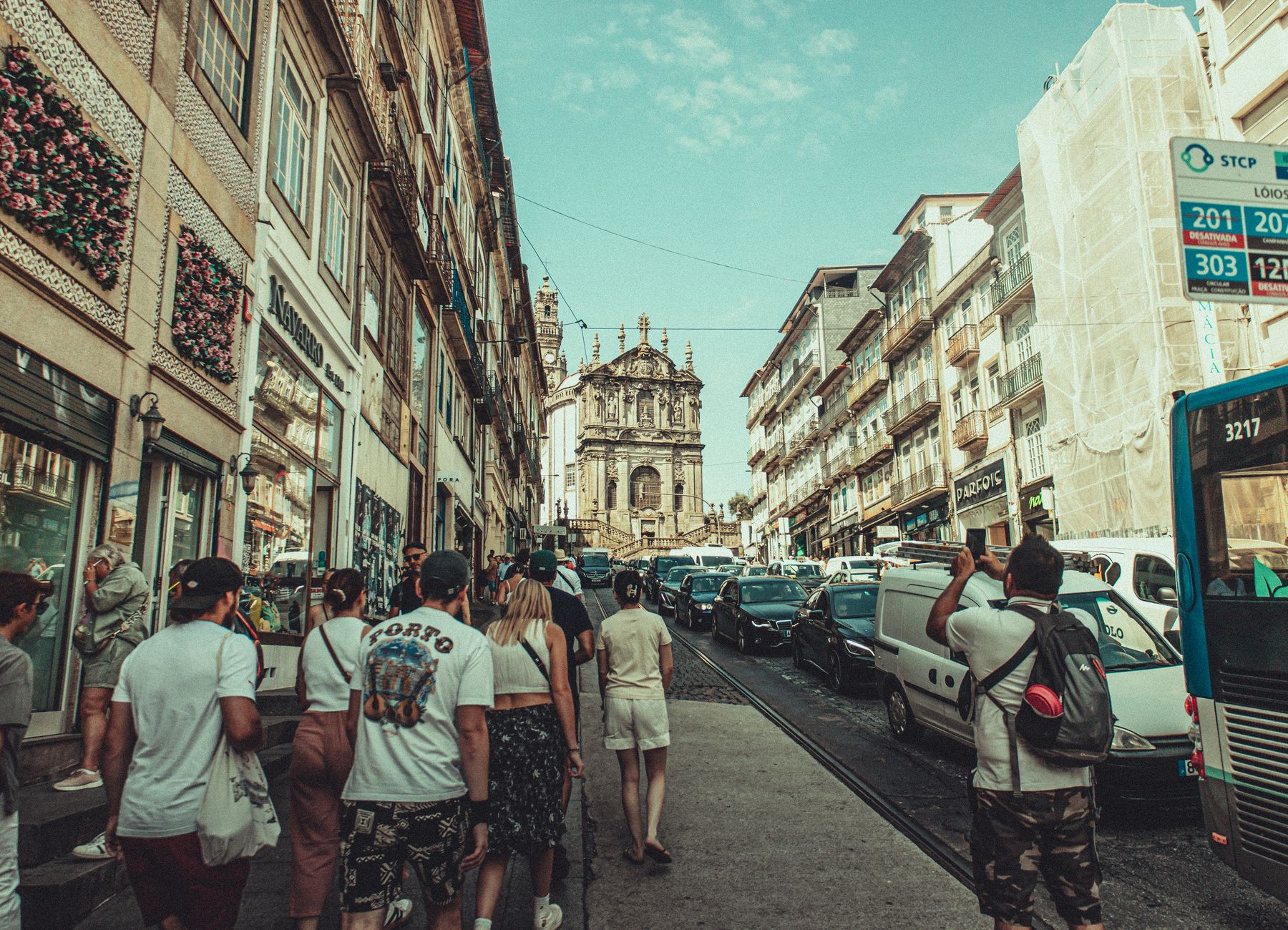
Understanding when rush hour occurs can be essential for any traveler. Whether you’re navigating local streets or utilizing public transportation, knowing the peak traffic times can save you precious time and reduce stress during your trip. This article will outline the basics of rush hour, including typical timeframes, factors that affect congestion, and practical tips for avoiding heavy traffic.
Different cities and regions have varying definitions of rush hour based on local habits, work schedules, and public transportation availability. However, there are some consistent trends across many metropolitan areas that travelers should be aware of, particularly if they want to maximize their exploration time.
When Is Rush Hour?
Rush hour typically occurs during weekday mornings and evenings. In most urban areas, mornings see increased traffic between 7:00 AM and 9:00 AM, while evening traffic peaks from around 4:00 PM to 6:00 PM. During these times, expect congested roads and crowded public transport as commuters travel to and from work.
Factors That Affect Rush Hour
While the general times for rush hour can give you a good starting point, various factors can further influence congestion levels. Here are some key elements that contribute to rush hour variations:
1. City Size and Layout
Large metropolitan areas like New York City or Los Angeles will experience rush hour congestion differently than smaller cities. Dense urban environments with limited road space often face heavier congestion due to commuters utilizing the same routes.
2. Public Transportation Availability
Cities with robust public transportation systems, such as buses and subways, may have more commuters relying on these options, thus impacting road traffic. In places where public transportation is limited, more individuals will rely on personal vehicles, increasing road congestion.
3. Local Events
Special events such as concerts, sports games, festivals, or conventions can significantly alter typical rush hour patterns. Traffic may be heavier, and availability on public transport could be impacted as large crowds converge on specific areas.
4. Weather Conditions
Adverse weather, such as rain, snow, or fog, can slow down traffic and lead to longer commute times. Always keep in mind that bad weather can exacerbate rush hour congestion.
How to Navigate Rush Hour
Successfully navigating rush hour can make a significant difference in your travel experience. Here are some practical tips to help you avoid the worst of the traffic.
1. Plan Your Journey in Advance
Utilizing navigation apps that provide real-time traffic updates can help you identify the best routes to take. Many of these apps can suggest alternate paths to avoid congested areas.
2. Travel During Off-Peak Hours
If your schedule allows, consider traveling outside the typical rush hour. Mid-mornings and early afternoons between approximately 9:30 AM and 3:30 PM tend to see lighter traffic, making it easier to explore.
3. Utilize Public Transport
In larger cities, public transportation can be a great way to bypass rush hour traffic. Familiarize yourself with bus and train schedules, and utilize them to avoid driving in congested areas.
4. Consider Alternative Routes
Sometimes, taking back roads or less popular routes can help you dodge traffic. However, be cautious, as these routes may have their own challenges, such as narrower roads or less frequent signals.
5. Carpooling
If you are traveling with others, consider carpooling, which allows you to share the commute while potentially using carpool lanes where available, leading to faster travel times.
Best Times to Visit Popular Destinations
Predicting rush hour becomes even more critical when planning to visit a big city or popular tourist destination. Here’s how to play it smart:
1. Early Mornings
If you’re planning to visit attractions, aim to arrive right when they open. This approach allows you to enjoy popular spots like museums or parks before they become crowded.
2. Late Afternoons or Evenings
Consider visiting areas after the traditional rush hour, typically after 6:30 PM. Many attractions often stay open late on certain days, making evening visits a more pleasant experience as you may face fewer crowds.
3. Weekdays vs. Weekends
Weekends typically experience different traffic patterns compared to weekdays. While Saturdays may still see congestion around popular destinations, Sundays often experience lighter traffic overall. Planning visits for these days can lead to smoother travels.
Public Transportation Rush Hour
Public transportation systems, such as buses, subways, and trains, also experience rush hour. Knowing the peak times can help ensure you have a comfortable journey.
1. Avoid Peak Hours When Possible
Peak times for public transportation usually align with commuter rush hours. As mentioned, these are typically 7:00 AM to 9:00 AM and 4:00 PM to 6:00 PM. If you can, plan your rides outside these times to ensure a more pleasant experience.
2. Check for Service Alerts
Many cities provide real-time updates for transportation services. Checking these alerts can save you time and frustration if a train is delayed or if a bus route has been rerouted due to construction.
3. Prepare for Crowds
During rush hour, public transport can be packed. If you’re carrying luggage or plan on bringing a stroller, be mindful of your surroundings, and allow enough time to board your vehicle. Understanding these dynamics will keep you and your belongings safe.
Combining Flights and Ground Transportation
If your travel includes flying into a city, consider how rush hour can impact your trip from the airport to your accommodation.
1. Allow Extra Time
Traveling to and from the airport can be especially challenging during rush hour. Always give yourself extra time for potential delays, whether you’re taking public transportation, an airport shuttle, or a taxi.
2. Explore Shuttle Services
Many airports provide shuttle services to major hotels and public transport stations. Researching these options in advance can simplify your travel experience, especially during rush hour.
Traveling Over Holidays
Holidays can break typical rush hour patterns, leading to unexpected congestion. Travelers should be aware of how local customs and celebrations may shape traffic patterns.
1. Be Aware of Local Holidays
Understanding local holidays can help you anticipate higher traffic levels. For example, major holidays like Thanksgiving or Independence Day may increase road congestion significantly, especially around shopping centers and entertainment venues.
2. Flexibility Is Key
Holidays can often bring unpredictable traffic. Remain flexible and willing to adjust your plans if traffic isn’t cooperating. Keeping a local transit schedule handy helps in adapting swiftly.
Accommodation Choices and Their Impact on Travel
The place you choose to stay can also affect your experience with rush hour traffic.
1. Central Locations
Staying in a central location allows you to walk to many attractions, thus avoiding driving during peak traffic times altogether. Look for accommodations near public transportation hubs or popular areas.
2. Research Parking Options
If you’re driving, ensure that your accommodation offers appropriate parking options. Knowing where to park upon arrival can save frustration, particularly during rush hour.
Conclusion
Understanding rush hour is essential for any traveler looking to navigate city life effectively. By planning your journeys around peak times and utilizing public transportation, you can significantly enhance your travel experience. So prepare accordingly, and make the most out of your adventure!
If you’re looking for more travel insights, be sure to explore why traffic is stopped on I-40 east today, or check how frequently you should take breaks when driving long distances.