
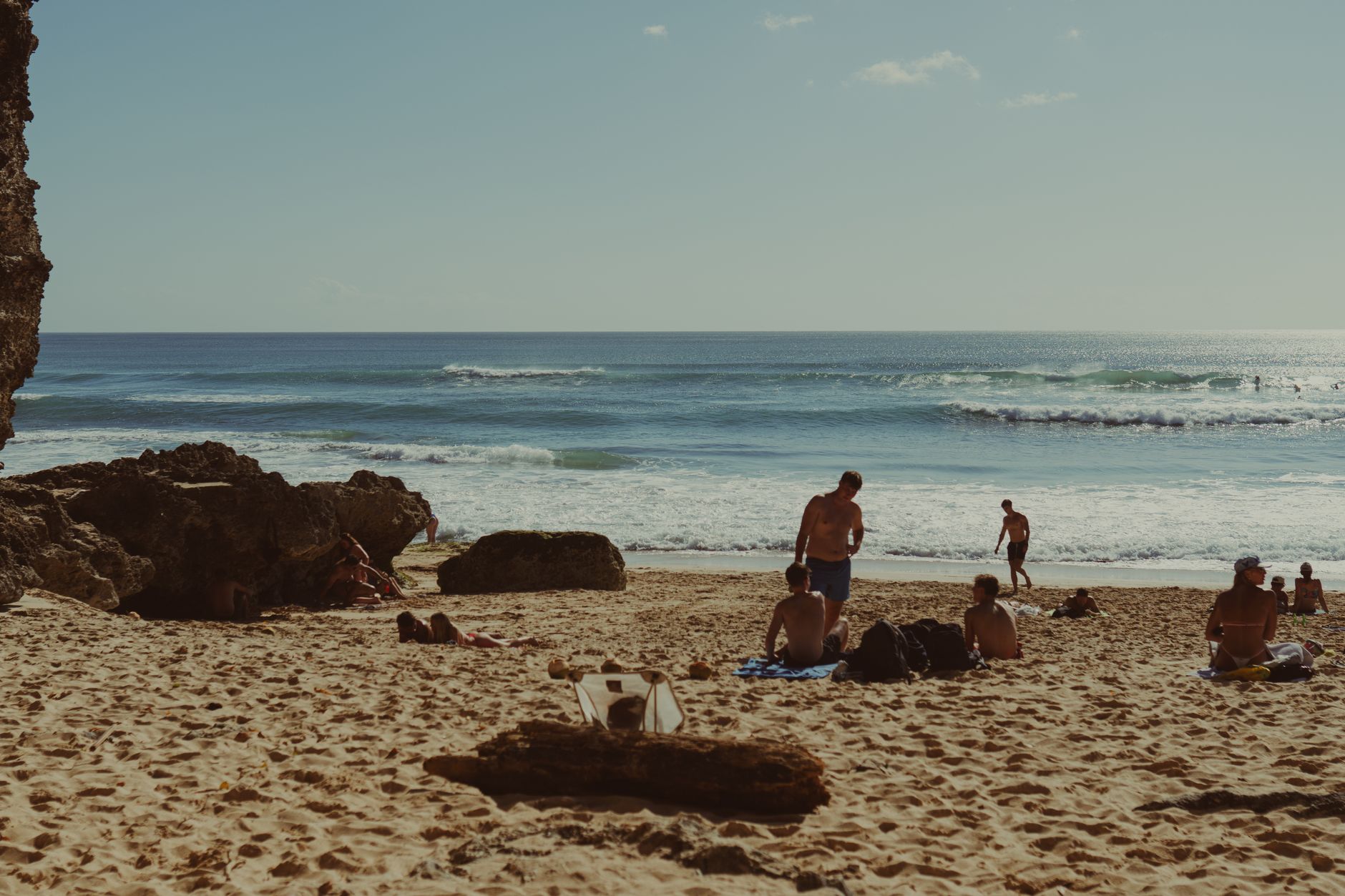
Hawaii, with its stunning landscapes, beautiful beaches, and rich culture, is a dream destination for many travelers. However, choosing the best time to visit can greatly enhance your experience, impacting everything from weather to crowds and prices. This guide will help you determine the ideal time for your Hawaiian getaway.
Whether you seek a vibrant festival atmosphere, perfect surf conditions, or peaceful retreats away from the tourist hustle, understanding Hawaii’s seasonal variations is essential for planning a memorable trip.
When Is The Best Time To Visit Hawaii?
The best time to visit Hawaii generally falls between April to June and September to November. During these months, you can enjoy pleasant weather, fewer crowds, and more affordable accommodation rates.
Understanding Hawaii’s Climate
Hawaii has a tropical climate with two main seasons: the dry season (April to October) and the wet season (November to March). Temperatures are generally mild throughout the year, with averages ranging from 70°F (21°C) to 85°F (29°C).
The Dry Season
April to October is the dry season, characterized by sunnier days and less rainfall. This is the perfect time for outdoor activities such as hiking, snorkeling, and surfing.
The Wet Season
November to March brings more rain, particularly in Hawaii’s lush areas. However, showers often pass quickly, and sunshine typically follows. The wet season can still be an enjoyable time to visit if you don’t mind the occasional rain.
Seasonal Considerations
While Hawaii is a year-round destination, certain seasons have unique advantages and disadvantages. Here’s a breakdown of what to expect throughout the year:
Winter (December to February)
- Weather: Cooler temperatures, with highs averaging around 80°F (27°C) and lows around 65°F (18°C).
- Crowds: This is peak tourist season, particularly around Christmas and New Year, leading to crowded attractions and higher hotel prices.
- Activities: Excellent surfing conditions, especially on the North Shore of Oahu, and numerous festivals celebrating Hawaiian culture.
Spring (March to May)
- Weather: Warm and comfortable with average highs of 80°F (27°C).
- Crowds: Fewer tourists compared to winter, making it a more relaxed experience.
- Activities: Ideal for whale watching (especially in March), hiking, and enjoying blooming flowers.
Summer (June to August)
- Weather: Hottest months, with highs reaching up to 90°F (32°C) on some islands.
- Crowds: Families flock to Hawaii during summer vacation, making the beaches and attractions busier.
- Activities: Perfect for beachgoers, with many water sports available. Surfing conditions are generally calmer.
Fall (September to November)
- Weather: Pleasant temperatures, with highs around 80°F (27°C).
- Crowds: A considerable drop in tourist numbers after summer, providing a more tranquil environment.
- Activities: Great time for snorkeling and scuba diving as water conditions are usually optimal.
Choosing Your Island
Hawaii is made up of eight main islands, each offering unique attractions and climate variations. Your choice of island can influence the best time to visit.
Oahu
Oahu is known for its vibrant city life and famous beaches such as Waikiki. The best time to visit is between April and June for pleasant weather and fewer crowds, while the winter months see higher tourist traffic.
Maui
Maui offers lush landscapes and stunning beaches. The shoulder seasons of spring and fall are ideal for a visit. Whale watching is especially popular in winter, while the summer months can get crowded.
Big Island
The Big Island boasts diverse volcanic landscapes. Visit between May and October for dry weather, but even during the wet season, there are many enjoyable activities and sights.
Kauai
Kauai, known as the “Garden Isle,” is lush and green with breathtaking scenery. The best time to visit is from April to June or September to November, when rainfall is lower and trails are more accessible.
Budget Considerations
Traveling to Hawaii can be expensive, but with a little planning, it’s possible to enjoy the islands without breaking the bank. Prices vary significantly with the seasons.
Accommodation Costs
- Peak Season (December to February): Expect higher rates, especially around holidays.
- Shoulder Seasons (April to June and September to November): More affordable rates and greater availability.
- Off-Peak Season (July to August): While summer can be busy, sometimes last-minute deals can be found.
Flight Prices
Flight prices fluctuate based on the time of year. Booking in advance and being flexible with your travel dates can help you secure the best deals. For budget travelers, consider flying mid-week when flights are typically cheaper.
Things To Do in Hawaii
Tying your travel dates to specific activities and events can enhance your experience. Here’s a collection of some of the best things to do based on the time of year you choose to visit:
Winter Activities
- Watch humpback whales migrating off the coast of Maui.
- Attend the Honolulu Festival, a celebration of Hawaiian culture each March.
- Experience the annual Waimea Ocean Film Festival on the Big Island.
Spring Activities
- Enjoy the Merrie Monarch Festival in Hilo, which celebrates hula and Hawaiian culture.
- Visit Waimea Valley for a cultural experience and stunning landscapes.
Summer Activities
- Take part in the Aloha Festivals, celebrated across the islands.
- Spend time on the famous beaches of Waikiki, attending surfing schools or simply relaxing.
Fall Activities
- Enjoy calm ocean conditions perfect for snorkeling and diving.
- Experience the Hawaiian Slack Key Guitar Festival.
Transportation in Hawaii
Getting around in Hawaii varies depending on which island you are visiting. Understanding your options can make travel easier.
Inter-Island Travel
Oahu, Maui, the Big Island, and Kauai are all accessible by short flights or ferries. Flights are especially convenient and take around 20-30 minutes. It’s best to book in advance for cheaper fares.
Local Transportation
- Rental cars are the most flexible option, allowing you to explore at your own pace.
- Public buses are available in most areas and provide an economical way to get around, particularly on Oahu.
- Ride-sharing services like Uber and Lyft operate in major cities.
Where to Stay in Hawaii
Choosing the right accommodation can significantly impact your Hawaiian experience. Here’s a breakdown of accommodation options by island:
Oahu
- Luxury: The Royal Hawaiian, known for its stunning architecture and beachfront access.
- Mid-range: Outrigger Waikiki Beach Resort offers comfortable rooms with stunning ocean views.
- Budget: The Bus Stop Hostel provides dormitory-style accommodation for adventurers on a budget.
Maui
- Luxury: The Four Seasons Resort Maui at Wailea for a lavish experience and premium service.
- Mid-range: Best Western Pioneer Inn for good access to local attractions and affordable rates.
- Budget: Hostel Hospitale provides economical dormitory-style lodging for backpackers.
Big Island
- Luxury: Mauna Lani, Auberge Resorts Collection is perfect for a luxurious getaway.
- Mid-range: Hilton Waikoloa Village offers family-friendly services and multiple amenities.
- Budget: Kona Seaside Hotel is a great option for budget-conscious travelers.
Kauai
- Luxury: The St. Regis Princeville Resort is renowned for its stunning vistas and elegant dining.
- Mid-range: The Kauai Marriott Resort offers a range of amenities in a beautiful setting.
- Budget: Aloha Hostel Kauai is budget-friendly, laid-back, and close to the beach.
Packing for Hawaii
Knowing what to pack will make your trip more enjoyable. Hawaii tends to have a relaxed, casual atmosphere, but some planning is essential to ensure comfort and preparedness.
Packing List
- Clothing: Light, breathable clothing—consider swimwear, shorts, and sundresses.
- Footwear: Sandals for the beach and hiking shoes for excursions.
- Sun protection: Sunscreen, sunglasses, and a wide-brimmed hat.
- Specific gear: If you plan to surf or snorkel, check ahead for rental availability.
- Cameras: Capture the stunning landscapes and vibrant culture.
Final Tips for Your Hawaiian Adventure
Planning your trip requires attention to detail to ensure an enjoyable experience. Here are a few final tips:
- Book flights and accommodations well in advance, especially if traveling during peak season.
- Consider travel insurance for peace of mind during your trip.
- Be respectful of local customs and the environment—Hawaii has a unique culture with traditions to observe.
- Stay hydrated and protect yourself from the sun while enjoying outdoor activities.
Hawaii is truly a destination that offers something for every type of traveler. No matter when you visit, you’re sure to find the beauty and spirit of the islands welcoming.
For more travel tips and destination guides, explore our site for information on Guatemala, including what it’s known for and travel planning advice.