
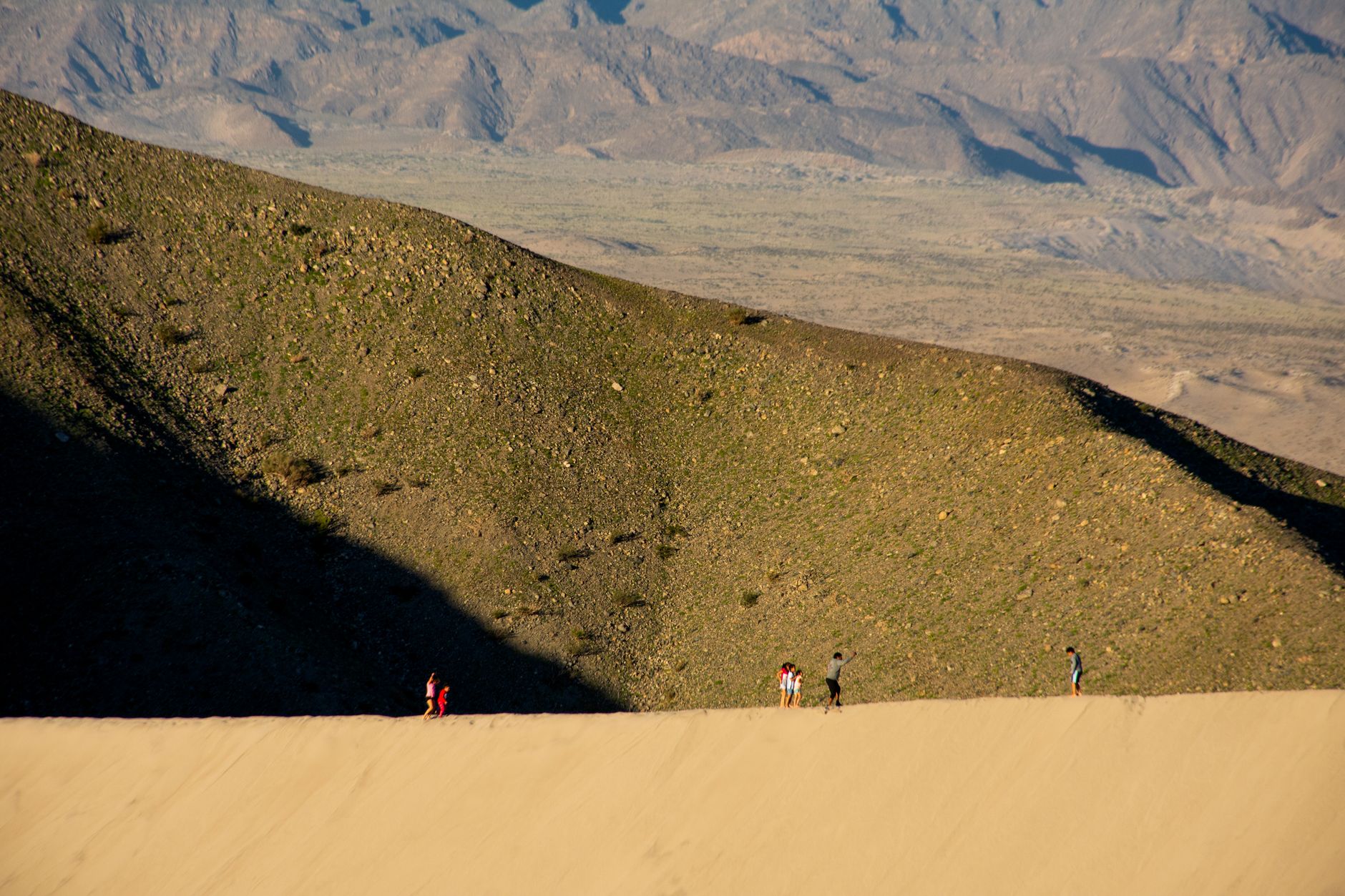
The Atacama Desert is a stunning, arid region located in northern Chile, wedged between the Andes Mountains and the Pacific Ocean. Renowned for its otherworldly landscapes, rich cultural heritage, and extreme climate, it’s a destination that attracts adventure seekers and nature enthusiasts alike. Whether you’re interested in exploring unique geological formations or stargazing in some of the clearest skies on Earth, here’s everything you need to know about where to find the Atacama Desert.
Spanning roughly 1,000 kilometers (about 620 miles) from north to south, the Atacama Desert is often regarded as the driest non-polar desert in the world. It serves as a testament to nature’s unparalleled beauty and resilience. The desert not only offers breathtaking scenery but also unique experiences that make it a worthy stop for travelers. In this guide, we’ll cover key aspects such as getting there, exploring the region, accommodations, and helpful tips for making the most of your journey.
Where Is The Atacama Desert?
The Atacama Desert is situated in northern Chile, primarily within the Antofagasta Region. It stretches from the southern border of Bolivia down to the cities of Antofagasta and Calama, and reaches the Pacific coast to the west. This vast expanse of land presents a variety of ecosystems, ranging from salt flats and volcanoes to vibrant green valleys nourished by occasional rainfall.
Getting to the Atacama Desert
Accessing the Atacama Desert is relatively straightforward, with several options available depending on your travel style. The two primary gateways to the desert are the cities of Calama and San Pedro de Atacama.
By Air
- Calama Airport (CJC): The nearest airport to the Atacama Desert, Calama operates domestic flights from major Chilean cities like Santiago, Antofagasta, and Iquique. Once you arrive, you can take a taxi or shuttle to San Pedro de Atacama, which is about 100 kilometers (approximately 62 miles) away.
- Antofagasta Airport (ANF): While slightly further away, Antofagasta also provides access to the Atacama region. A rental car or bus ride from Antofagasta to San Pedro is an option, though it takes around 4-5 hours.
By Bus
Buses are a popular and cost-effective method for reaching the Atacama Desert. Long-distance bus companies operate routes from Santiago, Antofagasta, and other major cities. Travel times can vary, so checking schedules in advance is wise. From Calama, regular buses head to San Pedro de Atacama.
By Car
If you’re looking for flexibility and adventure, renting a car is a great option. The main routes to consider are:
- From Calama: Take Route 23 towards San Pedro de Atacama. This drive takes about 1.5 to 2 hours, with the stunning landscapes offering plenty of scenic stops along the way.
- From Antofagasta: Drive south on Route 5, then follow Route 23 to reach San Pedro. This route is longer (approximately 4-5 hours) but leads through diverse terrains.
Best Time to Visit the Atacama Desert
The Atacama Desert has a unique climate that makes it suitable for year-round visitations. However, considering seasonal variations can enhances your experience.
Weather Overview
- Dry Season (March to November): This period typically has clear skies and lower temperatures. Daytime temperatures can reach up to 25°C (77°F), while nights can drop to near freezing. This is the best time for stargazing and outdoor activities.
- Wet Season (December to February): While more rain may occur, this period can bring beautiful wildflowers to some areas of the desert, particularly in January and February. Though not advisable for stargazing, it offers a unique landscape.
Suggested Length of Stay
For those looking to explore the highlights of the Atacama Desert, a stay of 3 to 5 days is suggested. This allows ample time to explore the main attractions and possibly venture on some guided tours or hikes without feeling rushed.
Where to Stay in the Atacama Desert
The accommodation options in the Atacama Desert cater to a variety of tastes and budgets, ranging from luxury lodges to budget hostels. San Pedro de Atacama is the primary base for visitors, and it features the majority of lodging options.
Luxury Accommodation
- Explora Atacama: An upscale lodge known for its stunning views, guided excursions, and luxurious amenities.
- Alto Atacama Desert Lodge & Spa: A beautiful sanctuary that integrates into the desert landscape, providing all the pampering you need after a day of exploration.
Mid-Range Options
- Hotel Cumbres San Pedro de Atacama: Stylish and comfortable, this hotel features modern amenities and an on-site restaurant.
- La Casa de Don Tomás: A cozy guesthouse with a friendly atmosphere, ideal for those on a budget who don’t want to sacrifice comfort.
Budget Accommodation
- Hostel Domo: A popular choice among backpackers, featuring shared facilities and a friendly vibe.
- Hostel Kunza: An economical option closer to the main square, offering essential amenities and social areas.
Top Attractions and Activities in the Atacama Desert
The Atacama Desert is packed with incredible attractions, each offering a unique insight into this diverse region. Here are some must-see highlights:
Salt Flats and Lagunas
- Salt Flat of Salar de Atacama: A vast salt flat that offers stunning views of the Andes and is home to a variety of wildlife, including flamingos in certain seasons.
- Laguna Chaxa: Known for its flamingo populations, this lagoon provides a stunning setting for photography and birdwatching.
Geological Wonders
- Valle de la Luna (Valley of the Moon): Famous for its moon-like landscapes, it’s an excellent spot for sunset views and exploration of unique rock formations and sand dunes.
- Los Flamencos National Reserve: A sprawling park that showcases the stunning biodiversity of the area, with numerous hiking trails and viewpoints.
Cultural Experiences
- San Pedro de Atacama: Spend time wandering through this charming town, with its cobblestone streets, local markets, and historic churches.
- Pukará de Quitor: A well-preserved archaeological site that offers insights into the ancient indigenous cultures of the Atacama.
Stargazing
The Atacama Desert is renowned for its unparalleled stargazing opportunities due to its high altitude and low light pollution. Consider joining a guided astronomy tour to witness the Southern Hemisphere’s dazzling night sky.
Transportation in the Atacama Desert
Once in the Atacama Desert, getting around can vary depending on your preferred mode of travel. Here are your options:
Public Transport
San Pedro de Atacama has a network of local buses and shuttle services for getting to nearby attractions. However, schedules can be limited, making it essential to plan ahead.
Guided Tours
Many travelers opt for guided tours to explore the desert, which offer transportation as part of the package. This is particularly useful for visiting remote locations and gaining specialized knowledge about the attractions.
Car Rentals
A rental car gives you the freedom to explore the Atacama Desert at your own pace. Roads are generally well-maintained, but compact SUVs or 4X4 vehicles can be beneficial for navigating unpaved tracks. Make sure to check with rental companies about desert driving policies and best practices.
Food and Drink in the Atacama Desert
The culinary landscape of the Atacama Desert reflects both traditional Chilean fare and local ingredients. Here’s what to expect when dining in the region:
Local Cuisine
- Empanadas: These savory pastries filled with meats, cheese, or vegetables are a staple of Chilean cuisine and make for a perfect meal or snack.
- Pastel de Choclo: A corn pie that includes a filling of meat, olives, and hard-boiled eggs, giving a warm taste of local flavors.
Restaurants to Try
- Café San Pedro: A beloved café known for its local dishes and laid-back atmosphere.
- La Casona: Offering a more upscale dining experience, this restaurant serves traditional Chilean dishes with a twist.
Practical Travel Tips
While exploring the Atacama Desert is generally safe, there are important considerations that can help ensure a smooth trip.
Altitude Awareness
Many areas in the Atacama Desert are situated at high altitudes, which may affect some travelers. It’s advisable to take it slow for the first few days, stay hydrated, and consult a doctor if you have concerns.
Sun Protection
The sun at this altitude can be intense. Sunscreen, sunglasses, and hats are essential items to protect against sunburn.
Stay Hydrated
Despite its arid climate, proper hydration is crucial while traveling in the desert. Always carry water and drink frequently, especially during outdoor activities.
Connectivity
Wi-Fi can be limited in more remote areas, so downloading maps and travel apps in advance can help keep you oriented.
Tips for a Sustainable Visit
Being a unique and fragile environment, the Atacama Desert deserves mindful visitation. Here are ways to minimize your impact:
- Follow marked trails and respect local wildlife.
- Minimize waste by carrying reusable items and disposing of trash properly.
- Consider guided tours with reputable providers that prioritize sustainability and conservation efforts.
In summary, the Atacama Desert is an exceptional destination filled with breathtaking sights and unique experiences. A combination of proper planning, consideration for the environment, and a spirit of adventure will ensure a memorable visit. So, pack your bags and prepare to uncover the wonders of one of the world’s most extraordinary deserts.
For more travel inspiration, check out these guides on the Bean in Chicago and the Virgin River.