
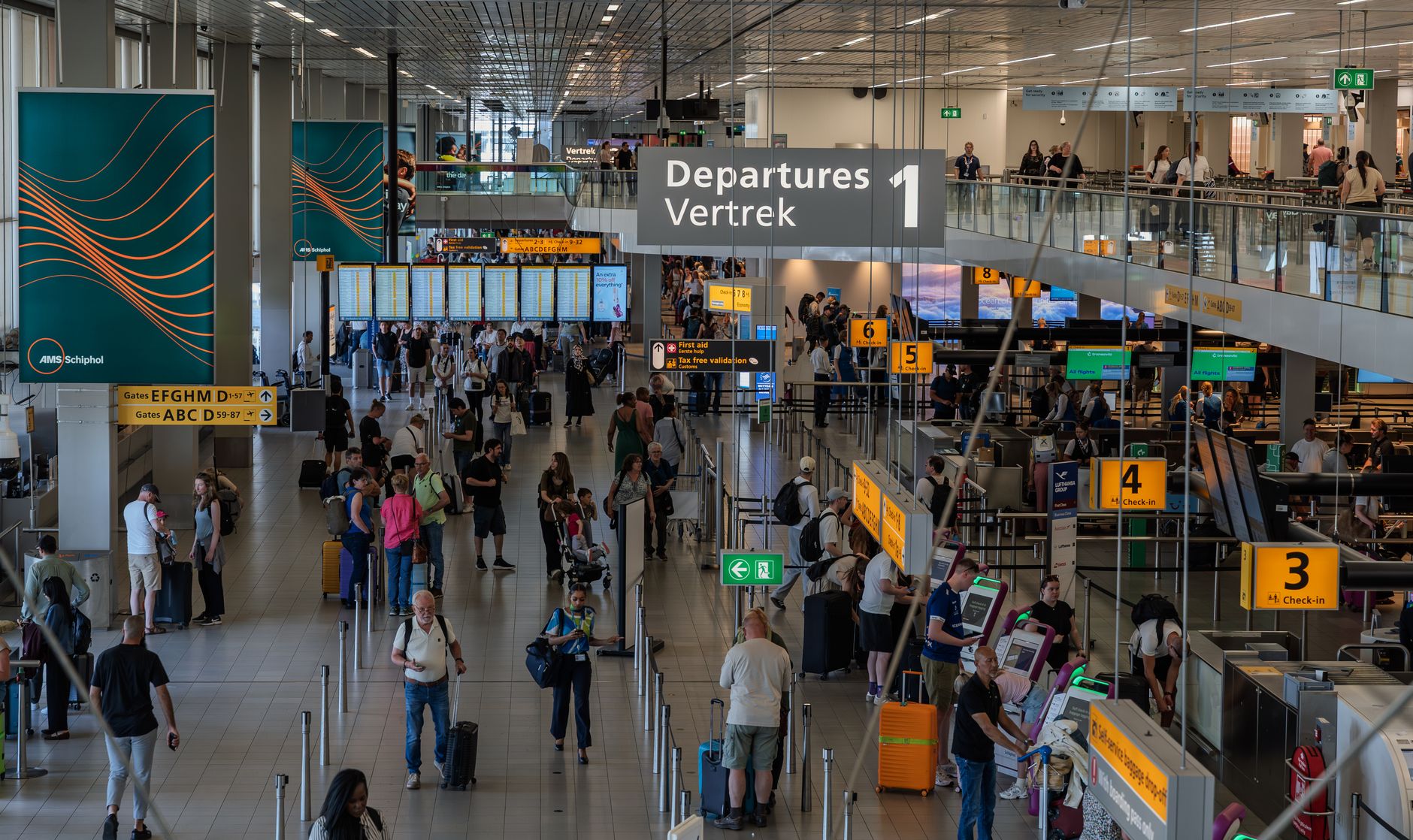
When preparing for a flight, understanding what you can take on a plane is crucial to ensure a smooth and hassle-free journey. With varying regulations depending on airlines and countries, it’s important to familiarize yourself with the rules surrounding both carry-on and checked luggage. This guide outlines essential items you can take along, as well as restrictions to observe.
In this comprehensive article, we’ll cover everything from liquids and electronics to personal items and duty-free purchases. Whether you are traveling for business or leisure, knowing what to pack in your carry-on or checked luggage is vital for a seamless travel experience.
What Can You Take On A Plane?
You can take a variety of items on a plane, but they must adhere to security regulations. Each airline and destination may have its own specific rules, so double-check with your airline before your flight. Generally, you can bring personal items, necessary medications, and certain snacks, but restrictions exist for liquids and sharp objects.
1. Carry-On Allowances and Restrictions
Carry-on luggage provides you with essentials during your flight. Here’s what is generally allowed and restricted.
- Personal Items: Items like your passport, laptop, books, and medication can fit under the seat in front of you. Airlines usually allow one personal item and one carry-on bag per passenger.
- Liquids: You may carry liquids in containers up to 3.4 ounces (100 milliliters), all fitting into a single quart-sized bag. Exceptions apply for baby formula and medications.
- Electronics: Most airlines allow personal electronic devices like laptops and tablets. However, these must be removed from your bag during security screening.
- Food: Solid food items can generally be brought on board. Pack snacks like granola bars, cookies, or nuts.
- Clothing: You can wear or pack any clothing, including jackets, hats, and scarves, although oversized items may need to be checked if space is an issue.
- Prohibited Items: Avoid sharp objects, weapons, flammable items, and certain sports equipment. Always check the latest regulations.
2. Checked Luggage Guidelines
For passengers checking luggage, different rules apply, particularly concerning weight and prohibited items. Familiarity with these regulations is key.
- Weight Limits: Most airlines impose a weight limit of 50 pounds (23 kg) per checked bag. Exceeding this limit typically results in additional fees.
- Prohibited Items: You cannot check items such as explosives, flammable liquids, or certain sharp tools. Check with your airline for specifics.
- Fragile Items: It’s wise to carry fragile belongings within your carry-on when possible, but if they must go checked, ensure they’re well-protected.
- Duty-Free Purchases: Items bought at duty-free shops can be transported, but make sure they comply with your destination’s regulations, especially regarding liquids.
3. Special Considerations for Traveling with Children
Traveling with children often necessitates additional items. Understanding what can be taken aboard for the little ones is essential.
- Baby Formula and Breast Milk: These items are exempt from the liquid restrictions. You can bring sufficient supplies for your journey.
- Diapers and Wipes: Bring enough diapers and wipes in your carry-on for the duration of your travel.
- Strollers and Car Seats: Most airlines allow you to check strollers and car seats free of charge. Confirm with your airline on their policy.
- Entertainment Items: Tablets with children’s content or small toys can keep little ones engaged during the flight.
4. Unique Situations: Pets and Medical Needs
Traveling with pets or managing specific medical needs necessitates a closer look at regulations.
- Pets: Many airlines allow pets to travel in the cabin, provided they fit in an airline-approved carrier. Check the airline’s pet policy and fees beforehand.
- Medications: Always pack necessary medications in their original labeled containers. Keep a list of prescriptions handy.
- Medical Equipment: Items like CPAP machines or wheelchair batteries can typically be brought on board but may need advance notification.
5. Navigating International Travel: Customs Regulations
When flying internationally, customs regulations come into play, which can dictate what you can take on a plane and what can be brought into your destination country.
- Food and Snacks: Some countries have strict regulations on food items. Always declare food products when required.
- Gifts and Purchases: Be aware of duty-free limits when bringing gifts back home or items bought abroad.
- Currency Regulations: Carrying large sums of cash may need declaring based on the destination regulations. It’s wise to verify limits beforehand.
6. Checking Airline-Specific Regulations
Airlines can have unique rules that differ from the general guidelines. Familiarize yourself with the policies of your specific carrier.
- Airline Websites: Visit your airline’s website for their travel guidelines regarding baggage, including dimensions and weight limits.
- Customer Service: If unsure, contacting customer service can clear up specific queries about allowed items.
- Airport Security: Regulations can differ by country, so review your airport’s guidelines and check for updates regularly.
7. Packing Tips for a Smooth Experience
Effective packing is all about minimizing hassle at the airport and on the plane.
- Pack Smart: Place frequently-used items at the top of your bag for easy access during security screening.
- Utilize Packing Cubes: These help organize clothes and make efficient use of space, enabling quick access to your belongings.
- Label Your Bags: Ensure your bags are labeled with your name, contact number, and address to avoid confusion.
- Consider Layering: Instead of packing bulky items, wear your heaviest garments on the plane to save space.
8. Common Mistakes to Avoid
Being aware of common mistakes can prevent stress during your travels.
- Not Checking Regulations: Always verify what you can bring before heading to the airport to avoid surprises.
- Packing Prohibited Items: Avoid packing any sharp or restricted items in your carry-on, which can delay your passage through security.
- Ignoring Connections: Transferring between flights may involve different airlines with varying regulations. Check them ahead of time.
- Forgetting to Declare: If traveling internationally, always declare items if required, as failures can lead to fines or confiscation.
9. Traveling Tips for First-Time Flyers
For those flying for the first time, some added tips can facilitate your travel experience.
- Arrive Early: Aim to arrive at the airport at least two hours before domestic flights and three hours for international flights.
- Wear Comfortable Clothes: Dress comfortably, considering you’ll be in your seat for a while.
- Stay Hydrated: Drink water before and during your flight to prevent dehydration, but keep in mind liquid restrictions for travel.
- Follow the Queue: Pay attention to signs and listen to announcements to ensure you’re in the right place at the right time.
10. Understanding Security Procedures
Understanding what to expect during airport security can ease travel anxiety.
- Remove Belongings: Be prepared to take off shoes, belts, and jackets, and remove laptops and liquid bags from your carry-on.
- Be Ready for Scanning: You may need to pass through a metal detector or body scanner. Follow instructions from TSA agents.
- Keep Your ID Handy: Always have your boarding pass and ID at the ready to speed up the process.
Final Thoughts on Packing for Air Travel
Traveling by plane demands organization, awareness of regulations, and strategic packing. Being prepared for what you can take on a plane is paramount to enjoying a smooth travel experience. Always verify the rules regarding your specific carrier and destination, and stay updated about any changes. Keeping these regulations in mind will help eliminate unnecessary stress on the day of your flight.
For more travel tips, check out articles like how many ounces you can take on a plane and what is not allowed on a plane carry-on. They provide additional valuable insights into packing and travel regulations.