
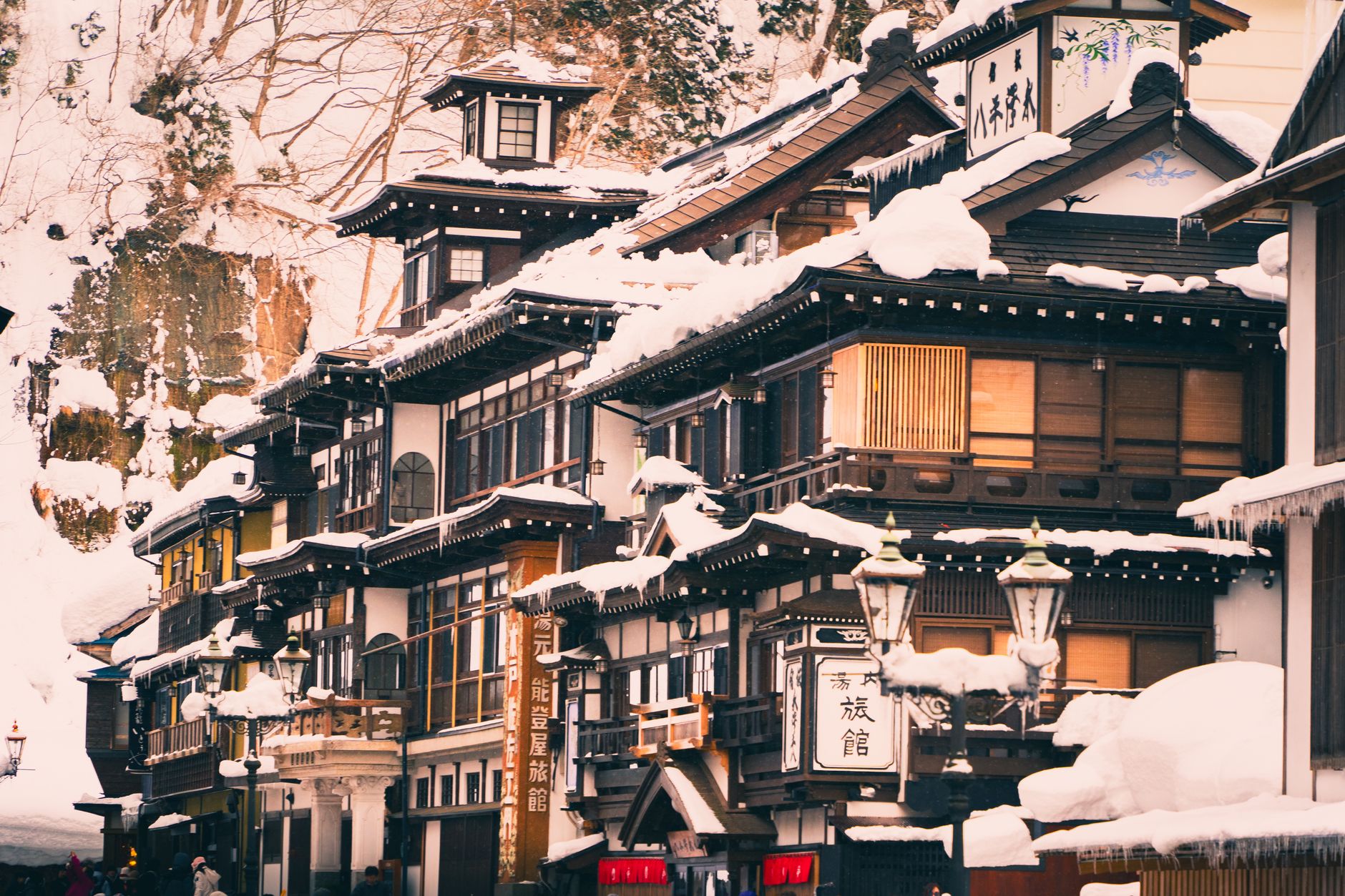
Onsen, the quintessential Japanese hot spring, is not just a bath; it’s a cultural experience that beautifully intertwines relaxation, tradition, and wellness. These geothermal springs are famous for their rejuvenating properties, contributing to both physical and mental well-being. For travelers, visiting an onsen offers insights into local customs and an opportunity to unwind in stunning natural surroundings.
From serene mountain retreats to bustling town facilities, onsens vary widely in setting and offerings. Understanding what an onsen is, how to enjoy one, and what to expect can enhance your visit to Japan. This guide provides comprehensive details on onsens, including their history, etiquette, types, and tips for finding the best experiences during your trip.
What Is An Onsen?
An onsen is a natural hot spring in Japan where the geothermal waters are heated by volcanic activity. The water is rich in minerals, making it popular for bathing due to its therapeutic properties. Onsen culture is deeply rooted in Japanese history and is enjoyed by locals and tourists alike. Outdoor onsens, or ‘rotenburo’, set in beautiful landscapes, are especially sought after.
The History of Onsens
Onsen bathing has been part of Japanese culture for over a thousand years, beginning in the 8th century. Originally viewed as sacred locations, these hot springs were believed to have healing powers. Over time, onsens evolved into social hubs where people gather to relax, regenerate, and connect with one another. Each region boasts its distinct onsen, reflecting local history and traditions.
Types of Onsens
Onsens can be categorized into several types, each offering unique experiences:
- Public Onsens (Sento): These are communal bathhouses that often take the form of large public facilities. They may have multiple baths featuring different water temperatures or mineral compositions.
- Ryokan Onsens: Many traditional Japanese inns, or ryokans, have on-site hot springs that cater to their guests. Staying at a ryokan provides an immersive onsen experience along with traditional Japanese meals.
- Private Onsens: For those seeking privacy, many ryokans and hotels offer private onsen rooms. This allows individuals or families to enjoy the hot spring experience without communal bathing.
- Rotenburo: Outdoor onsens that provide stunning views of nature, often located among mountains, forests, or near rivers.
- Geo-Thermal Springs: Some onsens rely on hot springs that flow directly from volcanic sources, offering unique minerals and temperatures.
Benefits of Visiting an Onsen
Bathing in an onsen provides numerous health benefits due to its mineral-rich waters. Here are some key advantages:
- Relaxation: The soothing heat helps to relieve muscle tension and stress, enhancing your overall sense of well-being.
- Improved Circulation: The hot water stimulates blood circulation, which can aid in recovery from injuries and chronic pain.
- Skin Health: Many minerals found in onsen water, such as sulfur and magnesium, are beneficial for skin conditions and can improve overall skin health.
- Cultural Experience: Engaging in traditional onsen etiquette offers insights into Japanese culture, history, and social practices.
Onsen Etiquette
Understanding the etiquette associated with onsens is essential for a respectful and enjoyable experience. Here are some important tips to keep in mind:
- Wash Before Bathing: Before entering the onsen, you must thoroughly wash your body at the provided shower stations. This is a critical aspect of onsen etiquette.
- Swimwear Not Allowed: Onsens are typically enjoyed nude, though some may allow swimwear in private settings. Always check the rules of the specific onsen.
- Quiet Atmosphere: Maintain a respectful silence in the bathing areas to ensure a peaceful experience for all guests.
- Towel Usage: Small towels can be used to modestly cover oneself when walking to and from the bath. However, do not bring towels into the water.
- No Photography: To protect the privacy of others, photography is generally prohibited in the bathing areas.
Where to Find Onsens in Japan
Japan is dotted with onsens across every region, offering various experiences tailored to different preferences. Here are some of the most famous onsen destinations:
Hakone
Located about 90 minutes from Tokyo, Hakone is a mountainous area famous for its hot springs and views of Mt. Fuji. Visitors can enjoy multiple onsens set against stunning backdrops of nature, making it a popular getaway for urban dwellers.
Kusatsu
Kusatsu Onsen in Nagano Prefecture is renowned for its high-quality sulfuric waters, said to cure a variety of ailments. The iconic Yubatake (hot water field) in the town’s center is a must-see, along with numerous public baths.
Noboribetsu
In Hokkaido, Noboribetsu Onsen is home to unique geothermal activity, with a variety of hot springs and therapeutic baths. The area is scenic and ideal for enjoying nature along with onsen experiences.
Beppu
Beppu in Oita Prefecture boasts the most onsens in Japan, featuring a range of hot spring types—including mud and steam baths. The “Hell Tour” showcases natural hot springs that are more for viewing than bathing.
Gero Onsen
Often considered one of Japan’s top three onsens, Gero Onsen offers visitors various public facilities and ryokans. It’s set in a picturesque river valley and provides a relaxing atmosphere.
How to Get to an Onsen
Accessing onsens can vary based on their location. Many onsens are reachable via public transportation, while others may require car rentals. Here’s a general guide:
- Train: Most major cities, such as Tokyo and Osaka, offer train services to nearby onsen towns. Rail passes, like the Japan Rail Pass, can provide cost-effective travel options.
- Bus: Overnight buses are available to various onsen destinations and are a budget-friendly alternative to train travel.
- Rental Car: For remote onsens, renting a car may provide convenience and flexibility. This is especially useful for reaching hidden gems not easily accessible by public transport.
What to Bring When Visiting an Onsen
Being prepared for an onsen visit will enhance your experience. Here’s a checklist of things to consider:
- Personal Toiletries: Some onsens provide amenities, but it’s advisable to carry your own shampoo, conditioner, body wash, and other toiletries.
- Swimwear (if applicable): As mentioned earlier, check if swimwear is allowed in private onsens.
- Towel: A small towel is recommended for modesty while walking and should be used only to dry off afterward.
- Flip Flops: These are practical for walking around the onsen facility.
- Water Bottle: Staying hydrated is essential, especially after bathing.
Best Seasons to Visit Onsens
Your choice of when to visit an onsen can significantly influence your experience. Each season offers unique advantages:
- Spring (March to May): Enjoy cherry blossoms against the backdrop of hot springs, making for picturesque views.
- Summer (June to August): The heat can be intense, but many onsens offer cooling outdoor settings. Festivals often accompany summer seasons, adding local charm.
- Autumn (September to November): This is a popular time for onsen visits, with beautiful foliage enhancing the scenery.
- Winter (December to February): Nothing compares to soaking in a hot spring while it snows around you. It’s a magical, serene experience.
Accommodation Options Near Onsens
Finding suitable accommodation near your chosen onsen is crucial for a seamless experience. Options vary, including:
- Ryokan: Traditional inns often featuring their own onsens. Staying here grants you access to in-house baths as well as local experiences, including kaiseki meals.
- Hotels: Both upscale and budget hotels are available close to famous onsen towns. Many feature on-site onsens for their guests.
- Hostels: Suitable for budget travelers, some hostels are located near onsen areas and may offer shared bathing facilities.
Budget Considerations for Visiting an Onsen
Budgeting for an onsen experience can vary widely depending on the location, type of onsen, and your preferences. Here are a few key costs to consider:
- Entrance Fees: Public onsens charge entrance fees, typically ranging from 500 to 2000 yen. Prices can vary based on facilities and services offered.
- Accommodation Costs: Ryokans can be more expensive than standard hotels due to the inclusive meals and onsen access. Prices can start from 10,000 yen per person per night.
- Transport Fees: Budget for train or bus fare to your chosen onsen destination. Depending on the distance, costs may vary.
Safety Considerations
While visiting an onsen, certain safety considerations will help you to enjoy your time fully:
- Health Precautions: If you have any medical concerns, consult with your doctor before soaking, especially if you are pregnant or have specific health conditions.
- Hydration: Always drink plenty of water, as the heat can lead to dehydration.
- Supervision for Families: If visiting with children, keep an eye on them at all times and ensure they are comfortable with the temperature.
Conclusion
Visiting an onsen is a unique and enriching experience that blends relaxation with the traditions of Japanese culture. By understanding what an onsen is, the types available, and the proper etiquette, you can fully enjoy this rejuvenating experience during your travels in Japan. Consider planning your onsen visit according to the seasons and choose accommodations that complement your journey.
If you’re seeking more tips on your travels, check out our guides on where to stay in Osaka and what Japan is known for.