
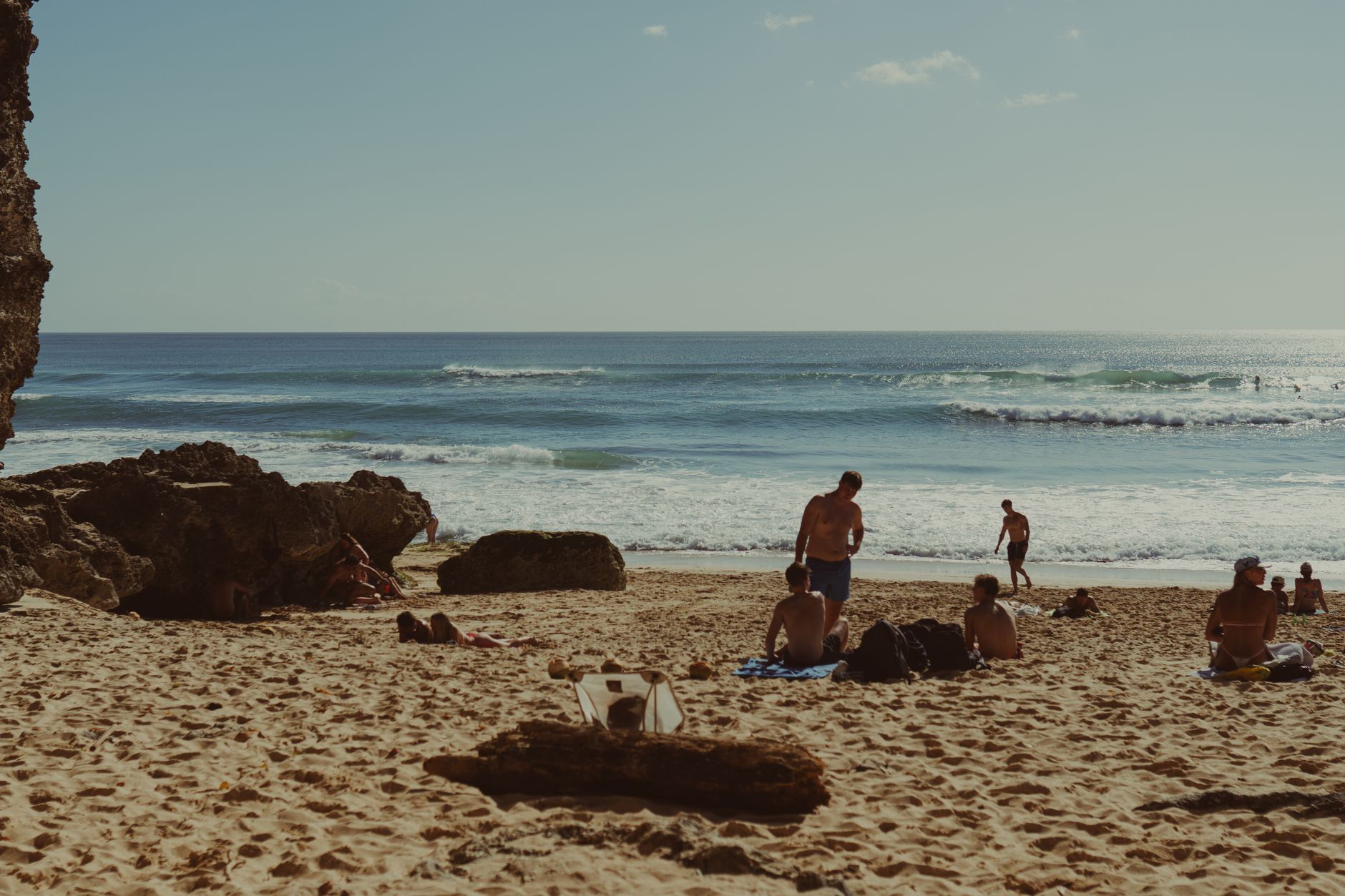
Aruba, a stunning Caribbean island known for its pristine beaches and vibrant culture, attracts many travelers each year. While it offers an array of beautiful landscapes and exciting activities, one common question arises: is Aruba expensive?
Determining the cost of a trip to Aruba depends on various factors including accommodation, food, activities, and transportation. This guide aims to offer a detailed insight into the costs associated with visiting Aruba, helping you plan your dream vacation on a budget that suits you.
Is Aruba Expensive?
Yes, Aruba can be considered expensive compared to many other Caribbean destinations. The costs vary, but travelers often find prices for accommodation, dining, and activities to be on the higher side. However, with careful planning and budgeting, you can enjoy Aruba without breaking the bank.
Understanding the Cost of Accommodation in Aruba
Accommodation can significantly impact your overall travel budget. Aruba offers a range of lodging options to accommodate different budgets.
- Luxury Resorts: Upscale resorts and hotels such as the Ritz-Carlton and Marriott typically charge between $300 and $600 per night. These hotels often provide luxurious amenities, stunning beachfront views, and exclusive services.
- Mid-Range Hotels: Mid-tier accommodations like established boutique hotels or quality hotels such as the Divi Village Golf and Beach Resort usually charge between $150 and $300 per night. These options may offer good amenities but are less extravagant than luxury resorts.
- Budget Options: Travelers seeking cheaper lodgings can find hostels and budget hotels starting from $50 to $150 per night. Airbnb and vacation rentals may also provide cost-effective options for families and groups.
Dining Out: Understanding Aruba’s Culinary Costs
Food is another crucial aspect of your Aruba trip budget. Dining out can vary widely in price based on your choices.
- High-End Restaurants: Dining at upscale establishments can cost from $40 to $100 per person, depending on the restaurant and menu selections. Aruba’s culinary scene features local and international cuisine, making it a fun experience.
- Mid-Range Restaurants: A meal at a mid-priced restaurant generally ranges from $20 to $40 per person. This price range allows you to enjoy good quality meals without overspending.
- Budget Eats: For those on a tighter budget, local diners and food trucks offer meals for around $10 to $20. You can try traditional Aruban dishes like keshi yena and pastechi without spending too much.
Transportation Costs in Aruba
Getting around Aruba can also affect your overall travel costs. Here are the main transportation options to consider:
- Car Rentals: Renting a car is a popular choice for visitors. Daily rental rates range from $40 to $75, plus fuel costs. Renting allows you the flexibility to explore the island.
- Public Buses: The Aruban public bus system offers an economical option. However, buses may not reach more remote areas and run on specific schedules. Expect to pay around $2 for a fare.
- Taxis: Taxi fares in Aruba tend to be higher than in other destinations. Starting fares generally hover around $6-$10, depending on your destination.
Activities and Entertainment Costs
Your itinerary will dictate a large portion of your budget as well, considering the various activities available in Aruba.
- Water Sports: Engaging in water activities such as snorkeling, scuba diving, and windsurfing typically costs between $40 and $150 per person, per activity, depending on the provider and the length of the tour.
- Excursions: Island excursions, which may include snorkeling trips or guided tours, generally range from $50 to $120 per person.
- National Parks and Beaches: While many of Aruba’s stunning beaches are free to access, some parks may charge a small entrance fee, usually under $10. Keep in mind that attractions like the Arikok National Park require entrance fees for access.
Shopping and Souvenirs: Budget Considerations
Shopping can be a fun experience, but budget accordingly if you’re hoping to bring home souvenirs.
- Local Markets: Stalls and local markets provide a selection of handicrafts and local products. Prices can vary, but you might spend anywhere from $5 to $50.
- Duty-Free Shops: Aruba’s duty-free shops offer tax-free items which can be a good investment, especially for spirits, cosmetics, and jewelry.
Best Time to Visit Aruba and Budget Considerations
The timing of your visit will affect your travel costs significantly. The peak tourist season runs from December to April, with prices reaching their highest due to demand. Conversely, consider traveling during the shoulder months, such as late April to early June or September to November, when prices may drop by 20-30% or more.
A Realistic Suggested Length of Stay
When planning your Aruba trip, a stay of about five to seven days is recommended. This duration allows time to explore the island’s many attractions, indulge in water sports, and relax on the gorgeous beaches without feeling rushed.
Practical Budgeting Tips
Adhering to these practical budget tips can help you maximize your Aruba experience while keeping costs in check:
- Package Deals: Look for bundled vacation packages that include flights and accommodations, often providing cost savings compared to booking separately.
- Be Flexible: Being open to traveling during less popular months or weekdays can save you significantly on flights and accommodation.
- Cook Your Own Meals: If you stay in a place with a kitchen, consider preparing some meals to minimize eating out expenses.
- Free Activities: Incorporate free activities into your itinerary, from beach days to hiking in national parks.
Accessibility in Aruba
Aruba is generally considered accessible for travelers with disabilities, as many hotels, restaurants, and attractions cater to varying needs. However, it’s essential to research specific facilities and request accommodations in advance to ensure a smooth experience.
Family-Friendly Considerations
If you’re traveling with family, Aruba offers numerous kid-friendly activities. Look for family accommodations offering kids’ clubs or child-friendly menus. Many attractions, such as the butterfly farm or palm beach, also cater to families.
Travel Safety and Precautions
While Aruba enjoys a reputation as a safe tourist destination, basic precautions should always be taken. Keep your belongings secure, avoid displaying valuables publicly, and stay cautious during nighttime activities. Always consult current local advisories to stay informed.
Conclusion
In summary, while Aruba can be categorized as expensive, it offers a variety of options to fit different budgets. An understanding of costs can enable travelers to customize their experience according to their preferences and financial capabilities. So, whether you are seeking luxury or a budget-friendly adventure, Aruba can meet your holiday aspirations.
For more travel inspiration, explore our guides on the ABC Islands and immigration requirements for traveling to Aruba.