
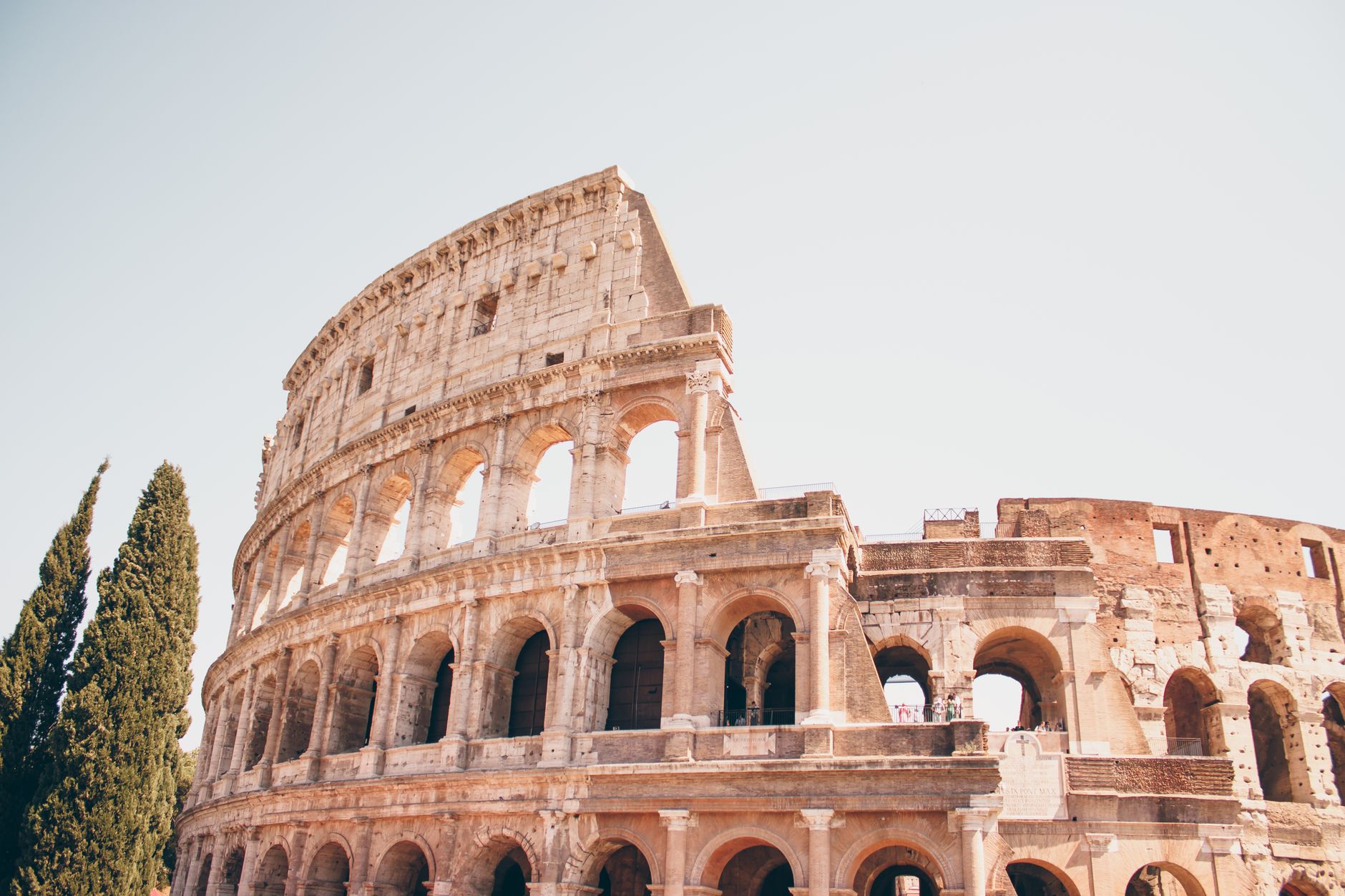
The Colosseum, an iconic symbol of Ancient Rome, is a grand amphitheater that has fascinated millions of visitors. This architectural masterpiece is not just a historical landmark; it represents the ingenuity and skill of Roman engineering, standing as a testament to the grandeur of an era long past. In this guide, we’ll explore what the Colosseum is, why it is worth visiting, and practical tips for your journey.
Situated in the heart of Rome, the Colosseum, also known as the Flavian Amphitheatre, attracts travelers seeking to immerse themselves in ancient history and culture. From its origins to contemporary significance, this article will help you understand and appreciate the complexities surrounding one of the world’s most famous monuments.
What Is The Colosseum?
So, what is the Colosseum? The Colosseum is a large elliptical amphitheater built during the Roman Empire. Completed around 80 AD under Emperor Titus, it hosted gladiatorial contests and public spectacles. This architectural marvel measures 189 meters in length, 156 meters in width, and stands approximately 48 meters tall, making it the largest amphitheater ever constructed.
Historical Significance
The Colosseum has played a significant role throughout history, serving as a center for entertainment and public events. It is estimated that it could hold between 50,000 to 80,000 spectators, providing them with a thrilling experience through gladiator battles, animal hunts, and mock naval battles.
Engineering Feats
The ingenuity of the Colosseum’s design is remarkable. Constructed using concrete and sand, its three levels of arches support a complex system of vaults. The combination of the Doric, Ionic, and Corinthian architectural styles creates a unique aesthetic appeal. The innovative use of materials not only ensured structural integrity but also facilitated quick evacuation of spectators in case of emergencies.
Cultural Impact
The Colosseum’s cultural impact extends beyond its architectural brilliance. It symbolizes the might of the Roman Empire and has become synonymous with Rome itself. Throughout various periods, the structure has been a source of inspiration in literature, art, and modern cinema.
Why Visit The Colosseum?
Visiting the Colosseum is a must for anyone traveling to Rome. It provides insights into Roman history and culture, showcasing the grandeur and sophistication of a civilization that has influenced many aspects of modern life. The experience of walking through the ancient ruins captivates visitors, allowing them to imagine the events that took place within its walls.
Who Should Visit?
The Colosseum appeals to a wide array of travelers. History enthusiasts, architecture lovers, families, and even casual tourists will find something of interest. Guided tours cater to various preferences, making it accessible for individuals of all ages and backgrounds.
Planning Your Visit
To make the most of your visit to the Colosseum, careful planning is crucial. Below are some essential tips to enhance your experience.
Best Time to Visit
The Colosseum is a popular attraction, so consider visiting during off-peak times. Early morning or late afternoon visits often result in shorter queues. If you are considering a visit during peak tourist season (late spring to early fall), planning your trip during weekdays may help avoid crowds.
Length of Stay
A typical visit to the Colosseum lasts about 1-2 hours, allowing you to explore the arena, learn about its history, and take captivating photographs. If you plan to visit other attractions nearby, consider allocating a full day for the ancient Roman area.
Accessing The Colosseum
Getting to the Colosseum is relatively straightforward, given its central location in Rome.
Transportation Options
- Metro: The nearest metro station is Colosseo on Line B, just a short walk from the monument.
- Bus: Several bus lines stop near the Colosseum. Check current schedules for available routes.
- Walking: If you’re staying in central Rome, walking is a pleasant way to reach the site while enjoying the city’s atmosphere.
Buying Tickets
It is advisable to purchase tickets in advance, especially during peak season. Options include standard entry tickets and guided tours, which often provide skip-the-line access. Exploring the Colosseum with a knowledgeable guide can offer richer insights, making the experience more meaningful.
Exploring the Colosseum
Once inside the Colosseum, several areas and attractions await your discovery.
Key Areas to Visit
- The Arena: Once the stage for gladiatorial games, this area holds significant historical value and allows for impressive photo opportunities.
- The Hypogeum: Explore the underground chambers where gladiators and animals were kept before battles.
- Upper Levels: Don’t miss the chance to ascend to the upper levels for breathtaking views of the structure and the surrounding areas.
Nearby Attractions
Take advantage of your visit by exploring other historical sites near the Colosseum.
The Roman Forum
The Roman Forum, located adjacent to the Colosseum, was once the center of political and social life in ancient Rome. It offers ruins of important government buildings and temples, making it a perfect extension of your Colosseum visit.
Palatine Hill
Palatine Hill, one of the seven hills of Rome, provides stunning views of the Forum and Circus Maximus. An exploration here allows travelers to learn about the origins of Rome and enjoy a tranquil atmosphere amid ancient ruins.
The Capitoline Museums
Located within a short walking distance, the Capitoline Museums house an extensive collection of art and artifacts, providing context to the historical significance of the city.
Accommodation Options
Finding a place to stay in Rome can greatly enhance your travel experience. Here are suggestions categorized by budget type.
Luxury Accommodation
- Hotel Palazzo Manfredi: Featuring views of the Colosseum, this hotel offers elegance and top-notch amenities, perfect for a luxurious stay.
- Rome Cavalieri: Located slightly outside the city center, it offers expansive grounds and extraordinary views.
Mid-Range Options
- Hotel Raffaello: Centrally located, this hotel offers comfortable accommodations and is within walking distance to the Colosseum.
- B&B Testa di Moro: A charming and affordable option close to the attractions.
Budget-Friendly Stays
- Hostel Alessandro Palace: A vibrant hostel popular among backpackers, with social events and tours available.
- Generator Rome: A stylish hostel that provides a welcoming atmosphere and modern facilities.
Dining Options Near The Colosseum
Experiencing Italian cuisine is essential during your trip. Here are a few dining spots to consider near the Colosseum:
Casual Dining
- Pizzeria da Baffetto: Famous for its traditional Roman-style pizza.
- Hostaria Romana: Offers authentic Roman dishes in a cozy setting.
Upscale Dining
- Sette Soldi: A contemporary restaurant celebrated for its refined Italian dishes.
- Matermatuta: Known for innovative takes on Italian classics and excellent service.
Practical Tips for Visiting the Colosseum
To ensure a smooth visit, keep these practical tips in mind:
- Dress Appropriately: Wear comfortable shoes, as you will be walking on uneven surfaces.
- Stay Hydrated: Bring water or purchase it onsite to stay hydrated, especially during warmer months.
- Respect the Site: Be mindful of the historical significance and avoid disruptive behavior.
- Check for Accessibility: The Colosseum has facilities for individuals with mobility challenges; inquire in advance.
Safety Considerations
As with any popular tourist destination, safety is a priority. Here are some tips to keep in mind:
- Be aware of your surroundings and limit distractions from your belongings.
- Avoid solicitors and people selling merchandise near the entrance.
- Stay close to your group, especially in crowded areas.
Conclusion
The Colosseum is not merely an attraction; it embodies the spirit of ancient Rome and is a monumental reminder of its historical legacy. With careful planning, you can maximize your experience at this remarkable site. Consider your timing, accommodation, dining, and nearby attractions to create a fulfilling itinerary. Make a trip to the Colosseum a highlight of your Roman adventure!
For further reading, explore guides on what the Colosseum was used for at What Was The Colosseum Used For? or learn more about the construction timeline in When Was The Colosseum Built?.