
Machu Picchu, the iconic Incan citadel set high in the Andes Mountains, is a dream destination for many travelers. Its breathtaking ruins, rich history, and stunning vistas offer an unforgettable experience. This guide covers everything you need to know about getting to Machu Picchu, including transportation options, entry tips, and planning your journey.
Whether you’re hiking the Inca Trail or taking a train from Cusco, preparing for your trip is essential. With the right knowledge, you can maximize your experience and enjoy this ancient wonder.
How to get to Machu Picchu?
To get to Machu Picchu, you typically travel to Cusco first, which serves as the main gateway. From there, you can either take a train or hike to access the site. The journey depends on your preference for adventure versus convenience.
Understanding the Route to Machu Picchu
Most visitors start their journey in Cusco, which is around 70 kilometers (43 miles) from Machu Picchu. There are various ways to get from Cusco to Machu Picchu, including the popular train routes and trekking options. Here are some common travel methods:
- By Train: The most comfortable and scenic way to travel.
- By Trekking: Hiking options include the Inca Trail and other lesser-known trails.
- By Road: Options also exist for those preferring a combination of transport modes.
Getting to Cusco
Before reaching Machu Picchu, you need to fly or drive to Cusco. Here’s how to get there:
By Air
Cusco is served by Alejandro Velasco Astete International Airport (CUZ), which connects to major cities in Peru, including Lima. Daily flights operate between these cities. If you’re arriving from outside Peru, you’ll likely need to fly into Lima first and then take a domestic flight to Cusco.
By Road
If you prefer buses or cars, long-distance buses run from cities like Lima and Puno to Cusco. However, this option takes significantly longer (approx. 24 hours from Lima). It’s suitable for those who want to admire the landscapes along the way.
Traveling from Cusco to Machu Picchu
Once you arrive in Cusco, you have several options for getting to Machu Picchu. The most popular choices are by train or by hiking the Inca Trail.
Taking the Train
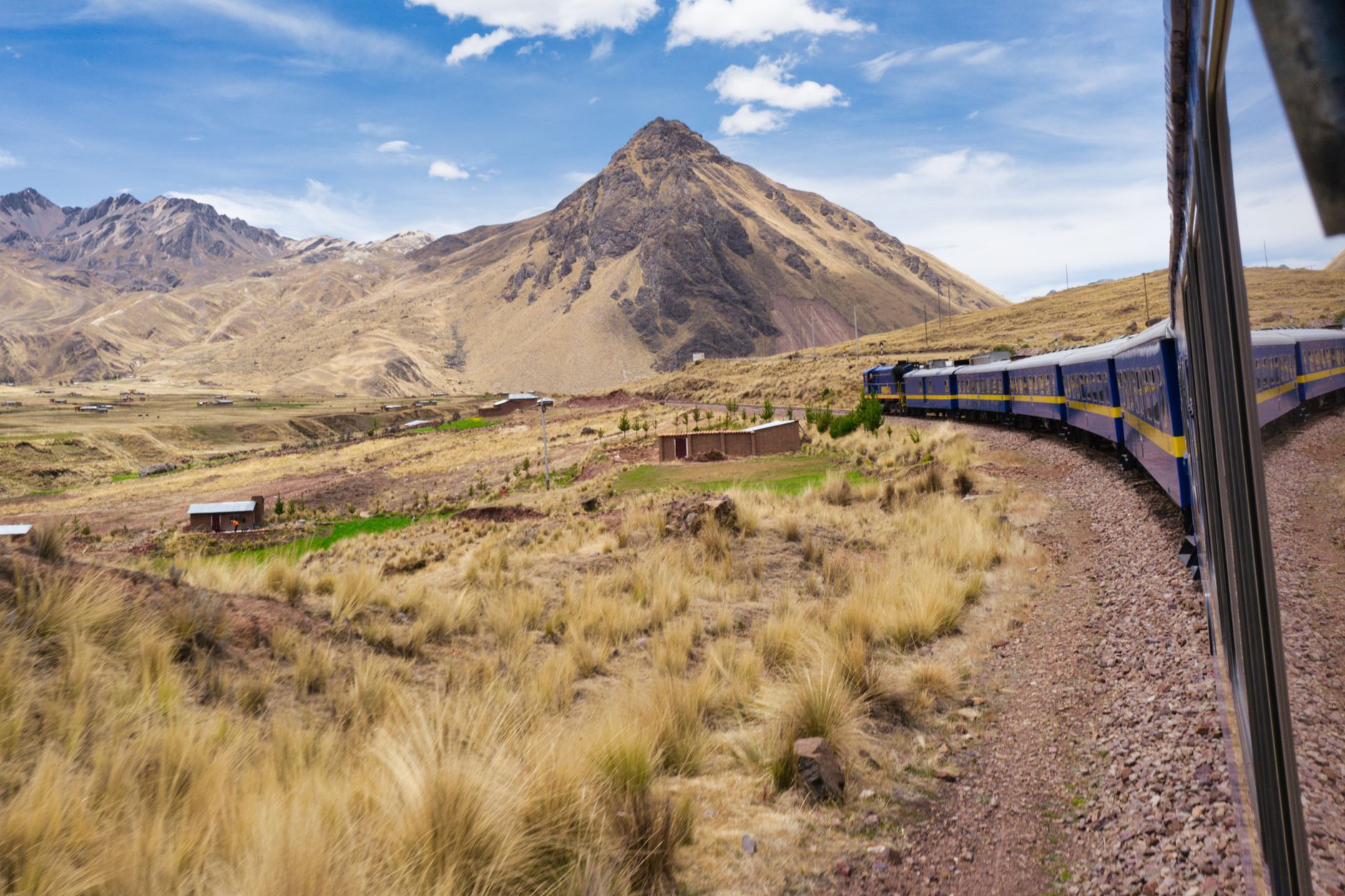
Two main train services operate between Cusco and Machu Picchu: PeruRail and Inca Rail. Both offer beautiful scenic rides through the Sacred Valley:
- PeruRail: Connects Cusco to Aguas Calientes (the town near Machu Picchu). Different service classes are available, from budget to luxury options.
- Inca Rail: Offers similar routes with various comfort levels. The Voyager service is often the most economical.
It is advisable to book your train tickets in advance, as they can sell out, especially during peak season (May to September). Train travel takes about 3.5 to 4 hours from Cusco to Aguas Calientes.
Hiking the Inca Trail
The Inca Trail is one of the most famous treks in the world, taking about four days to complete. Here are key points to consider:
- Permits: Limited permits are available, and they sell out quickly, often many months in advance.
- Guided Treks: You’ll need to book a guided tour, as independent trekking is prohibited.
- Difficulty: The trek is challenging and requires good physical fitness. Higher elevation can also impact some hikers.
For those with less time, shorter treks like the 2-Day Inca Trail or alternative hikes such as the Salkantay Trek offer great options that lead to Machu Picchu.
Alternative Treks to Machu Picchu
If the Inca Trail is unavailable or you prefer a less crowded experience, several alternative treks lead to Machu Picchu:
- Salkantay Trek: A five-day hike that offers stunning mountain scenery.
- Lares Trek: A cultural trek that passes through traditional Andean villages.
- Choquequirao Trek: A more strenuous trek that leads to the ancient ruins of Choquequirao.
Arriving in Aguas Calientes
Aguas Calientes is the access point for Machu Picchu. Once you arrive, you have a few options for getting to the ruins:
Bus Option
The easiest method is to take one of the frequent shuttle buses that operate from Aguas Calientes to the entrance of Machu Picchu. Buses run every 10-15 minutes, and the ride takes about 30 minutes. Tickets can be purchased at the bus station in Aguas Calientes.
Walking Option
For those who are physically fit and prefer walking, you can hike the steep path from Aguas Calientes to the entrance of Machu Picchu. This can take about 1.5 to 2 hours and offers beautiful views along the way.
Planning Your Visit to Machu Picchu
Once you’ve made your way to the site, here’s what you need to know for your visit:
Entry Tickets
Entry to Machu Picchu requires a ticket, which should be purchased in advance, especially during peak travel months. Tickets come in various categories, such as basic entry and guided tours. You can purchase tickets online through the official government website or authorized agents.
Timing Your Visit
A common strategy is to arrive early to explore before the crowds flood in. The site generally opens at 6:00 AM, and that’s an excellent time for breathtaking sunrise views. Allocate 2 to 4 hours for exploring the ruins depending on your interest level.
Guided Tours vs. Self-Guided
While it’s possible to visit Machu Picchu without a guide, hiring one can enhance your experience by providing valuable context about the site’s history and significance. Group tours and private guides are available for hire in Aguas Calientes.
Tips for Visiting Machu Picchu
To make the most of your visit, consider these practical tips:
- Weather Considerations: The best time to visit is during the dry season (May to September). Be prepared for rain during other months.
- Pack Wisely: Bring snacks, water, sun protection, and a good camera to capture the breathtaking views.
- Wear Comfortable Shoes: The terrain can be uneven, so comfortable hiking shoes are a must.
- Observe Opening Times: Check the official website for the most current opening hours, as they can vary.
Accommodation Options
Aguas Calientes offers various accommodation options to suit different budgets. Here are some choices:
Budget Accommodation
Hostels and budget hotels provide basic amenities for travelers looking to save money. Typical prices range from $10 to $30 per night.
Mid-Range Hotels
For travelers seeking a bit more comfort, mid-range hotels offer amenities like breakfast and scenic views. Expect prices between $30 and $100 per night.
Luxury Options
For a luxurious experience, consider staying at upscale hotels like the Inkaterra Machu Picchu Pueblo Hotel, which combines elegant accommodations with stunning views of the surroundings. Prices may exceed $300 per night.
Budget Considerations for Visiting Machu Picchu
Planning your budget is crucial for a successful trip to Machu Picchu. Here’s a breakdown of possible expenses:
Transportation Costs
Traveling to and from Cusco and Aguas Calientes can vary widely depending on your chosen method of transport:
- Flights to Cusco: Approx. $80-$200 each way from Lima.
- Train fare: Ranges from $50 (economy) to over $200 (luxury) each way.
- Bus from Aguas Calientes to Machu Picchu: Around $12 one way.
Accommodation Costs
As mentioned, accommodation can vary significantly. Budget travelers can find options as low as $10, while luxury accommodations can exceed $300 per night.
Entry and Tour Costs
Machu Picchu ticket prices vary, typically ranging from $50 to $75, depending on the type of ticket and whether you choose to include a guided tour.
Food and Drink
Dining options in Aguas Calientes range from street food to upscale dining:
- Budget: $5 to $15 for meals at local eateries.
- Mid-Range: $15 to $30 for nicer restaurants.
- Luxury: $30 to $75 for fine dining experiences.
Best Time to Visit Machu Picchu
The timing of your visit can significantly impact your experience. Here are some aspects to consider:
Peak Season
The peak tourist season runs from May to September. During this time, the weather is drier, making it ideal for hiking and sightseeing. However, expect larger crowds.
Shoulder Season
The shoulder months (April and October) offer a nice balance of fewer tourists and reasonable weather. It’s a great option if you want to avoid the peak crowds.
Off-Season
November to March is considered the off-season due to the rainy weather. While fewer tourists are present, be prepared for potential trail and site closures, especially if you’re considering hiking routes.
Accessibility Considerations
Machu Picchu presents some challenges for travelers with mobility issues. While the site has made strides in accessibility, such as wheelchair-friendly paths, much of the terrain is steep and uneven.
Travelers requiring special assistance should check with tour operators in advance to ensure they can offer suitable arrangements. Trains do accommodate passengers with limited mobility, but be sure to confirm details during your booking.
Safety and Precautions
While Machu Picchu is relatively safe for tourists, some standard precautions can enhance your experience:
- Stay aware of your surroundings and keep valuables secure.
- Follow park rules and guidelines to protect the site and its integrity.
- Drink plenty of water and acclimatize properly to avoid altitude sickness, especially in Cusco.
Final Thoughts on Visiting Machu Picchu
Machu Picchu is an iconic destination that holds incredible cultural significance and natural beauty. By planning your journey effectively, you can ensure a rewarding visit that allows you to soak in the stunning landscapes and fascinating history.
With proper preparation regarding transportation, accommodation, and entry details, your adventure to this ancient citadel will be one to remember. Don’t forget to have your camera ready, as the views are breathtaking at every turn!
If you’re ready to explore more, consider checking out other travel guides and tips related to your adventures, such as visiting Monte Carlo or more tips from our travel blog.