
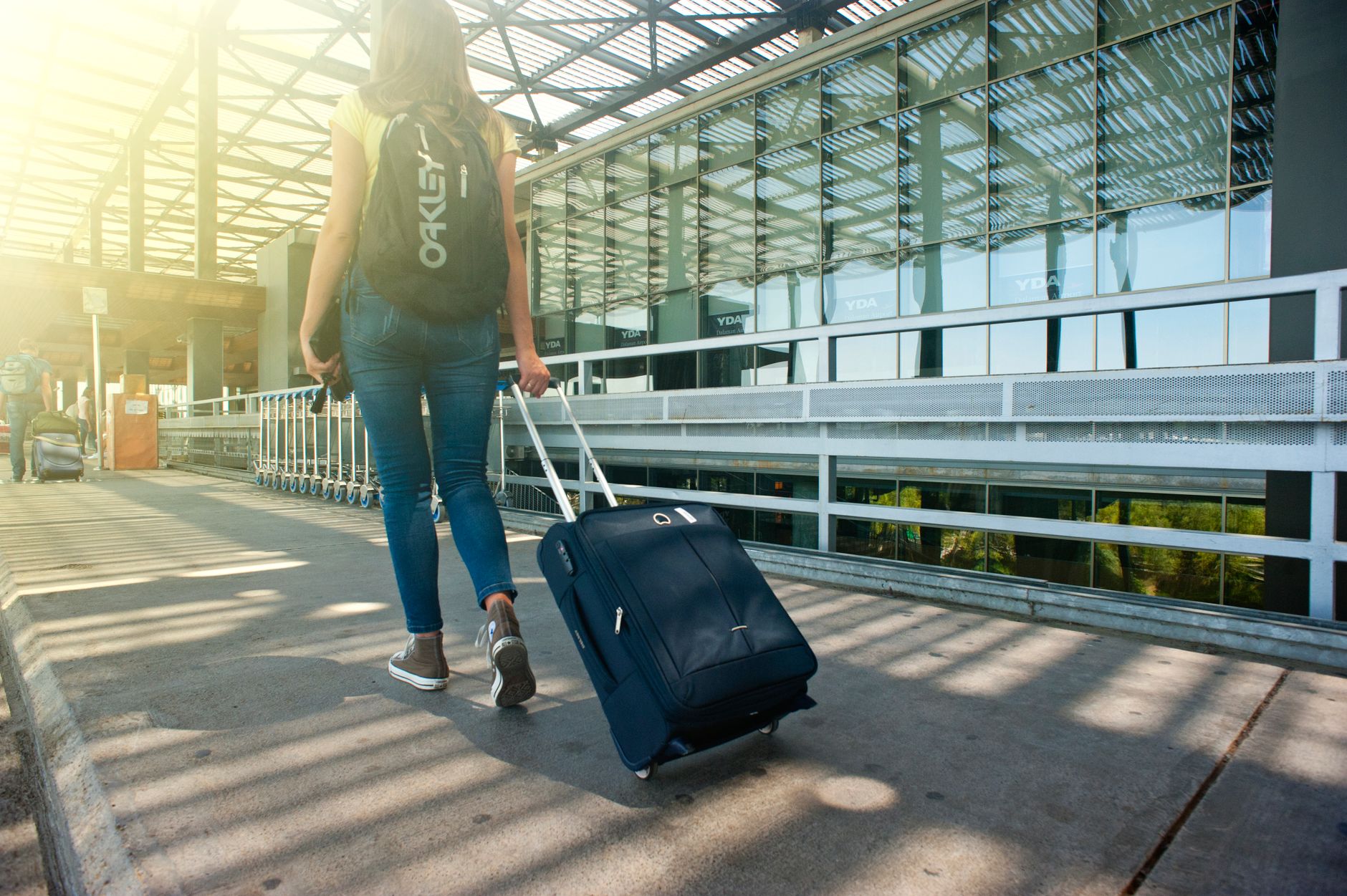
Understanding the limits of your carry-on bag is crucial for a hassle-free travel experience. Most airlines impose specific weight and size restrictions, which vary significantly. This article will help you navigate those restrictions, so you can travel light without facing unpleasant surprises at the airport.
We’ll explore the typical weight limits set by major airlines, the implications of exceeding those limits, and practical tips for packing efficiently. By the end, you’ll be equipped with the knowledge to make the most of your carry-on luggage.
How Much Can A Carry On Bag Weigh?
The weight limit for carry-on bags generally ranges from 15 to 22 pounds (7 to 10 kg), depending on the airline. Some airlines, especially budget carriers, may allow even less, while others might impose a maximum size limit but no weight limit for carry-ons. Always check with your airline for specific guidelines.
General Weight Restrictions by Airline
Different airlines have different policies regarding carry-on weight limits. Here’s a quick overview of some major airlines and their typical restrictions:
- American Airlines: 40 pounds (18 kg)
- Delta Air Lines: No specific weight limit, but the bag must fit size restrictions.
- United Airlines: 30 pounds (13.6 kg)
- Southwest Airlines: 50 pounds (22.7 kg)
- JetBlue Airways: 50 pounds (22.7 kg)
Keep in mind that these weights are approximate and can vary based on the flight route or class of service. For example, international flights might have different restrictions compared to domestic flights.
Low-Cost Carriers
When flying with low-cost airlines, be particularly mindful of their carry-on policies as they often have stricter limitations.
- Ryanair: 22 pounds (10 kg), and sizes must not exceed 55 x 40 x 20 cm.
- EasyJet: 22 pounds (10 kg) with a max size of 56 x 45 x 25 cm.
- Spirit Airlines: A personal item must fit under the seat, typically measuring 18 x 14 x 8 inches and weighing no more than 5 pounds.
For low-cost carriers, exceeding these limits can incur hefty fees, sometimes costing as much as a checked bag. Therefore, always be aware of the airline’s terms and pack accordingly.
Size Matters: Dimensions of Carry-On Bags
In addition to weight, carry-on bags must fit within specified dimensions. Most airlines allow carry-ons that measure:
- 22 x 14 x 9 inches (56 x 36 x 23 cm)
This measurement includes wheels and handles, so it’s essential to choose your bag wisely.
Measuring Your Bag
To avoid any last-minute issues at security or boarding gates, follow these tips for measuring:
- Use a tape measure to get the exact dimensions of your bag.
- Check that the bag fits in the measurement sizer at your airport, usually found near check-in desks.
- Remember to factor in pockets or external straps that may protrude from the dimensions.
Consequences of Exceeding Weight Limits
Exceeding the weight limit for your carry-on can lead to a variety of consequences:
- Fees: Many airlines charge fees for overweight luggage, sometimes equal to or more than the cost of checked bags.
- Forced Check-In: You may be required to check your bag at the gate if it’s too heavy.
- Delays: Handling your bag to meet requirements can slow down the boarding process, risking missing your flight.
Smart Packing Strategies for Carry-On Luggage
Packing correctly for a carry-on can help you stay within weight limits while maximizing your space. Here are some effective strategies:
Choose the Right Bag
- Select a lightweight bag made of durable material.
- Choose a bag with compartments to help organize items.
- Opt for soft-sided bags as they can be squeezed into tight spaces.
Limit Your Clothing
Clothing can take up significant weight in your luggage. Consider the following:
- Pack versatile pieces that you can mix and match.
- Roll your clothes instead of folding for efficient packing.
- Wear your heaviest items during the flight, such as jackets or boots.
Streamline Toiletries
Toiletries can also add unnecessary weight. Follow these tips:
- Carry travel-sized toiletries or buy them at your destination.
- Consider solid toiletries, such as shampoo bars, which weigh less and won’t count against liquid restrictions.
- Utilize multi-purpose products, such as a moisturizer with SPF.
Electronic Devices
Electronics are essential for many travelers but can add weight. Keep these tips in mind:
- Limit your devices to one tablet or laptop.
- Use lightweight options—consider a Kindle for reading on the go instead of packing heavier books.
- Download movies or shows to your device instead of carrying DVDs or books.
Common Mistakes to Avoid
To ensure a smooth experience with your carry-on, avoid these common packing mistakes:
- Overpacking: Stick to a list to avoid packing items you won’t use.
- Ignoring Airline Policies: Not checking carry-on policies before your flight can lead to unexpected fees.
- Neglecting Weight Checks: Weigh your bag at home to avoid surprises at the airport.
Familiarizing Yourself with Liquid Restrictions
Airlines have strict regulations about liquids, which can impact your carry-on weight. Remember the following:
- Liquids must be in containers of 3.4 ounces (100 ml) or less.
- All containers must fit in a single quart-sized zip-top bag.
- Exceptions apply for medications, baby formula, and other essential items after proper notification at security.
Special Considerations for Different Types of Travel
Your carry-on needs may vary depending on your travel type. Here are suggestions for various scenarios:
Business Travelers
- Include a lightweight laptop case that fits your personal item quota.
- Pack wrinkle-free clothing to arrive looking fresh.
- Curb extra footwear; aim for one pair that can be dressed up or down.
Family Travel
- Use a larger carry-on that can accommodate children’s essentials.
- Include compact entertainment options like lightweight games or tablets.
- If traveling with infants, consider packing additional snacks and diapers.
Adventure Seekers
- Opt for travel gear that doubles as clothing or bags.
- Pack lightweight outdoor equipment where possible and consider renting upon arrival.
- Fill your carry-on with snacks so you can stay energized during activities.
Checking Your Bag Weight: Tools and Tips
To avoid last-minute scrambles at the airport, weigh your bag before heading out. Here are some tools:
- Travel Scales: Compact and easy to pack, travel scales help you monitor weight precisely.
- Home Scale: If you have a regular scale, you can weigh yourself holding the bag and subtract your weight.
- Check-in Scales: Many airports, especially international ones, offer self-service check-in kiosks that allow you to weigh your bag.
What Happens in Security Lines?
When you arrive at the airport, carry-on bags undergo screening. Be prepared for the following:
- You will need to remove any electronics, liquids, or metal items from your bag for separate screening.
- Be sure your bag is compliant by following the 3-1-1 rule for liquids.
- Properly organize your bag for efficiency and quick removal during checking.
Final Words of Advice
Carrying the right bag and packing efficiently can reduce your stress and improve your travel experience significantly. Weigh your bag, know your airline’s specific limitations, and avoid unnecessary fees with foresight and planning.
Always verify the current policies for your airline, check for updates on weight limits, and adapt your packing strategy to ensure you remain within bounds. With careful consideration, you can ensure smooth sailing with your carry-on bag.
For more information on travel-related topics such as what is allowed in carry-on baggage with Southwest Airlines or what travel liquids you can take on a plane, explore the following articles: What is Allowed in Carry-On Baggage – Southwest Airlines and How Many Ounces Can You Take on a Plane?.