
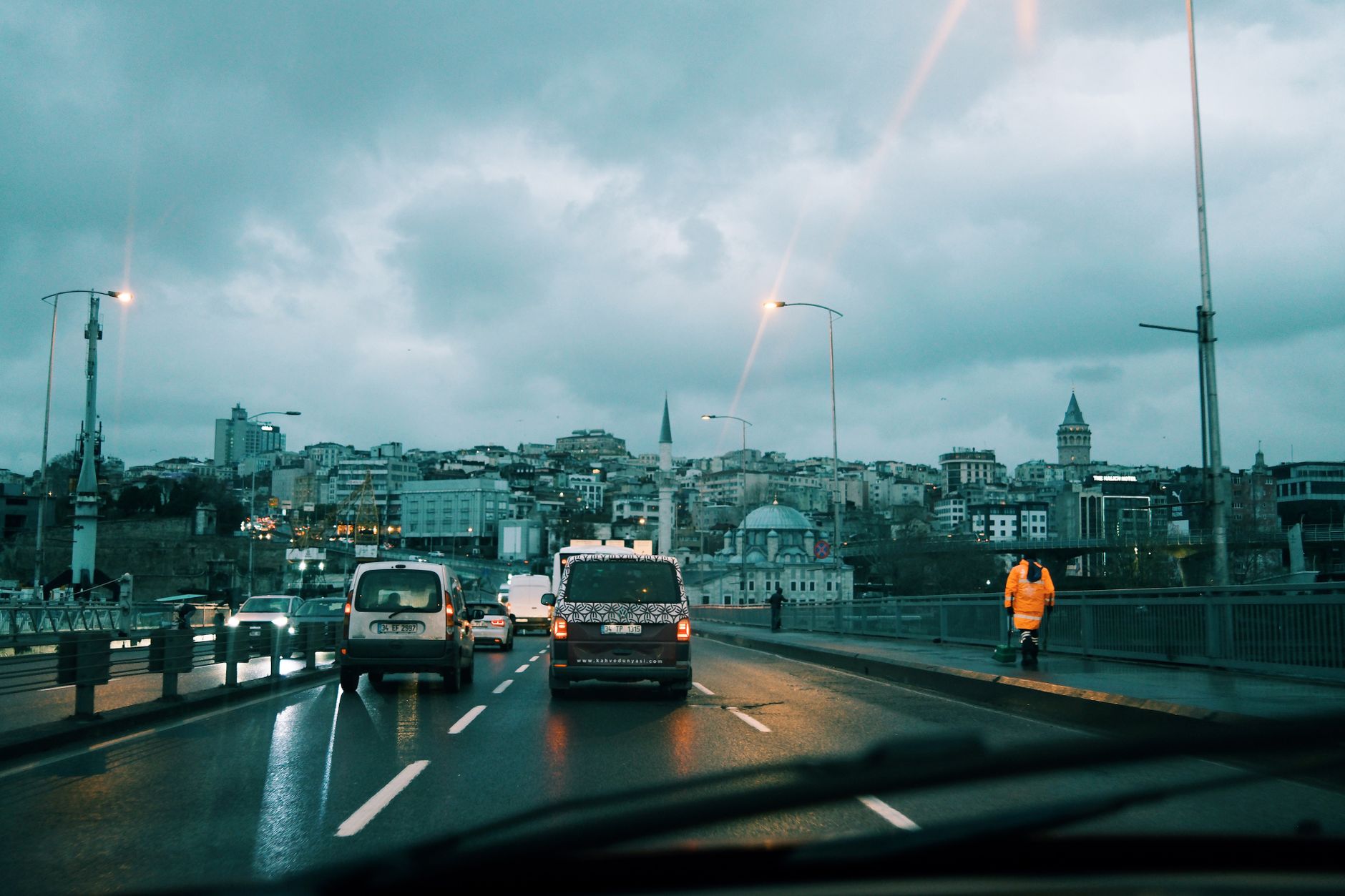
Understanding the concept of a “No Zone” is crucial for any traveler, especially those navigating busy urban areas or sharing the road with large vehicles. Knowing where these zones are can enhance safety and make your travels smoother. In this article, we will delve into what constitutes a No Zone, why they are important, and how you can avoid potential hazards associated with them.
No Zones are areas around large vehicles, such as trucks and buses, where the driver has little or no visibility. These blind spots can present serious risks for cars, cyclists, and pedestrians. Awareness of No Zones helps ensure everyone is safer on the road and can guide your travel plans, especially when driving in cities or areas with heavy truck traffic.
What Is a No Zone?
A No Zone refers to the blind spots around large vehicles where drivers cannot see other road users, including smaller cars, pedestrians, and cyclists. These areas vary in size, depending on the type of vehicle and how it’s configured, but they generally cover the sides, rear, and front of the vehicle. Understanding these zones is essential for preventing accidents while traveling.
Each type of large vehicle has specific No Zones. For example, large trucks have significant blind spots extending directly behind, in front, and on either side of the cab, which makes it hard for drivers to see smaller vehicles or pedestrians. Recognizing and avoiding these areas can help reduce risks when navigating busy roads or areas where large vehicles are common.
Why Are No Zones Important?
No Zones are crucial for every traveler to understand for safety reasons. Large vehicles have significantly different handling capabilities and may take longer to stop than smaller cars. When drivers of these vehicles cannot see you, it can lead to serious accidents. Understanding these zones can save lives.
Additionally, awareness of No Zones can improve traffic flow. If all road users understand where they are and how to navigate around them, everyone can drive more confidently and effectively. It helps prevent sudden braking, erratic lane changes, and other dangerous driving behavior.
Common Characteristics of No Zones
No Zones share several key characteristics across different types of vehicles. Here are some common traits:
- Size and Shape: No Zones can vary in size. They are typically larger on heavy trucks than on smaller vehicles.
- Location: These zones are predominantly located to the side, rear, and front of large vehicles.
- Visibility: If you cannot see the driver of the large vehicle in the mirror, you are likely in a No Zone.
- Distance: The length of a No Zone can extend several feet or more, depending on the design of the vehicle.
Types of No Zones
No Zones can be categorized mainly into three types according to vehicle position:
1. Rear No Zone
The rear No Zone typically extends up to 30 feet behind a large truck. This blind spot can prevent the truck driver from seeing all smaller vehicles and pedestrians behind them. It’s essential to keep a safe distance if you are driving behind a truck to ensure that you stay out of this zone.
2. Side No Zones
Side No Zones are located on both sides of the truck. They can stretch several feet out from the truck’s sides. Staying too close to large vehicles can put you in danger, especially when those vehicles make wide turns. Ensure there is enough space to avoid these areas.
3. Front No Zone
The front No Zone can extend from the front of a large vehicle, with visibility reduced by several feet. Drivers may have trouble seeing vehicles that are stopped directly in front of them, especially in traffic jams or at intersections. Always give sufficient space and avoid crowding the front of large vehicles.
Who Is Most Affected by No Zones?
While No Zones potentially affect everyone on the road, certain groups are more vulnerable:
- Motorists: Drivers in smaller vehicles, especially sedans and motorcycles, are at risk if they enter a No Zone unwittingly.
- Cyclists: Cyclists often occupy the space near trucks and buses. Being in a No Zone significantly increases the risk of an accident.
- Pedestrians: People crossing streets or walking near heavy traffic can easily be in a No Zone, leading to accidents when drivers cannot see them.
How to Avoid No Zones
Preventing accidents in No Zones requires a combination of awareness and proactive measures. Here are some practical tips to help:
- Stay Aware: Always be conscious of large vehicles on the road. If you cannot see the driver in the mirror, you are likely in a No Zone.
- Check Mirrors: Before changing lanes near large vehicles, check your mirrors to ensure it is safe to do so.
- Keep Distance: Maintain a safe following distance to avoid the rear No Zone and be more visible to the driver.
- Use Turn Signals: Always signal your intentions well in advance when nearing large vehicles.
- Avoid Blind Spots: If you find yourself alongside a large vehicle, try to pass quickly and safely to escape the side No Zone.
Traveling in Urban Areas with High Truck Traffic
Traveling in cities or areas with heavy truck traffic can heighten the chances of entering a No Zone. Here’s how to plan your travel better:
Choose the Right Routes
Some routes are busier than others due to industrial areas. Familiarize yourself with these routes, but also explore alternatives to minimize the risk of being around many large vehicles. This can improve safety and travel comfort.
Plan Your Timing
Traffic often varies throughout the day. Rush hour is when large vehicles are more active. If possible, plan your travels around these hours to reduce encounters with large trucks.
Use Navigation Apps
Utilizing navigation apps can help you find routes with less truck traffic, enabling you to stay clear of hazardous No Zones more effectively.
Legal and Safety Considerations
Familiarizing yourself with local laws regarding truck regulations can help you better understand how to navigate No Zones safely. Some areas enforce stricter regulations for trucks during peak hours, which can help manage traffic.
Moreover, various safety equipment, like side guards, is increasingly being used on large vehicles to mitigate the risks of blind spots. Be aware of these innovations and understand how they can contribute to road safety.
Educational Outreach and Resources
Organizations and local governments often engage in educational outreach regarding No Zones to increase public awareness. Participating in such programs or reviewing materials hosted by your local Department of Transportation can provide greater insight on how to stay safe on the roads.
Conclusion
Awareness of No Zones is essential for all travelers, as it enhances safety for everyone on the road. By understanding these blind spots and adopting proactive strategies, you can contribute to safer driving experiences. Make sure to observe these principles to avoid potential danger while traveling.
For further exploration, check out our other guides, including understanding TSA liquids regulations and knowing what is not allowed on a plane carry-on.