
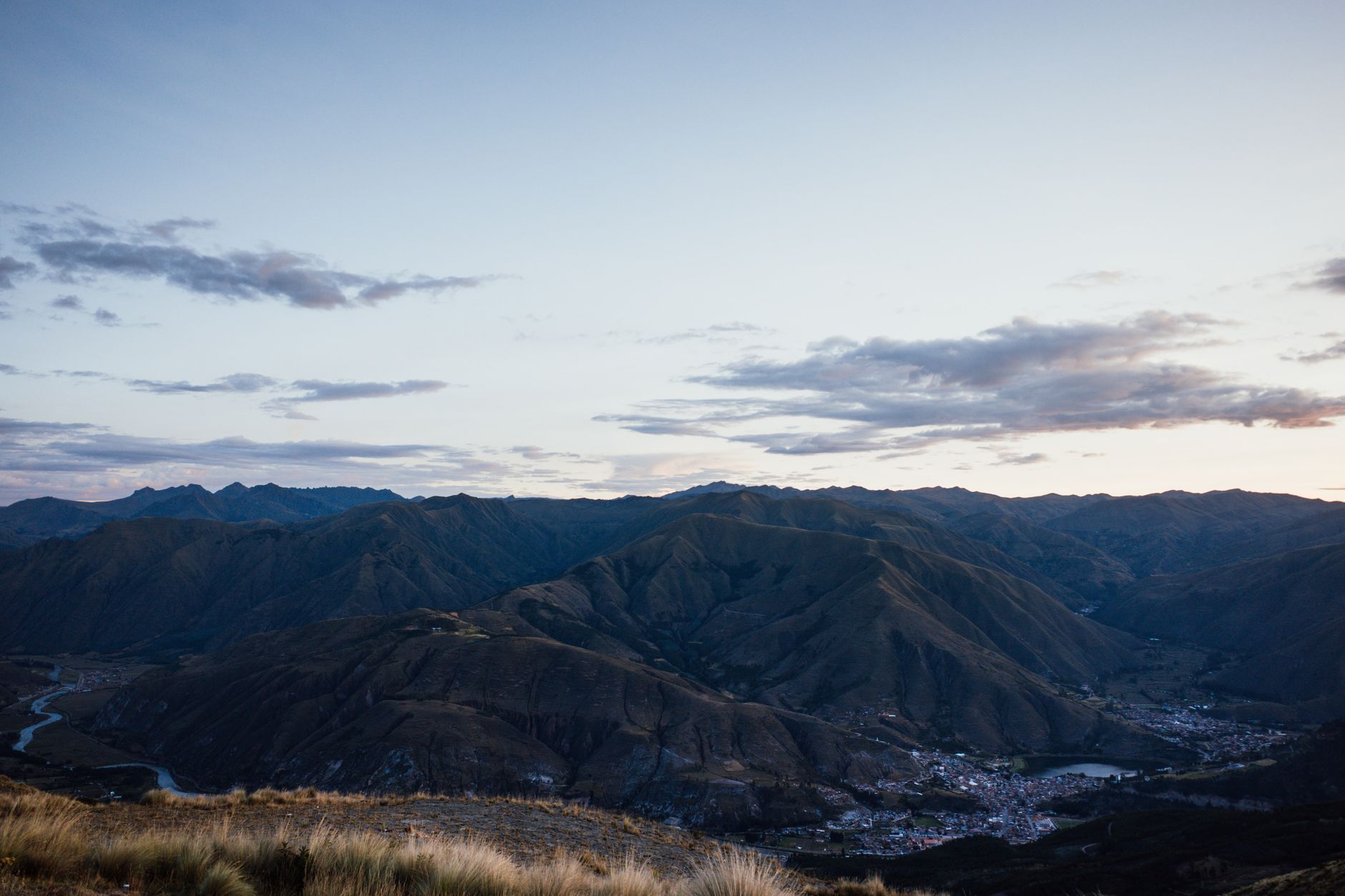
Chile, a long and narrow strip of land spanning South America, is known for stunning landscapes, rich history, diverse culture, and exquisite cuisine. From the northern Atacama Desert to the southern fjords of Patagonia, each region offers unique experiences that attract travelers from around the world. This article will delve into the highlights of what Chile is famous for, helping you plan your perfect trip.
Whether you are an adventure seeker, a wine enthusiast, a culture lover, or simply in search of breathtaking scenery, Chile has something to offer. This guide will cover local attractions, experiences, and essential travel tips to ensure you make the most out of your visit.
What Is Chile Known For?
Chile is known for its extreme natural beauty, vibrant culture, and some of the world’s most remarkable wines. Highlights include the picturesque landscapes of Patagonia, the dry expanses of the Atacama Desert, and the lively streets of Santiago. Additionally, Chile is renowned for culinary delights like empanadas and fine wine, particularly from the Central Valley region.
Stunning Natural Landscapes
Chile boasts a variety of ecosystems, each more striking than the last. The natural beauty of Chile is one of its primary attractions. Here are some of the must-see landscapes:
Atacama Desert
The Atacama Desert is one of the driest places on Earth, famous for its otherworldly landscapes. Visitors should not miss:
- Valle de la Luna: Known for its lunar-like terrain, perfect for sunset views.
- Laguna Miscanti and Laguna Miñiques: Stunning high-altitude lagoons surrounded by volcanoes.
- Geysers del Tatio: The highest geyser field in the world, with some active geysers erupting at dawn.
Torres del Paine National Park
This UNESCO Biosphere Reserve is renowned for its dramatic peaks, glaciers, and turquoise lakes. It is ideal for trekking enthusiasts. Popular activities include:
- The W Trek: A multi-day hike showcasing the park’s stunning landscapes.
- Grey Glacier: A chance to explore one of Chile’s largest glaciers via boat or hike.
- Wildlife Watching: Spotting guanacos, condors, and maybe even pumas.
Lake District
The Lake District mixes mountains, lakes, and active volcanoes, offering unique outdoor activities such as:
- Water Sports: Kayaking, sailing, and fishing in crystal-clear lakes.
- Hiking: Trails leading through lush forests and dramatic peaks.
- Thermal Springs: Relax in natural hot springs after a day of adventure.
Vibrant Cities and Culture
Chile’s cities are as diverse as its landscapes, rich in history and culture. Santiago, the capital, is the cultural hub of the country.
Santiago
Santiago is a modern metropolis with a blend of old and new. Key attractions include:
- Plaza de Armas: The city’s main square, home to the Metropolitan Cathedral and surrounding historic buildings.
- Cerro San Cristóbal: A hill offering panoramic views of the city and the Andes Mountains.
- La Chascona: One of Pablo Neruda’s homes, now a museum showcasing the poet’s eclectic collection.
Valparaíso
This vibrant port city is known for its colorful houses and steep hills. When visiting Valparaíso, make sure to explore:
- Historic Quarter: A UNESCO World Heritage site filled with street art and bohemian vibes.
- Ascensores: Funiculars that connect the hills with the port.
- La Sebastiana: Another of Neruda’s residences, offering stunning views of the coastline.
Wine Culture
Chile is one of the world’s premier wine destinations, known for its high-quality production. A visit to Chile wouldn’t be complete without indulging in its wine offerings:
Wine Regions
The main wine-producing regions are located in the Center of the country, with several valleys worth exploring:
- Maipo Valley: Home to classic Cabernet Sauvignon, this valley is close to Santiago and accessible for day trips.
- Cachapoal Valley: Known for its Carmenère varieties, an adventurous grape unique to Chile.
- Colchagua Valley: A picturesque valley housing notable wineries like Montes and Viu Manent.
Wine Tours and Tastings
Wine tours are common, offering tastings and vineyard tours. These typically include:
- Guided tours through the vineyards explaining the winemaking process.
- Tasting a variety of wines, often paired with local cuisine.
- Opportunities to purchase wine directly from the source.
Culinary Delights
Chilean cuisine is varied and flavorful, reflecting the country’s rich natural resources. Don’t miss the opportunity to try these traditional dishes:
Traditional Dishes
- Empanadas: Baked or fried pastries filled with meat, cheese, or seafood.
- Pastel de Choclo: A corn pie filled with a mix of meat, chicken, and vegetables.
- Cazuela: A hearty stew made with meat, potatoes, corn, and other vegetables.
- Completo: Chilean-style hot dogs topped with avocado, mayonnaise, and sauerkraut.
Pisco Sour
Pisco Sour is the national drink of Chile, made with pisco, lime juice, and sugar, often topped with a dash of bitters. Enjoying a Pisco Sour before or after dinner is a must for any visitor.
Adventure Activities
Chile offers an array of adventure activities, catering to thrill-seekers and outdoor enthusiasts.
Hiking and Trekking
The geography of Chile allows for diverse hiking options. Popular locations include:
- Patagonian Trails: Stunning routes that offer amazing views of mountains and glaciers.
- Coastal Trails: Coastal walks and hikes through parks like Parque Nacional Conguillío.
- National Parks: Numerous parks provide well-marked trails for different skill levels.
Water Activities
With its vast coastline and numerous lakes, Chile is well-suited for water activities, including:
- Surfing: Pichilemu is a famous surf spot among locals and travelers alike.
- Kayaking: Popular in areas such as the Patagonian fjords.
- Whale Watching: Tours are available in regions like Puerto Varas.
Transportation and Getting Around
Traveling within Chile is convenient, with various transportation options available to tourists.
Getting There
Most international travelers arrive in Santiago, which serves as the main hub. Direct flights connect Santiago to major cities worldwide, making it easy to reach the country.
Local Transportation
Within cities, public transportation is adequate:
- Metro: Santiago’s metro system is efficient and covers major areas.
- Buses: Buses are widely available in cities and offer affordable options for travel.
- Taxi and Rideshare: Options like Uber operate in major urban areas, providing ease and flexibility.
Long-Distance Travel
For longer trips, travelers can choose from:
- Long-Distance Buses: A popular choice for intercity travel, with various companies offering comfortable rides.
- Flights: Airlines provide domestic flights connecting major cities, especially to distant regions like Patagonia.
- Car Rentals: Consider renting a car, especially for exploring remote areas at your own pace.
Best Time to Visit
Chile’s geographical diversity means that the best time to visit can vary significantly depending on the region. Here’s a seasonal breakdown:
Wild West Summer (December to February)
Summer in southern Chile lasts from December to February, making it the best time for hiking and outdoor activities in Patagonia.
Autumn/Fall (March to May)
This is an excellent time to visit for fewer crowds and stunning fall foliage in the central region, enhancing the beauty of vineyards.
Winter (June to August)
Winter is perfect for skiing in the Andes. Ski resorts around Santiago become popular during this season.
Spring (September to November)
Spring offers mild weather, ideal for exploring the Atacama Desert, as temperatures become more comfortable.
Practical Tips for Travelers
Planning your trip to Chile requires some consideration. Here are key tips to help you navigate the country:
Budget Considerations
Chile can be both affordable and expensive, depending on how you plan your trip.
- Hostels and budget hotels are available for affordable stays.
- Dining can be inexpensive in local eateries and food markets.
- Activities vary greatly; free or low-cost hiking trails contrast with premium wine tours.
Health and Safety
Chile is generally a safe country for tourists, but it’s advisable to:
- Keep your belongings secure and avoid displaying valuables.
- Stay updated with local health information, including drinking water safety.
- Purchase travel insurance for added peace of mind during your travels.
Accessibility
While major cities are well-equipped for travelers with mobility issues, some remote areas may pose challenges. Check the accessibility options when planning your itinerary.
Conclusion
Chile is a captivating destination rich in culture, adventure, and natural beauty. From its majestic landscapes to its tantalizing cuisine, there’s no shortage of experiences to enjoy. Whether you’re hiking in Patagonia, sipping wine in the vineyards, or exploring vibrant cities, Chile has something to enchant every traveler.
As you plan your journey, consider diving deeper into related destination guides and travel-planning articles like those on things to do in Victoria, BC and things to do in Victoria Falls. Happy travels!