
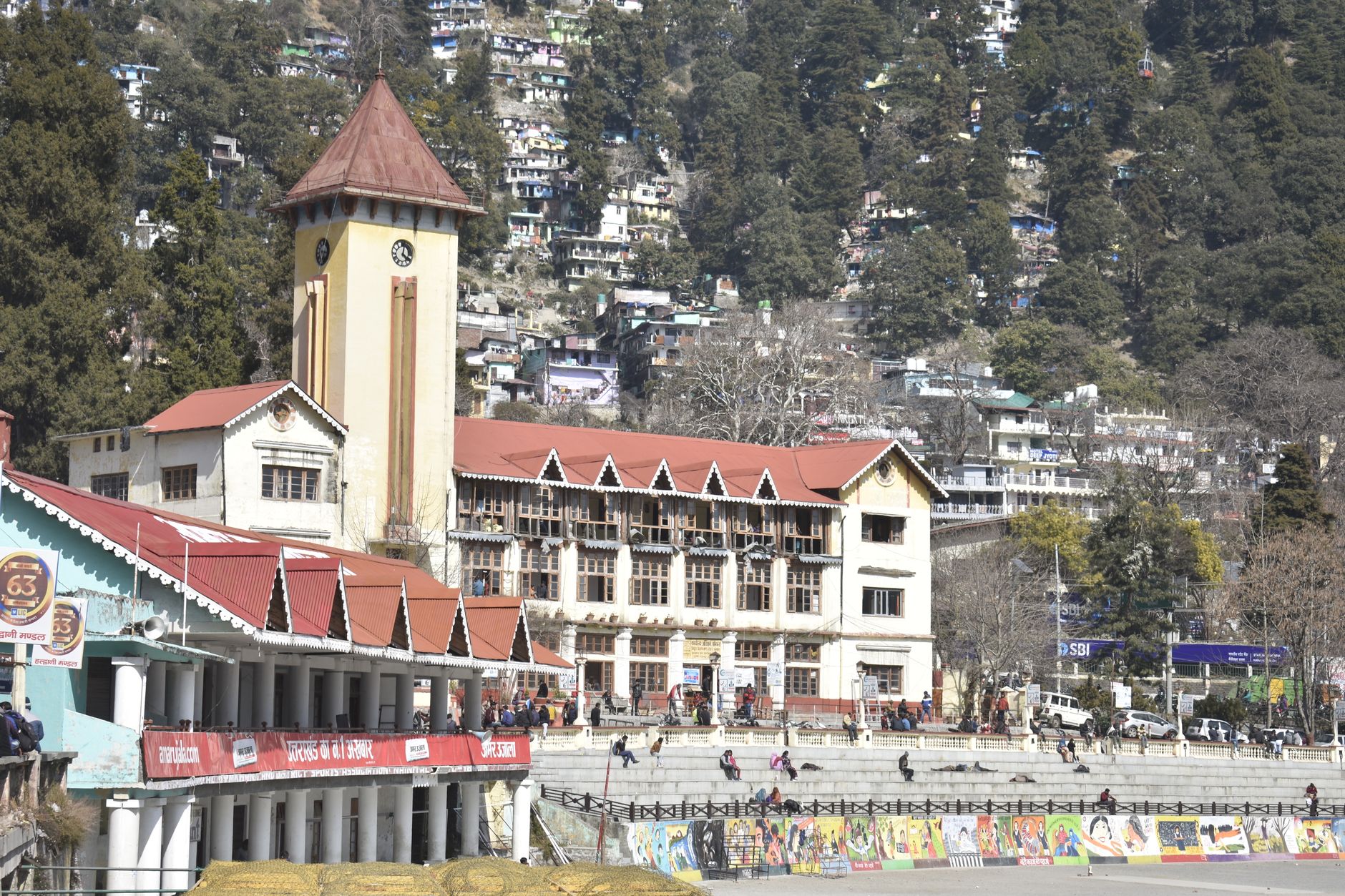
Kathmandu, the capital city of Nepal, is a lively urban center nestled within the Kathmandu Valley. Known for its vibrant culture, rich history, and stunning natural scenery, it serves as an essential starting point for travelers keen on exploring the Himalayas and the greater Nepalese landscape.
Given its unique blend of modernity and tradition, visitors from around the globe come to experience the local cuisine, intricate temples, and picturesque landscapes. This guide provides essential insights into Kathmandu’s location, travel logistics, main attractions, and more, making it easier for you to plan your visit.
Where Is Kathmandu?
Kathmandu is situated in the central part of Nepal, in the Kathmandu Valley, surrounded by several mountain ranges. The city lies approximately 1,400 meters (4,600 feet) above sea level and is about 200 kilometers (124 miles) east of the Indian border and approximately 1,050 kilometers (652 miles) from New Delhi, India. It serves as an important hub for both domestic and international travel.
Why Visit Kathmandu?
Kathmandu is worth visiting for its UNESCO World Heritage Sites, including Durbar Square, Swayambhunath (also known as the Monkey Temple), and Pashupatinath Temple. The blend of ancient traditions and modern life creates an enriching experience for travelers. The city is ideal for cultural enthusiasts, adventure seekers, and family trips alike.
Best Areas to Explore
- Thamel: The heart of Kathmandu, known for its bustling markets, shops, accommodations, and nightlife.
- Boudhanath: Home to one of the largest stupas in the world, this area is a center for Tibetan Buddhism.
- Patan: A neighboring city known for its artistic heritage, museums, and beautiful squares.
- Kirtipur: A lesser-known but historical town showcasing an authentic local lifestyle.
Main Attractions in Kathmandu
Kathmandu offers a wide array of attractions that cater to diverse interests.
1. Durbar Square
This UNESCO World Heritage Site features numerous palaces, temples, and courtyards that signify the architectural heritage of Kathmandu. Major highlights include the Hanuman Dhoka Palace and the Kumari Ghar, the residence of the living goddess.
2. Swayambhunath (Monkey Temple)
Perched atop a hill, Swayambhunath presents a stunning panoramic view of the city. The stupa is adorned with thousands of colorful prayer flags and is home to many playful monkeys.
3. Pashupatinath Temple
An important pilgrimage site for Hindus, Pashupatinath is located on the banks of the Bagmati River and features stunning temples dedicated to Lord Shiva. The temple complex also holds religious significance relating to cremation ceremonies.
4. Boudhanath Stupa
This massive stupa is a significant site for Tibetan Buddhism and is surrounded by monasteries and shops. The overall atmosphere is peaceful, making it an excellent spot for meditation and reflection.
5. Garden of Dreams
A serene oasis in the city, the Garden of Dreams is a beautifully laid-out garden adorned with pavilions and fountains. It’s a perfect place for relaxation amidst the urban craziness.
Outdoor Adventures and Day Trips
Kathmandu is not just about culture and history; it also serves as a gateway for various outdoor adventures.
Trekking
The city is a popular starting point for trekkers heading to the famous Everest Base Camp, Annapurna Circuit, and Langtang Valley. Ensure you’re well-prepared with proper gear, permits, and awareness of altitude sickness.
Nearby Day Trips
- Nagarkot: Known for its sunrise views over the Himalayas, it’s just a short drive from Kathmandu.
- Bhakapur: A medieval city famous for its pottery and quaint architecture, also a UNESCO World Heritage site.
- Chandragiri Hills: Offers panoramic views of the Kathmandu Valley and is accessible via a cable car.
Traveling to Kathmandu
Your journey to Kathmandu typically begins at Tribhuvan International Airport, which serves many domestic and international flights. Several airlines operate regular flights to and from major cities in Asia and beyond.
Getting Around in Kathmandu
Within the city, there are various transport options to help you navigate its bustling streets:
- Taxis: Easily obtainable, taxis do not have meters, so always negotiate the price beforehand.
- Microbuses: These are another option, though they’re best suited for adventurous travelers who can handle crowded transportation.
- Motorbike Rentals: An exciting way to explore, but ensure you have the necessary driving permits and gear.
- Walking: Many of the attractions are close to each other, making walking an enjoyable way to discovery.
Accommodation Options
Kathmandu offers a range of accommodation options that suit various budgets and preferences. Choices include:
Budget Accommodation
- Hostels in Thamel, providing communal spaces for travelers.
- Simple guesthouses with local charm.
Mid-Range Accommodation
Look for boutique hotels and comfortable lodges in Thamel or near Boudhanath that offer more amenities without breaking the bank.
Luxury Accommodation
For those seeking premium experiences, several luxury hotels provide elegant settings and full services, often with stunning views of the Himalayas.
When to Visit Kathmandu
The best times to visit Kathmandu are during the spring (March to May) and autumn (September to November) seasons. These periods generally feature moderate temperatures and clear skies, making them ideal for sightseeing and trekking.
Seasonal Trade-offs
- Winter (December to February): Cold and potentially snowy, but less crowded and ideal for budget travelers.
- Monsoon (June to August): Rainy with the risk of landslides, but green landscapes and fewer tourists.
Length of Stay
A realistic stay in Kathmandu usually ranges from 3 to 7 days. This timeframe allows for ample exploration of the city, coupled with day trips to nearby areas or trekking if you prefer outdoor activities.
Budget Considerations
Understanding your budget is critical when planning your trip to Kathmandu.
Estimated Daily Costs
Here’s a rough idea of daily costs you can expect:
- Budget Travelers: $15 – $30 (dormitory accommodation, local food, public transport).
- Mid-Range Travelers: $30 – $100 (private rooms, meals in mid-range restaurants, some entrance fees).
- Luxury Travelers: $100 and up (luxury hotel stays, high-end restaurants, guided tours).
Packing Guide for Kathmandu
What to pack for your trip largely depends on your planned activities and the season during your visit. Here’s a practical checklist:
Essentials
- Comfortable walking shoes.
- Lightweight clothing for warm weather and layers for cooler evenings.
- Rain gear if visiting during the monsoon season.
- A hat and sunscreen for sun protection.
For Outdoor Activities
- Hiking boots or sturdy shoes.
- Water bottle and purification tablets.
- A good backpack for trekking.
- First aid kit including altitude sickness medication.
Food and Drink Guide
Kathmandu’s food scene is as diverse as its culture. Traditional Nepalese cuisine includes a variety of dishes that cater to different tastes.
Must-Try Dishes
- Dal Bhat: A staple meal of lentils, rice, and vegetables.
- Momo: Dumplings filled with meat or vegetables.
- Newari Cuisine: Indigenous to the Newar people, it includes unique dishes such as Yomari and fish preparations.
Drinks
Don’t miss out on local beverages such as:
- Chiya: Traditional Nepali tea.
- Rox: A traditional alcoholic drink made from fermented grain.
Safety Considerations
Traveling in Kathmandu is generally safe for tourists, but it’s always best to follow basic safety measures.
- Be cautious when crossing busy streets; traffic can be chaotic.
- Keep your belongings secure and watch out for petty crime.
- Be mindful of the altitude; acclimatize properly if trekking.
Accessibility and Family Travel
Kathmandu has numerous facilities, but accessibility can be challenging in certain historical areas. Families can find many activities accommodating children, such as parks, temples, and safe day trips. Always keep children close in crowded areas.
In summary, Kathmandu is a dynamic city filled with rich history, culture, and adventure. Proper planning can ensure a rewarding experience, tailored to your interests and budget. Your first step towards exploring this vibrant metropolis starts with a well-informed travel plan.
To enhance your travel planning, explore our related destination guides and articles, such as Bogotá Travel Guide and Thailand Travel Insights.