
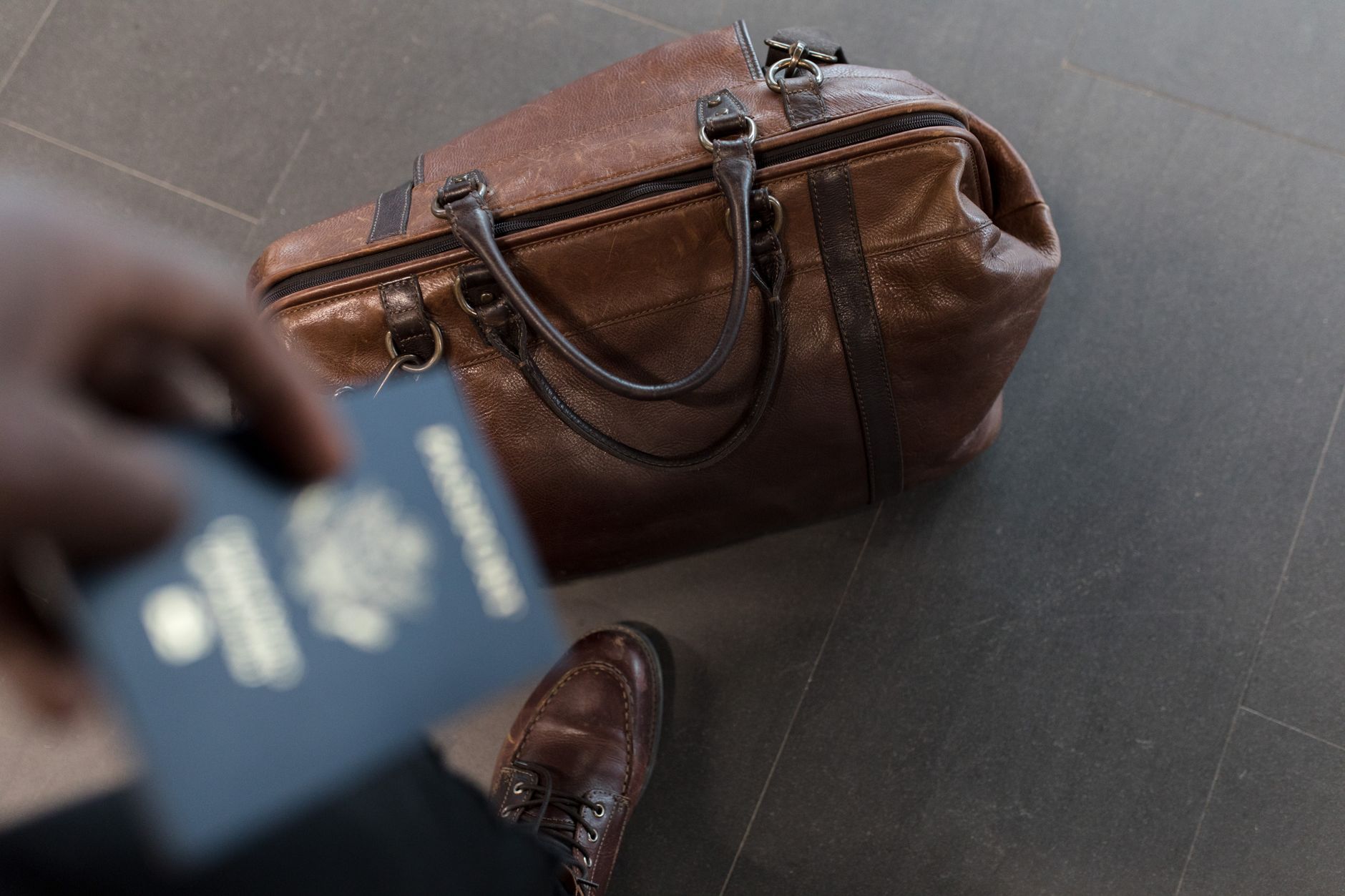
Understanding the size limitations for carry-on bags is critical for smooth air travel. Each airline has its own regulations regarding dimensions and weight, and being informed can save you from unexpected fees or hassles at the airport.
This article will guide you through typical carry-on bag size limits, how to measure your bag, what to do if your bag exceeds the limits, and important tips for packing efficiently. Read on for essential insights that will help you travel smarter.
How Big Can A Carry On Bag Be?
The typical size limit for carry-on bags is usually around 22 x 14 x 9 inches (56 x 36 x 23 cm), including wheels and handles. However, these dimensions can vary by airline, so it’s always wise to check the specific requirements of your carrier before packing.
Furthermore, airlines often have a weight limit for carry-on luggage, which can range from 15 to 22 pounds (7 to 10 kg). Always verify these details to avoid surprises.
Common Carry-On Bag Size Limits by Airline
Knowing the carry-on size limits for your airline is essential for planning your trip effectively. Below is a summary of size restrictions from several major airlines:
| Airline | Size Limit (inches) | Weight Limit (pounds) |
|---|---|---|
| American Airlines | 22 x 14 x 9 | 40 |
| Delta Air Lines | 22 x 14 x 9 | No specific limit |
| United Airlines | 22 x 14 x 9 | No specific limit |
| Southwest Airlines | 24 x 16 x 10 | No specific limit |
| JetBlue Airways | 22 x 14 x 9 | No specific limit |
| Ryanair | 16 x 10 x 8 | 22 |
Always check your airline’s official website for the most current information, as these policies can change frequently.
How to Measure Your Carry-On Bag
To determine if your bag adheres to the regulations, follow these steps:
- Use a flexible measuring tape or a ruler for precise measurements.
- Measure the bag’s height, width, and depth from the highest point to the lowest point.
- Include wheels and handles in your measurement to ensure accuracy.
Many travelers find it helpful to use a suitcase specifically designed for carry-on use, as these bags often fit within the common size restrictions.
What to Do If Your Bag Exceeds the Limits
If your bag exceeds the size limit, here are some options you might consider:
- Consider transferring items to a smaller bag. A personal item, such as a laptop bag or purse, typically has its own size restrictions, allowing for additional essentials.
- Check if your airline allows “gate-checking” for larger bags. This means you can take your bag to the gate, and if it exceeds size limits, the airline may check it at the boarding gate at no additional fee.
- Be prepared to pay extra fees. Most airlines will charge you for checking an oversized carry-on bag. The fees can vary, so verify with your airline before your flight.
Tips for Packing Your Carry-On
Packing smartly can maximize your carry-on space and ensure you’re prepared for your flight. Here are proactive packing insights:
- Choose the right bag: Opt for a lightweight, durable bag that meets the airline’s dimensions.
- Use packing cubes: These help organize your belongings and can condense your items, maximizing space.
- Roll your clothes: Rolling rather than folding saves space and minimizes wrinkles.
- Limit liquids: Carry only essentials and ensure each liquid is in a container of 3.4 ounces (100 ml) or less, all fitting into a single quart-sized bag. Check the regulations regarding liquids, especially with international flights.
- Wear bulky items: If you’re bringing a heavy jacket or boots, consider wearing them during your journey to save space.
- Pack travel-sized toiletries: These not only save weight but also help with adhering to liquid restrictions.
Common Mistakes with Carry-On Luggage
Many travelers make the same mistakes regarding carry-on bags. Here’s what to avoid:
- Not verifying airline requirements: Always check your carrier’s policies—requirements can vary significantly.
- Overpacking: More isn’t always better; aim for essentials that you can mix and match.
- Ignoring weight limits: Even if the bag fits within dimensions, exceeding weight restrictions could result in fees or having to check it.
Understanding Personal Item Regulations
Most airlines allow passengers to bring a personal item in addition to their carry-on bag, albeit with its own size regulations. Typical dimensions for personal items are usually around 18 x 14 x 8 inches (45 x 35 x 20 cm). Items that qualify often include backpacks, purses, or laptop bags.
Here are a few tips for optimizing your personal item:
- Store your valuables, medications, and travel documents in your personal item for easy access.
- Maximize space by using a backpack or tote that can fit under the seat in front of you.
- Choose an item that provides organizational compartments to keep essentials sorted.
Traveling Internationally: Different Regulations
A key aspect of international travel is understanding that airlines in different countries may have unique regulations. Always verify size and weight limits before boarding, as they can differ significantly from domestic lines.
Some regions may have stricter regulations, especially regarding liquids and electronic devices. Research before your trip to avoid complications.
When to Check a Bag Instead
While carry-on bags provide the convenience of avoiding baggage claim, there are situations where checking a bag may be more practical:
- Extended trips or more formal travel may necessitate more packing space.
- If traveling with baby necessities, checking a bag can lighten your load.
- Bringing larger items, like sports equipment or souvenirs, may require checking.
Sometimes, checking a bag may also save you time during busy travel periods as you won’t have to contend with overhead compartment space.
Conclusion
Understanding the dimensions and regulations for carry-on bags is essential for seamless travel. By measuring your bag, adhering to airline guidelines, and packing smartly, you can navigate the airport with confidence. The best choice will depend on your travel style, trip duration, and airline rules, so make informed decisions to ensure a stress-free journey.
If you’re planning a trip soon, check out these resources for more travel tips: What Is Allowed in Carry-On Baggage with Southwest Airlines, How Many Ounces Can You Take on a Plane?