
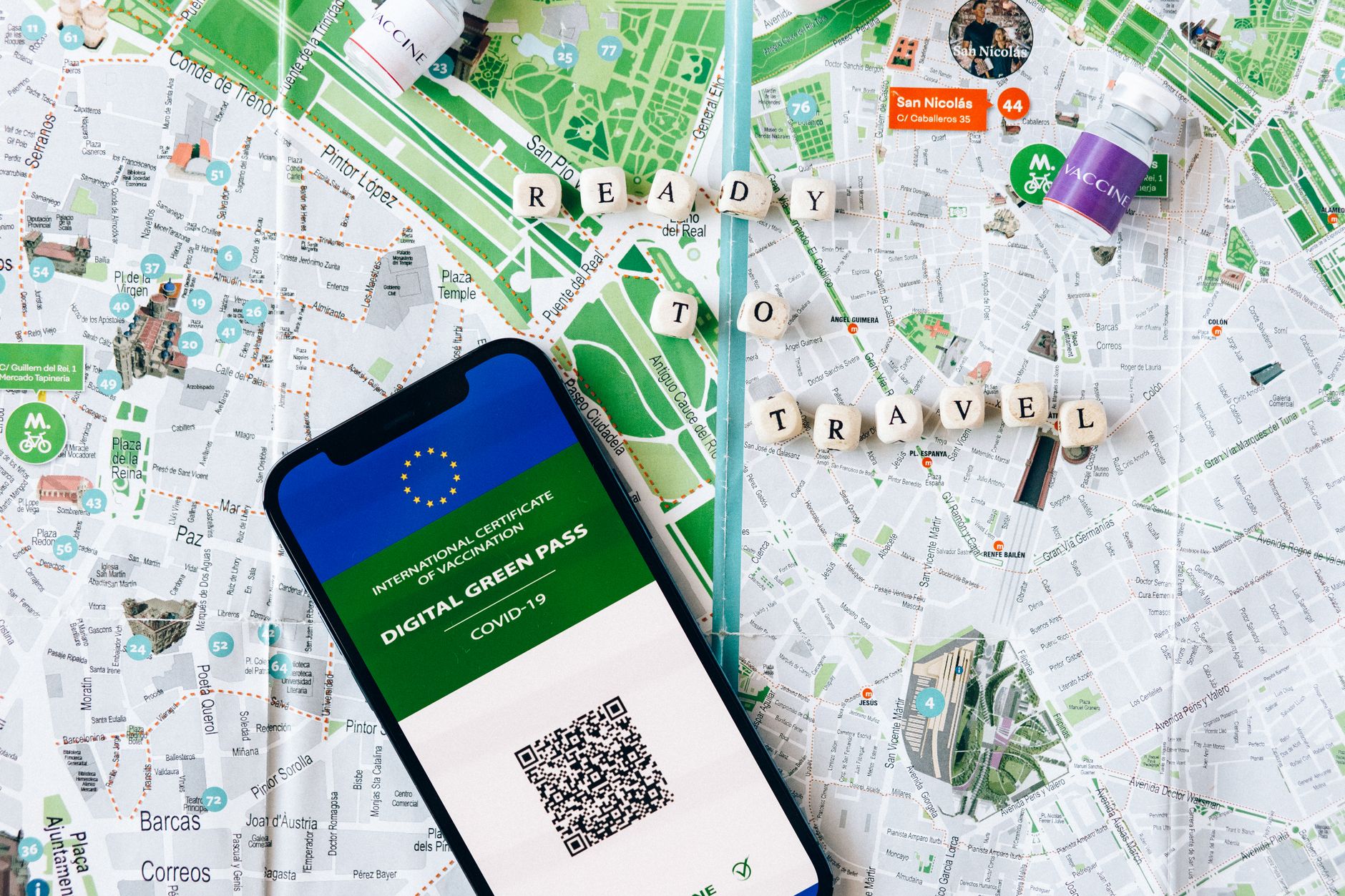
When planning a trip, one of the foremost questions travelers consider is safety. Understanding the safety landscape of a destination helps ensure a secure and enjoyable experience. This article will explore essential factors in assessing safety while traveling, alongside practical tips for staying safe, engaging with local cultures, and preparing for various situations.
Safety encompasses a broad range of considerations, including crime rates, health risks, environmental factors, and social dynamics. While many destinations around the globe are welcoming and safe for visitors, others may present challenges. This guide aims to assist travelers in making informed decisions about where to go and how to remain secure throughout their adventures.
Is It Safe To Travel?
In general, traveling is safe for most people. However, safety can vary widely by location, and it’s vital to research each destination and stay informed of current conditions. Moreover, engaging in certain activities or areas may require additional precautions. Overall, preparation is key to ensuring a hassle-free trip.
Factors to Consider When Assessing Safety
When evaluating the safety of a destination, consider the following factors:
- Crime Rates: Review recent statistics on crime in the area. High rates of petty crimes, such as pickpocketing or scams, often target tourists.
- Health Risks: Research local health advisories, including common diseases, vaccination requirements, and sanitation conditions.
- Political Climate: Be aware of any political unrest or civil disturbances that may affect safety.
- Environmental Hazards: Natural disasters, such as earthquakes or hurricanes, can pose risks in certain regions.
- Travel Advisories: Government travel advisories can provide valuable insights into areas that may be unsafe to visit.
Practical Tips for Staying Safe
Below are practical suggestions for maintaining safety while traveling:
- Stay Informed: Regularly check travel advisories from your government and local news. Be adaptable to changing circumstances.
- Research Your Destination: Understand the culture, local customs, and laws. Awareness can help avoid misunderstandings.
- Keep Important Documents Secure: Use anti-theft bags or money belts for safeguarding passports, identification, and valuables.
- Blend In: Dress like a local and avoid displaying signs of wealth, such as expensive jewelry, to minimize attention.
- Trust Your Instincts: If a situation seems uncomfortable or unsafe, remove yourself from it or seek assistance.
Preparing for Health Risks
Health considerations are paramount when it comes to travel safety. To prepare effectively, follow these guidelines:
- Consult Your Healthcare Provider: Before departure, discuss your travel plans and obtain necessary vaccinations or medications.
- Pack a Health Kit: Include essentials like first aid supplies, prescription medications, and any necessary over-the-counter drugs.
- Stay Hydrated and Eat Wisely: Ensure access to clean drinking water, and choose food from reputable sources to minimize the risk of illness.
- Consider Travel Insurance: Purchase travel insurance that covers medical emergencies, including repatriation if necessary.
Evaluating Crime Risks
Crime risks fluctuate by location, so understanding the landscape can help mitigate exposure. Here are some tips for assessing and avoiding crime:
- Areas to Avoid: Research neighborhoods that have higher crime rates and plan to steer clear of them.
- Transportation Safety: Use reputable transport services and avoid unlicensed taxis. If using public transport, remain vigilant for thieves.
- Nighttime Precautions: Limit outings after dark in unfamiliar areas, and ideally travel with a companion.
- Report Incidents: In the event of crime, report it to local authorities promptly. It could aid investigations and discourage future incidents.
Traveling with Awareness
A key aspect of safety is being aware of your surroundings. Staying alert can prevent many potential issues. Here are strategies to enhance your awareness:
- Keep Your Essentials Close: Carry only what you need and store it safely to avoid theft.
- Observe Local Behavior: Understand how locals interact to gauge what is normal and what feels off.
- Limit Distractions: Stay off your phone while walking and avoid isolating yourself in crowds.
- Engage Locals: Building rapport with local residents can enhance your understanding of the area and may provide safety tips.
Safety for Solo Travelers
Traveling alone can be immensely rewarding but comes with its own set of challenges. To stay safe while exploring solo, consider these guidelines:
- Stay Connected: Share your travel itinerary with a trusted friend or family member and check in regularly.
- Choose Accommodations Wisely: Select reputable lodging in safe neighborhoods, ideally with good reviews and staff available 24/7.
- Participate in Group Activities: Join group tours to meet others and share experiences while maintaining safety in numbers.
- Avoid Excessive Alcohol: Stay attentive and aware of your environment; excessive drinking can impair judgment and safety.
Traveling with Family
When traveling with children, additional safety measures come into play. Here’s how to keep your family secure while allowing for fun:
- Teach Safety Basics: Ensure your children understand basic safety rules, such as remaining close, recognizing trusted adults, and how to get help.
- Plan Family-Friendly Activities: Research and select age-appropriate attractions to enhance their enjoyment while minimizing risks.
- Maintain Communication: Consider using technology that allows you to check in with your kids, tracking devices can provide peace of mind.
- Be Prepared for Emergencies: Have a plan for what to do in case of separation, and ensure your children know how to contact you.
Travel Safety Checklist
Before setting off, review this safety checklist to confirm you’re fully prepared:
- Research crime rates and health advisories for your destination.
- Consult with a healthcare provider about necessary vaccinations and medications.
- Purchase travel insurance that includes medical coverage.
- Create copies of important documents and store them securely.
- Stay informed on local news and government advisories.
What to Do in Case of Emergency
Even with preparations, emergencies can happen. Knowing how to respond is crucial:
- Emergency Contacts: Familiarize yourself with local emergency numbers and the location of your country’s embassy or consulate.
- Stay Calm: In stressful situations, remaining calm can help you think clearly and find an effective solution.
- Rely on Locals: If you find yourself in an emergency, seeking assistance from locals can guide you toward the best course of action.
- Document the Incident: If necessary, take notes and gather witness contacts for reference later, especially if it involves law enforcement.
Traveling Abroad: Cultural Sensitivity and Respect
Respecting local customs and cultures can not only enrich your experience but may also enhance your safety:
- Learn Basic Phrases: Knowing a few words in the local language can go a long way in building rapport and showing respect.
- Observe Dress Codes: Familiarize yourself with and adhere to local dress norms, particularly regarding religious sites.
- Participate Thoughtfully: Engage in local traditions and customs while being mindful to avoid appropriation and show authentic interest.
- Avoid Political Discussions: Steer clear of controversial topics during interactions to maintain harmony and personal safety.
Conclusion
Travel safety requires preparation, vigilance, and adaptability. By researching your destination, understanding potential risks, and taking practical precautions, you can significantly enhance your travel experience. Always remain informed and flexible, ready to respond to any developments that arise. Prepare thoroughly and embrace the adventure ahead!
For more travel insights, explore our guides on Portland, Oregon safety and Antigua safety to continue planning your secure adventures.