
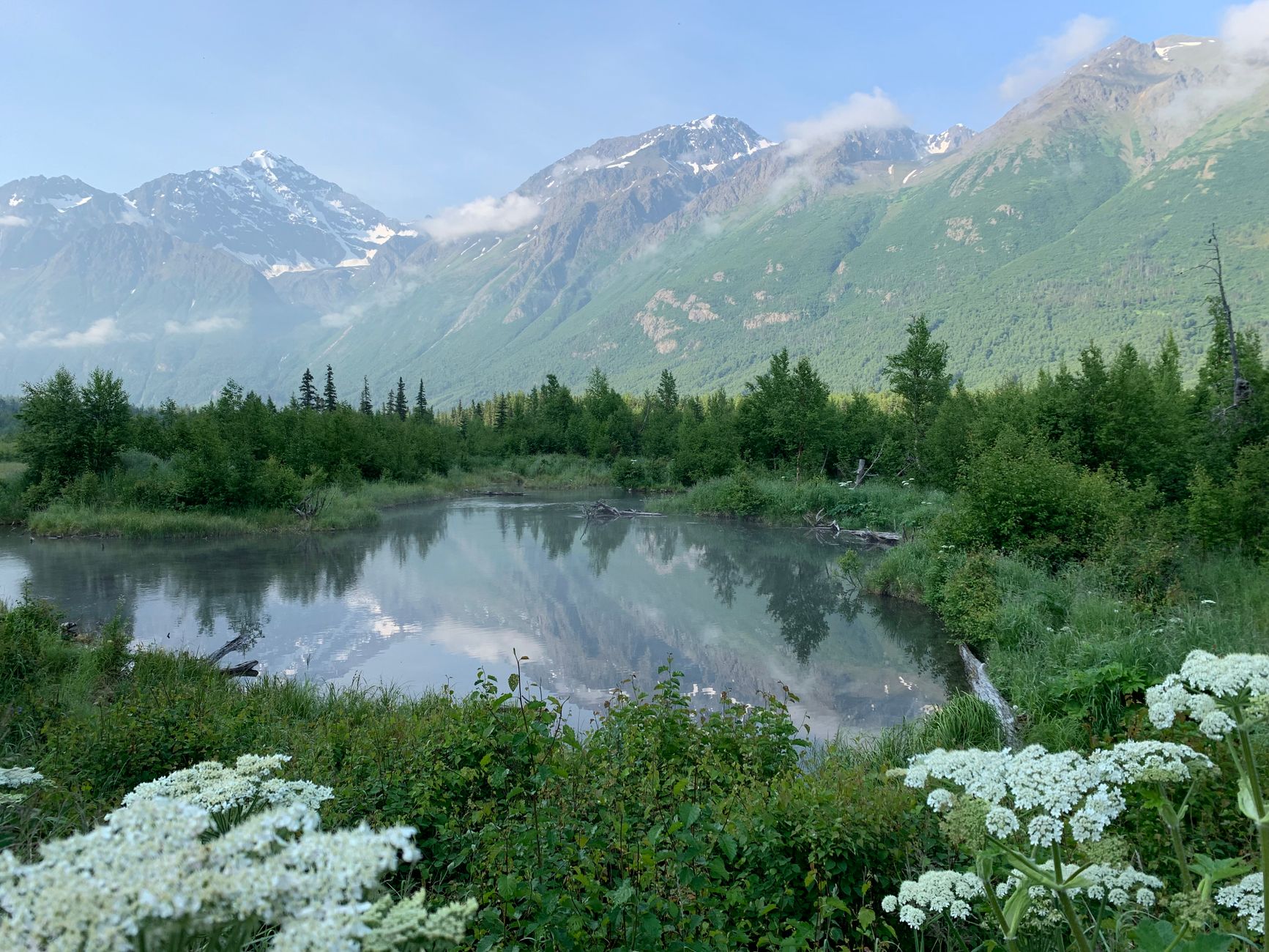
Alaska is a stunning destination known for its breathtaking landscapes, vibrant wildlife, and unique cultural experiences. However, a common question travelers have is whether a passport is necessary to visit this northern U.S. state. Understanding the requirements for entering Alaska will help you plan your trip effectively.
This guide details the passport requirements for traveling to Alaska, how to get there, what to consider when planning your visit, the best attractions to see, and much more. Whether you are exploring the majestic national parks or experiencing the charm of local towns, being well-prepared enhances your travel experience.
Do You Need A Passport To Go To Alaska?
No, you do not need a passport to travel to Alaska if you are a U.S. citizen flying within the United States. However, if you are coming from another country, including Canada, you will need a valid passport. U.S. citizens should carry a government-issued photo ID, such as a driver’s license, to board domestic flights.
Traveling from the Mainland U.S. to Alaska
Getting to Alaska is straightforward if you are coming from the mainland U.S. Various airlines offer direct flights to major Alaskan cities, including Anchorage, Fairbanks, and Juneau. Here’s how to get started:
- Air Travel: Most travelers opt for flights, which are the quickest way to reach Alaska. Flights can be booked through reputable airlines, and direct flights are available from major hubs like Seattle and Portland.
- Driving: If you’re feeling adventurous, consider a road trip to Alaska. The Alaskan Highway is a scenic drive that runs through Canada. Keep in mind you’ll need a valid passport to cross into Canada.
- Cruises: Another popular method of traveling to Alaska is via cruise ships, which often depart from Seattle or Vancouver during the summer months. Passengers will need a passport for cruises beginning or ending in Canada.
Essential Travel Documents
Even if you do not need a passport as a U.S. citizen, it is advisable to carry certain documents for smooth travel:
- Photo Identification: A state-issued driver’s license or a government ID is necessary for check-in at airports and boarding flights.
- Insurance Information: Travel insurance is not mandatory but is highly recommended. It can cover unexpected medical emergencies, trip cancellations, and other travel-related issues.
- Emergency Contacts: Make sure you have a list of important contacts, including family members, local emergency services, and your country’s embassy if traveling from abroad.
Best Times to Visit Alaska
Timing your visit to Alaska can significantly impact your experience and activities available during your stay. Here’s a breakdown of seasonal considerations:
Summer (May to September)
Summer is the most popular time to visit Alaska, with long days and mild weather. Temperatures can range from 60°F to 80°F, depending on the region. Activities like hiking, wildlife viewing, and fishing are in full swing during these months.
Fall (September to November)
Fall offers beautiful foliage and is an excellent time for photography and sightseeing. However, temperatures will begin to drop, and some services may close for the season.
Winter (December to March)
Winter is perfect for snow sports enthusiasts. Visitors can enjoy skiing, snowmobiling, and even the Northern Lights, though temperatures can be quite cold, averaging 0°F to 30°F.
Spring (April to May)
Spring features melting snow and blossoming flora, making it ideal for those who want to avoid summer crowds. The weather is still cool, so dress accordingly.
Length of Stay
The ideal length of stay in Alaska varies based on what you want to see and do. A minimum of five to seven days is recommended to explore key destinations. Here are some specific suggestions:
- 5 Days: Suitable for a brief overview, including a mix of Anchorage and a national park like Denali.
- 7 to 10 Days: Allows for a more in-depth experience, incorporating a cruise into the itinerary and visiting cities like Seward or Juneau.
- 2 Weeks or More: Ideal for comprehensive exploration, including multiple regions and activities, such as visiting the Arctic.
Transportation Around Alaska
Once in Alaska, navigating the state requires careful planning due to the vast landscapes and limited road access to some areas. Here are the main transportation methods:
Rental Cars
Renting a car is one of the best ways to explore Alaska. Most major cities have rental agencies, and having a personal vehicle allows flexibility to visit remote locations at your own pace.
Public Transportation
Public transportation options are limited but can be found in larger cities like Anchorage and Fairbanks. Buses are available, though schedules may be irregular.
Alaska Railroad
The Alaska Railroad offers scenic train journeys between Anchorage, Seward, and Fairbanks. It’s a relaxing way to see the landscape and learn about the region.
Domestic Flights
For longer distances, particularly to reach smaller towns, consider flying. Several regional airlines operate flights between major cities and remote locations.
Must-See Attractions
Alaska boasts some of the most breathtaking sights in the U.S. Here are key attractions worth your time:
Denali National Park
Home to North America’s highest peak, Denali, this park offers stunning views, wildlife spotting opportunities, and hiking trails for all levels. Visiting in late spring or summer increases the likelihood of scenic vistas.
Glacier Bay National Park
This UNESCO World Heritage Site features striking glaciers, fjords, and diverse ecosystems. Travelers can experience it by boat tours or sea kayaking.
Kenai Fjords National Park
Kenai Fjords is famous for its stunning coastal landscapes and glaciers. Wildlife such as sea lions, seals, and orcas can be seen in their natural habitat.
Anchorage Museum
The Anchorage Museum presents a dive into Alaskan history, art, and culture, making it a great starting point for visitors wanting to learn more about the state.
Whale Watching
Various locations across Alaska offer whale-watching tours, especially in Juneau and Seward. The best months for sightings are May to September.
Accommodations in Alaska
Choosing where to stay is essential for an enjoyable Alaskan experience. Options range from luxury hotels to rustic cabins. Here are a few to consider by region:
Anchorage
- Hotels: Popular options include the Hotel Captain Cook and the Sheraton Anchorage Hotel.
- Motels and Inns: Budget-friendly options are readily available for those looking to save.
Fairbanks
- Hotels: The Pioneer’s Park Inn offers good amenities.
- Bed and Breakfasts: Local B&Bs can provide a more intimate experience.
Outside Major Cities
- Cabins and Lodges: Consider an Alaskan lodge or cabin, particularly in more remote areas for an authentic experience.
Food and Drink in Alaska
Alaska’s culinary scene is diverse, with an opportunity to taste fresh seafood, game meats, and local ingredients. Here are some highlights:
Seafood
- Salmon: Salmon is a staple, often grilled or smoked.
- Halibut: Halibut is another must-try, prepared in various styles.
Game Meats
Be sure to sample game meats like moose, caribou, and bison. Many local restaurants feature these in their menus.
Local Delicacies
Try traditional dishes such as reindeer sausage and akutaq, which is commonly known as “Eskimo ice cream,” made from reindeer fat, sugar, and berries.
Tips for a Successful Trip
To ensure a well-rounded travel experience in Alaska, here are some helpful tips:
- Pack Layers: Weather can change rapidly. Bring layers to adapt to varying temperatures.
- Plan Activities in Advance: Popular tours can book up quickly, especially during peak season. Reserve early.
- Stay Informed about Wildlife: Understanding local wildlife and adhering to safety measures is essential, especially when hiking or camping.
- Learn About Local Culture: Engage with local traditions and history to enrich your experience.
Safety Considerations
Alaska is generally safe for travelers, yet it’s essential to approach certain activities with caution:
- Wildlife Encounters: Keep a safe distance from wildlife, and do not approach animals.
- Weather Conditions: Be prepared for sudden changes in weather. Carry essentials such as sunscreen and rain gear.
- Travel Plans: Inform someone of your travel plans, especially when venturing into remote areas.
With this information at hand, you are well-equipped to plan an unforgettable trip to Alaska. Make sure to check local requirements and travel advisories as situations can change rapidly.
If you are curious about travel requirements in other destinations, check out our guides on traveling to Aruba and Canada for further assistance.