
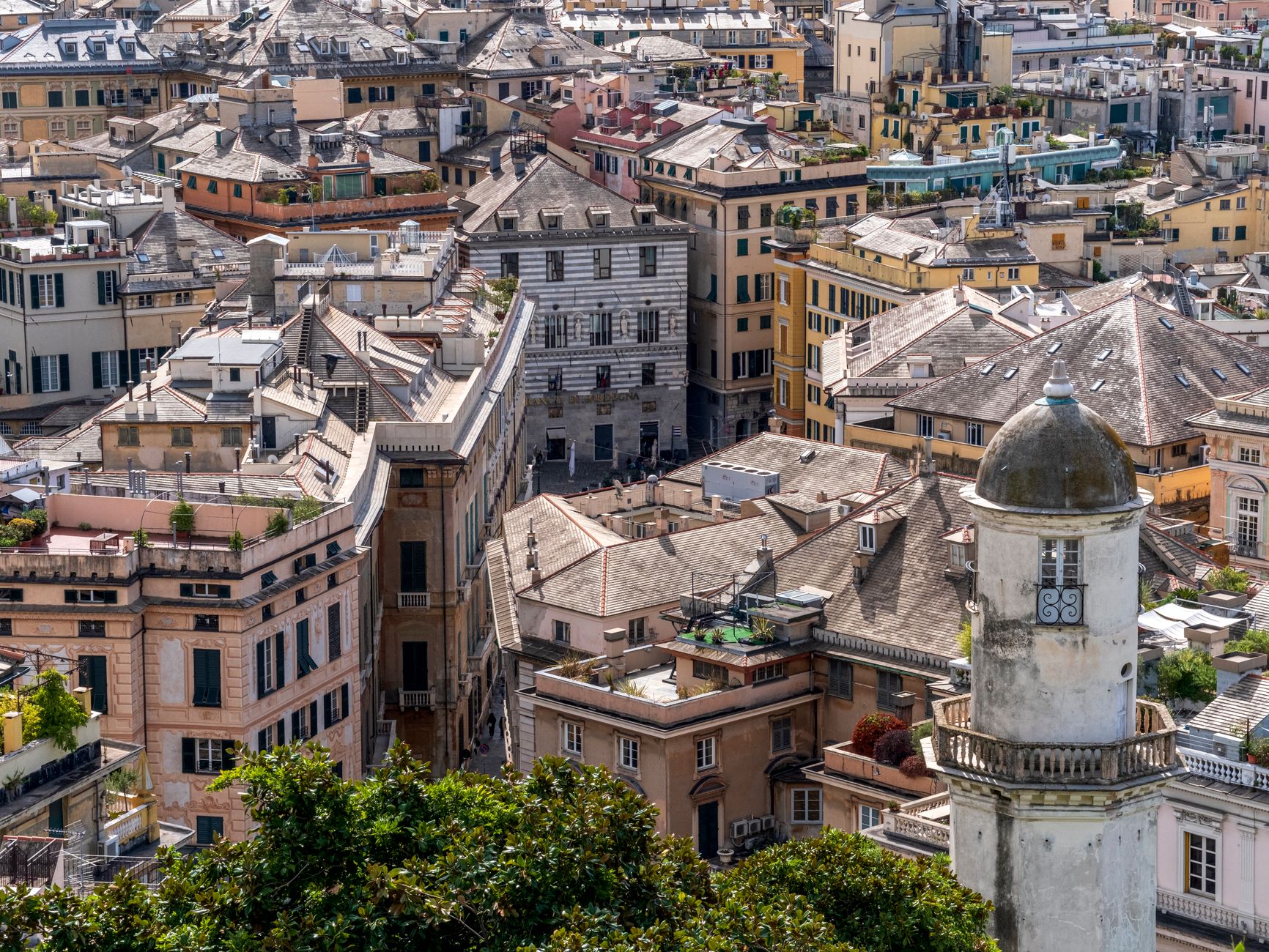
Milan, a city renowned for its fashion, art, and rich history, presents a plethora of accommodation options for travelers. Whether you are visiting for a weekend getaway or an extended stay, choosing the right area to stay in is crucial for fully experiencing what the city has to offer. This guide will help you navigate your options effectively.
With its vibrant neighborhoods, each offering unique charms and attractions, locating the ideal place to stay in Milan can be a daunting task. From the elegant streets of the historic center to the trendy vibe of Brera, we explore where to stay based on preferences, interests, and budgets.
Where To Stay In Milan?
When deciding where to stay in Milan, consider locations that suit your itinerary and travel style. There are a variety of neighborhoods, each with its own flair, making it easy to find accommodations that meet your needs.
Best Neighborhoods to Consider
Centro Storico (Historic Center)
The historic center of Milan is undoubtedly the most desirable area for many visitors. Here, you’ll find iconic attractions such as the Duomo di Milano, Galleria Vittorio Emanuele II, and La Scala opera house. Staying in the Centro Storico allows for easy walking access to many sites, restaurants, and shops.
- Pros: Central location, proximity to major attractions, vibrant atmosphere.
- Cons: Can be more expensive, tourist-heavy.
Brera District
The Brera District is known for its artistic vibe and quaint streets. This trendy neighborhood is home to the Pinacoteca di Brera, showcasing a fine collection of Renaissance art. Strolling through Brera feels like stepping into a painting, with its charming boutiques and cozy cafes.
- Pros: Bohemian atmosphere, artsy vibe, excellent dining options.
- Cons: Can be pricey for accommodations.
Navigli District
Famous for its picturesque canals, the Navigli District is a vibrant area bustling with nightlife. The canals are lined with bars and restaurants, making it a perfect choice for those who wish to experience Milan’s lively evenings. Staying here offers a unique blend of history and modern life.
- Pros: Energetic vibe, great dining and nightlife options.
- Cons: Can be noisy at night.
Porta Romana
Porta Romana is a trendy neighborhood that offers a mix of local charm and modern amenities. It is known for its relaxed atmosphere and historic buildings. This area is a little farther from the main tourist spots but offers a more authentic Milanese experience, especially in local restaurants and shops.
- Pros: Less touristy, authentic local experience.
- Cons: Not as close to major attractions.
Isola District
The Isola District is known for its cutting-edge design and cultural scene. With a youthful vibe, it is a hub for creatives and offers plenty of unique bars and boutiques. The nearby Porta Garibaldi train station makes it easy to explore beyond the city.
- Pros: Trendy atmosphere, design-centric area.
- Cons: Can be quieter at night compared to other areas.
Accommodation Types
Hotels
Milan is home to a variety of hotels, ranging from luxurious five-star establishments to budget-friendly options. Some popular choices include:
- Luxury: The Room Mate Giulia Hotel and Hotel Spadari al Duomo offer upscale amenities and prime locations in the city center.
- Mid-range: Hotel De La Ville and Hotel Berna provide comfortable stays with convenient access to key attractions.
- Budget: Ostello Bello and B&B Hotel Milano offer affordable accommodations while ensuring a clean and pleasant experience.
Vacation Rentals
For travelers seeking a home-like atmosphere, vacation rentals are an excellent choice. Platforms like Airbnb and Vrbo provide options ranging from cozy apartments in the heart of the city to larger homes suitable for families. This can be particularly advantageous for longer stays or group travel.
Hostels
If you’re traveling on a budget or looking to meet fellow travelers, hostels can be a great pick. Hostel options in Milan vary widely, but many offer socialization opportunities alongside basic accommodations. Good options include:
- MEININGER Milano Garibaldi: A modern hostel in a vibrant area.
- Ostello Bello: Known for its communal atmosphere and events.
Transportation in Milan
Getting around Milan is relatively straightforward thanks to its extensive public transportation system, which includes trains, trams, and buses. Here’s how to navigate the city:
Public Transport
- Metro: Milan’s metro has four lines that connect most neighborhoods and attractions, making it a quick way to travel through the city.
- Buses & Trams: Buses and trams complement the metro, covering areas that aren’t accessible by train. Tickets can be purchased at vending machines or online.
Taxis and Ride-Sharing
While taxis are available throughout the city, using ride-sharing apps like Uber can be a convenient choice, especially in the more distant neighborhoods. Keep in mind that taxi fares can add up quickly, so plan accordingly if you’re on a budget.
Walking and Biking
Milan is a pedestrian-friendly city, particularly in the historic center. Renting a bike through the city’s bike-sharing program, BikeMi, is another great way to explore. Many areas have dedicated bike lanes, making it an enjoyable and safe option.
Best Times to Visit Milan
The timing of your visit can significantly impact the experience. Here are some seasonal considerations:
- Spring (March to May): Mild weather and blooming flowers make this a popular time for visitors. Expect larger crowds, particularly in April during Milan’s Salone del Mobile (design week).
- Summer (June to August): Hot weather leads to an influx of tourists wanting to explore the city. Although you can enjoy outdoor events, be prepared for higher accommodation rates.
- Autumn (September to November): The weather is pleasant, and you can find more affordable accommodation options after the summer peak season.
- Winter (December to February): Though cold, this season can be magical, especially with Christmas markets. It’s an ideal time to enjoy lower prices on accommodations.
Suggested Length of Stay
For a well-rounded Milan experience, a stay of 3 to 5 days is recommended. This length allows time to visit the key attractions, enjoy local cuisine, and even take day trips to nearby destinations like Lake Como or Bergamo. If you plan to explore more of the region, consider extending your stay.
Budget Considerations
Milan can cater to varying budgets, whether you’re looking for luxury or a more affordable experience. Here are some tips to help manage costs:
- Accommodations: Prices can range widely depending on the area and time of year. Book in advance and consider locations slightly outside the city center for better deals.
- Dining: Enjoying an aperitivo is a local tradition that’s both affordable and enjoyable. For meals, explore local trattorias for authentic cuisine.
- Attractions: Many museums and galleries offer discounted admission on certain days. Always check for free entry days and combined tickets.
Practical Planning Tips
To ensure a smooth stay in Milan, keep these tips in mind:
- Learn basic Italian phrases; locals appreciate the effort.
- Be mindful of religious sites’ dress codes, especially at the Duomo.
- Ensure you have appropriate plug adapters for your electronic devices.
Family and Solo Traveler Considerations
Family-Friendly Activities
Milan offers various attractions that cater to families. Consider visiting:
- The Sforza Castle and its surrounding park.
- Exploring museums specifically designed for children, such as the Museo della Scienza e della Tecnologia.
Solo Travel Tips
Milan is generally safe for solo travelers; however, exercise common sense, particularly in crowded areas. Engage with locals in cafes and restaurants, which often leads to memorable experiences. Additionally, keep your belongings secure while exploring to avoid pickpocketing incidents.
Conclusion
Milan offers diverse options for accommodations tailored to varying interests, ensuring every traveler finds a fitting base for exploring the city’s architectural wonders, fashion scenes, and culinary delights. Remember to choose an area that aligns with your travel goals to make the most of your time in this beautiful city.
To continue your travel planning, check out related guides on where to stay in Osaka and where to stay in Lisbon. These resources can help enhance your travel experience in other vibrant destinations.