
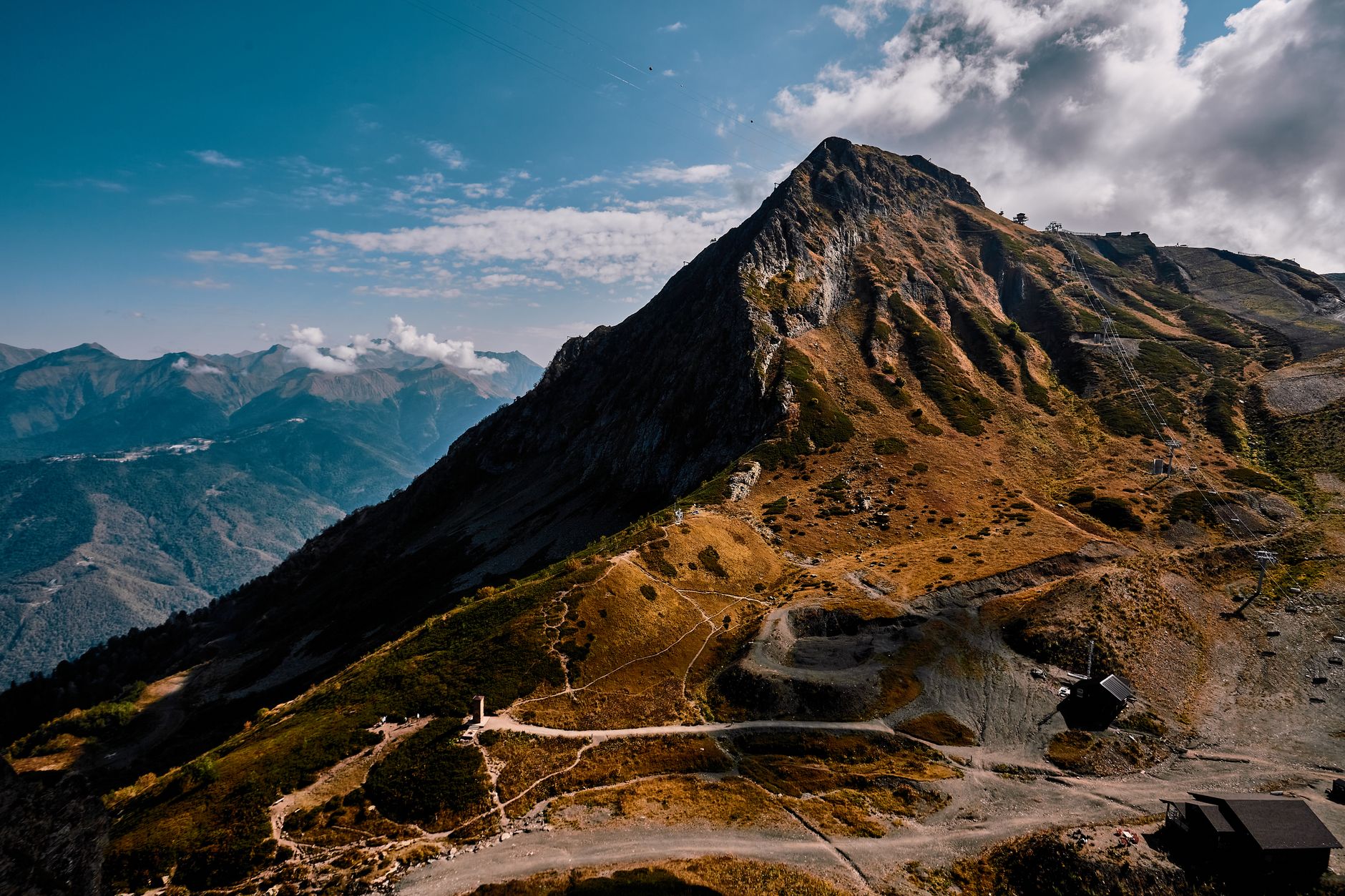
Mount Fuji, Japan’s highest peak, stands impressively at 3,776 meters (12,389 feet) above sea level. This iconic stratovolcano is not just a geographical landmark; it is a symbol of Japan and attracts countless visitors each year. Knowing its height and geographical significance is key to understanding why Mount Fuji is a must-visit destination.
In addition to its towering stature, Mount Fuji offers a variety of experiences for different types of travelers. From seasoned climbers seeking the challenge of its ascent to curious tourists wanting to enjoy the scenic views, there are plenty of activities and attractions surrounding this majestic mountain.
How Tall Is Mount Fuji?
Mount Fuji is 3,776 meters (12,389 feet) tall, making it the highest peak in Japan. Its symmetrical cone shape is famous worldwide and has been a source of inspiration in Japanese art and culture for centuries.
A Guide to Climbing Mount Fuji
One of the most popular activities for visitors is climbing the mountain. The climbing season typically runs from early July to early September, when the weather conditions are most favorable. During this peak time, various climbing routes are available, with the Yoshida Trail being the most frequented due to its access to transportation and facilities.
Climbing Routes
- Yoshida Trail: Starting from the Fifth Station, this trail is well-maintained and equipped with huts for rest and meals.
- Subashiri Trail: This route offers a mix of lush greenery and volcanic features, providing a different view as you ascend.
- Gotemba Trail: The longest route, known for its beautiful evening views but less crowded than the other trails.
- Fujinomiya Trail: The shortest route to the summit, though quite steep; it’s perfect for those looking to make a quick ascent.
Preparation for Climbing
Climbing Mount Fuji requires adequate preparation. While the ascent can be done in a day, many climbers choose to stay overnight at mountain huts, which can be reserved in advance. Essential items to pack include:
- Sturdy hiking boots
- Warm clothing layers
- Water and snacks
- Headlamp for early morning or late evening climbs
- First-aid kit
It’s also essential to acclimatize by taking it slow, especially during ascents. The mountain’s altitude can lead to altitude sickness for those unaccustomed to it.
When to Visit Mount Fuji
While Mount Fuji can be admired year-round, the best time to visit, particularly for climbing, is during the summer months of July and August. The weather is typically clearer, and facilities are operational.
Seasonal Considerations
- Spring (March to May): Cherry blossoms bloom in the surrounding areas, providing stunning contrasts to the snow-capped mountain peak.
- Summer (June to August): The climbing season; warm weather and clear skies make it ideal for hiking.
- Autumn (September to November): Dazzling fall foliage can be enjoyed, although climbing options become limited.
- Winter (December to February): Snow covers the mountain, offering picturesque views, but climbing is not advisable due to severe weather conditions.
How to Get to Mount Fuji
Located approximately 100 kilometers (62 miles) southwest of Tokyo, Mount Fuji is easily accessible by various forms of transportation. The most common approach is to use a combination of trains and buses.
Transportation Options
- By Train: Utilize the JR Tokaido Shinkansen to reach Mishima Station, then take a bus to one of the Fifth Stations.
- By Bus: Direct highway buses run from major cities like Tokyo, Shinjuku, and Yokohama to Fuji Five Lakes or the Fifth Stations.
- By Car: Rent a car if you prefer flexibility, with parking available at the base of the mountain.
Exploring the Surroundings of Mount Fuji
The areas surrounding Mount Fuji, such as the Fuji Five Lakes and Hakone, offer additional attractions worth exploring. These locations provide picturesque views of the mountain, recreational activities, and cultural experiences.
Fuji Five Lakes
This scenic region includes five lakes—Lake Kawaguchi, Lake Yamanaka, Lake Sai, Lake Shoji, and Lake Motosu—all of which offer stunning reflections of the mountain. Activities such as kayaking, fishing, and hiking are popular here, as well as enjoying the seasonal cherry blossoms or autumn colors.
Hakone
Another popular destination near Mount Fuji, Hakone is famous for its hot springs, art museums, and views of the mountain. The Hakone Ropeway offers remarkable aerial views, while various onsens (hot springs) can provide a relaxing experience after a day of exploring.
Accommodation Options Near Mount Fuji
Choosing the right accommodation allows you to fully enjoy your Mount Fuji experience. There are many options catering to various budgets and preferences, ranging from traditional ryokans to modern hotels.
Where to Stay
- Hotels/Resorts: Look for hotels in the Fujikawaguchiko area, which provide splendid views of Mount Fuji.
- Hostels: Budget-friendly hostels and guesthouses offer affordable lodging with other travelers.
- Traditional Ryokans: Experience Japanese culture by staying in a traditional inn with tatami mat rooms and onsens.
- Mountain Huts: For climbers, reserving a spot in one of the mountain huts allows for an overnight stay on the ascent.
Food and Drink Around Mount Fuji
Sampling local cuisine during your visit enhances the travel experience. The areas surrounding Mount Fuji offer a variety of dining options with cultural significance.
Local Specialties
- Hoto: A noodle soup dish from the Yamanashi region, made with flat noodles and seasonal vegetables.
- Grilled Fish: Local freshwater fish is often grilled to perfection; restaurants specializing in traditional cuisine serve this dish with various accompaniments.
- Sake: The region is known for its sake production; consider participating in local tastings.
Tips for Visiting Mount Fuji
Here are practical tips to help you enjoy your visit to Mount Fuji:
- Check the weather before your visit. Mountain conditions can change rapidly.
- Consider purchasing a Mount Fuji climbing permit if you plan to hike to the summit.
- Bring cash, as not all locations may accept credit cards.
- Respect the local environment by staying on designated paths and cleaning up after yourself.
Essential Packing List for Mount Fuji
When preparing for your trip to Mount Fuji, ensure you pack appropriately to handle various activities and weather conditions. Below is a packing list to consider:
- Climbing gear (hiking poles, gloves, etc.)
- Appropriate hiking attire (thermals, jackets, hats)
- Reusable water bottle
- Camera for capturing breathtaking views
- Sun protection (sunscreen, sunglasses)
- Portable charger for electronics
Accessibility Considerations
For travelers with mobility concerns, it’s essential to note that while some areas near Mount Fuji are accessible, the summit hike is strenuous and may not be suitable for everyone. However, many viewing points and attractions around Mount Fuji offer accessibility and can be enjoyed by all visitors.
Family Travel Tips
Families visiting Mount Fuji can enjoy several safe and accessible activities. The Fuji Five Lakes area is great for children, offering recreational options and laid-back walking trails. Ensure to plan limited hiking for younger children and pack snacks and games for downtime.
Safety Considerations
As with any outdoor adventure, safety measures should be a priority when visiting Mount Fuji. Here are some key tips to keep in mind:
- Stay informed about local weather conditions.
- Always let someone know your plans when hiking.
- Carry essential supplies and remain hydrated.
- Follow local guidelines and trail markers.
Visiting Mount Fuji is not just about witnessing its impressive height; it’s about immersing yourself in the culture, natural beauty, and experiences that this iconic volcano has to offer. Plan ahead, prepare properly, and enjoy your time in the breathtaking landscape surrounding one of Japan’s most recognizable symbols.
For more travel tips and information, check out how long a flight to Japan takes or learn about snow conditions in Japan.