
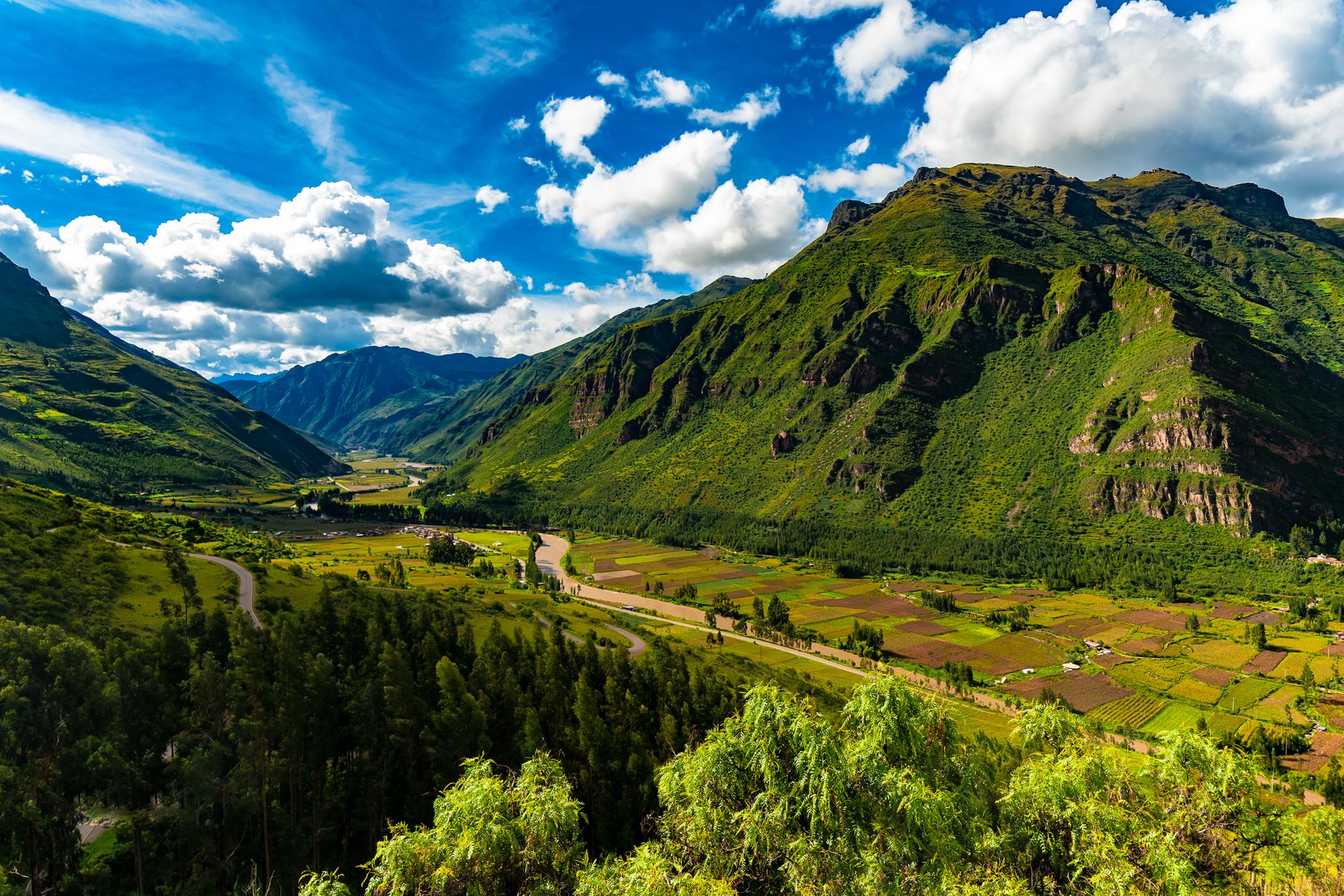
Bolivia, a landlocked country in the heart of South America, is known for its stunning natural beauty, diverse cultures, and rich history. Travelers flock to this destination to experience its unique landscapes, vibrant indigenous traditions, and extraordinary wildlife. With so much to offer, it is no wonder Bolivia has become a popular spot for adventurers and cultural enthusiasts alike.
This guide will delve into what makes Bolivia a must-visit destination. From the otherworldly Salar de Uyuni salt flats to the bustling markets in La Paz, you will discover the experiences and attractions that set this country apart.
What Is Bolivia Known For?
Bolivia is known for its breathtaking landscapes, rich cultural heritage, and diverse wildlife. Travelers are drawn to its unique attractions, including the Salar de Uyuni salt flats, Lake Titicaca, and the Andes Mountains. Bolivia also boasts vibrant festivals, historical sites, and indigenous communities that showcase a blend of ancient customs and modern life.
Natural Wonders
One of the most important aspects of Bolivia is its diverse geography, which is home to some of the world’s most stunning natural attractions. Here are a few highlights.
Salar de Uyuni
The Salar de Uyuni, the largest salt flat in the world, is an extraordinary sight to behold. Stretching over 10,000 square kilometers, this otherworldly landscape is famous for its mirror-like surface during the rainy season. It serves as a crucial habitat for migratory birds, especially flamingos, and is surrounded by unique geothermal formations, including hot springs and geysers.
Lake Titicaca
As the highest navigable lake in the world, Lake Titicaca offers stunning views and a range of cultural experiences. Both Bolivia and Peru share this massive lake. Visitors can take boat tours to explore its islands, including the famous Isla del Sol and Isla de la Luna, rich in indigenous myth and culture.
Mount Illimani and the Andes
Bolivia boasts breathtaking mountain ranges, with the Andes being the most notable. Mount Illimani, the highest peak in the Cordillera Real, rises majestically over La Paz and provides excellent trekking opportunities for adventurous souls.
Madidi National Park
This biodiversity hotspot is located in northwestern Bolivia and is home to an array of wildlife, including jaguars, pink river dolphins, and hundreds of bird species. Ecotourism is thriving in the area, and visitors can enjoy guided tours into the Amazon rainforest, offering a chance to experience the region’s remarkable flora and fauna.
Cultural Heritage
Bolivia’s cultural heritage is a rich tapestry woven from its indigenous roots and colonial history. The influence of Aymara and Quechua cultures is palpable throughout the country, especially in traditional clothing, music, and festivals.
Indigenous Communities
Bolivia has a significant indigenous population, and many communities continue to practice ancient traditions. Some notable indigenous groups include the Aymara, Quechua, and Guarani. Engaging with these communities offers travelers a unique glimpse into their customs, rituals, and daily life.
Historical Landmarks
Bolivia has numerous historical landmarks that reflect its rich history. Tiwanaku, a UNESCO World Heritage site, features impressive ruins from one of the most prominent ancient civilizations in the region. The colonial architecture found in cities like Sucre and Potosí is a reminder of Bolivia’s Spanish colonial past.
Festivals
Bolivia is known for its lively festivals, which are deeply rooted in its cultural identity. The Carnival of Oruro is one of the most famous, featuring colorful parades, traditional music, and elaborate costumes. Other notable celebrations include the Fiesta de la Virgen de la Candelaria and Todos Santos, showcasing the fusion of indigenous and Catholic traditions.
Unique Experiences
In addition to stunning landscapes and rich culture, Bolivia offers unique experiences that travelers will not find elsewhere.
Traveling by Bus
Overland travel in Bolivia provides a chance to see the stunning scenery of the country. Long-distance buses are a popular means of transportation, offering a more authentic travel experience. Popular routes include La Paz to Uyuni and La Paz to Copacabana.
Culinary Adventures
Bolivian cuisine offers a delightful mix of flavors influenced by indigenous ingredients and traditions. Street food is a must-try, with dishes like salteñas (savory pastries) and anticuchos (grilled skewers) being popular snacks. Visitors should also sample traditional dishes such as pique a lo macho and sajta de pollo.
Exploring the Death Road
The notorious “Death Road,” officially known as Yungas Road, is famous for its steep cliffs and narrow paths. Adventurous travelers tackle this biking route, enjoying exhilarating views while navigating down the mountain. While famous for its danger in the past, the constructed alternative does provide a safer option.
Getting There and Transportation
Reaching Bolivia is relatively easy, with international airports in major cities like La Paz and Santa Cruz. Domestic flights connect different regions, but overland travel is common for budget travelers.
International Airports
El Alto International Airport in La Paz is the main gateway for international flights, situated at one of the highest elevations of any capital city. Jorge Wilstermann International Airport in Cochabamba and Viru Viru International Airport in Santa Cruz offer additional options.
Getting Around
Bolivia’s bus and minibus system is extensive and affordable, making it easy to travel between cities. Local taxis and rideshare services are widely available in urban areas, while bike rentals and walking are popular within towns.
Safety and Health Considerations
As in any travel destination, safety is a priority. Travelers should remain vigilant, especially in crowded areas, and secure their belongings. It is important to take altitude sickness precautions, especially when visiting high-altitude regions like La Paz. Staying hydrated and taking it easy during the first days is crucial.
Where to Stay
Bolivia offers a variety of accommodation options, catering to different budgets and preferences. From hostels to luxury hotels, there is something for every traveler.
La Paz
The heart of Bolivia, La Paz features numerous accommodation options. Hostels like Wild Rover are popular for budget travelers, while hotel options like Hotel Europa provide more upscale experiences.
Uyuni
In the Uyuni region, consider the Salt Hotel, made entirely of salt blocks, for a unique stay. Many travelers opt for guesthouses or hostels, with options like La Petite Studios offering comfortable stays near the salt flats.
Lake Titicaca
Copacabana offers various accommodations, including lakeside hotels for stunning views. Budget-friendly hostels like Hostal Manka Kota provide affordable options with great access to the lake.
When to Visit Bolivia
The best time to visit Bolivia depends on the regions you wish to explore. The dry season from May to October is ideal for the salt flats, trekking, and highland activities, while the rainy season from November to March provides lush landscapes but can hinder travel to some areas.
Seasonal Considerations
During the dry season, clear skies provide excellent visibility for mountain views and photography. However, the rainy season offers a unique opportunity to witness vibrant flora, particularly in the Amazon basin.
Suggested Itinerary
A well-planned itinerary can help ensure that you experience the best that Bolivia has to offer. Here’s a sample 10-day itinerary to get you started.
- Day 1-3: La Paz
- Explore the Witches’ Market and Plaza Murillo.
- Take the teleférico for great views of the city.
- Day trip to the Valle de la Luna.
- Day 4-5: Copacabana and Lake Titicaca
- Travel to Copacabana for stunning lakeside views.
- Take a boat trip to Isla del Sol and Isla de la Luna.
- Day 6-7: Uyuni and Salar de Uyuni
- Join a tour for a multi-day excursion to the salt flats.
- Visit Isla Incahuasi for breathtaking views.
- Day 8: Potosí
- Explore the historical mining city of Potosí.
- Visit Cerro Rico and learn about its history.
- Day 9-10: Sucre
- Enjoy the beautiful colonial architecture of Sucre.
- Visit local markets and museums.
Budget Considerations
Bolivia is known for being one of the more affordable countries in South America. Budget travelers can maximize their experiences without overspending.
Accommodation Costs
Budget accommodations can range from $10 to $25 per night, while mid-range hotels typically cost between $30 to $70. Luxury options may start at around $100 and go up significantly.
Food and Drinks
Dining in Bolivia can be very affordable, with local meals costing around $3 to $10. International restaurants will be pricer but still reasonable. A bottle of local beer typically costs around $1 to $2.
Transportation Costs
Long-distance bus fares range from $5 to $15 depending on the distance, whereas local transportation within cities is also very affordable, usually under $1 for short rides.
Tips for Traveling in Bolivia
To make the most of your trip, consider these practical travel tips:
- Learn some basic Spanish phrases, as English is not widely spoken.
- Carry cash, as many smaller establishments do not accept cards.
- Keep hydrated and take altitude sickness seriously.
- Respect local customs and traditions in indigenous communities.
- Beware of altitude sickness and give your body time to acclimatize.
With its diverse landscapes, rich cultural heritage, and welcoming communities, Bolivia offers a travel experience unlike any other. Whether you’re looking for adventure, cultural immersion, or captivating sights, this country has something for every traveler.
Start planning your trip to Bolivia today for an unforgettable adventure filled with natural wonders and unique cultural experiences!
Explore related destination guides and travel-planning articles like What is Bolivia Known For and What is Colorado Known For.