
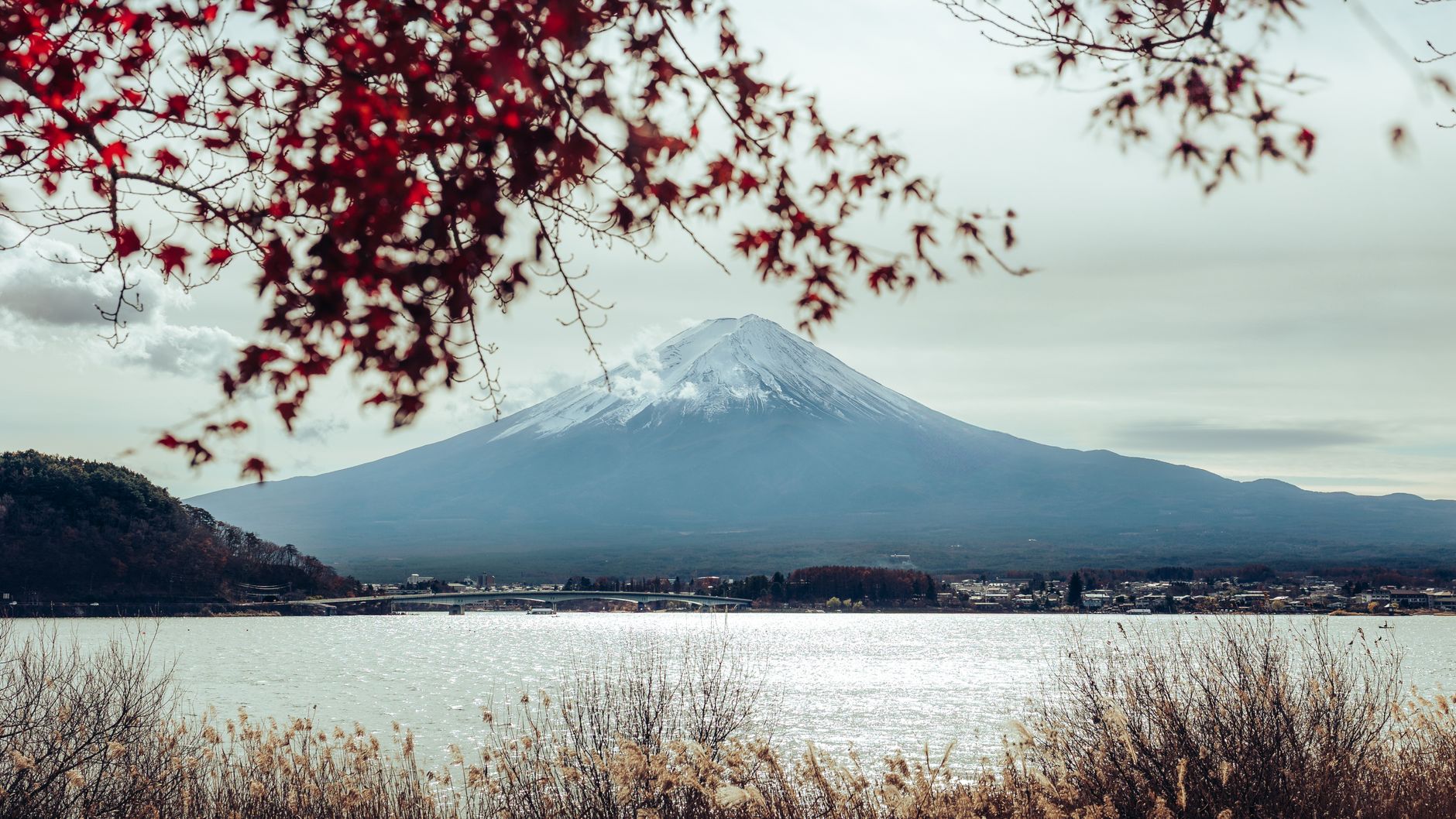
Japan is a country defined by its seasons, each bringing unique beauty and cultural significance. Whether you’re drawn to the vibrant cherry blossoms of spring or the serene landscapes blanketed in winter snow, understanding the seasonal shifts is essential for planning your trip. This guide dives into the seasons in Japan and offers practical tips for making the most of your visit.
Here, you’ll learn about the four distinct seasons—spring, summer, autumn, and winter—each characterized by specific weather patterns, festivals, and activities. Discover when to visit, what to pack, and how to navigate the country’s seasonal highlights.
What Season Is It In Japan?
Japan experiences four distinct seasons: spring (March to May), summer (June to August), autumn (September to November), and winter (December to February). Each season offers different experiences and attractions, making it crucial to know what to expect during your visit.
Spring in Japan: Nature’s Awakening
Spring in Japan is one of the most celebrated seasons, marked by the blooming of cherry blossoms, or sakura, which typically occurs from late March to early April. This season attracts tourists from around the world who wish to experience hanami, the traditional custom of viewing cherry blossoms.
Key Attractions and Activities
- Hanami Parties: Join locals in parks to celebrate the cherry blossoms with picnics under the trees.
- Visit Famous Cherry Blossom Spots: Popular locations include Ueno Park in Tokyo, Maruyama Park in Kyoto, and the Hirosaki Castle in Aomori.
- Spring Festivals: Participate in festivals like the Takayama Spring Festival, featuring parades and traditional floats.
Weather Considerations
Spring weather varies, with temperatures ranging from 10°C to 20°C (50°F to 68°F). Pack layers, including a light jacket, as mornings and evenings can be cool.
Best Areas to Visit
Along with major cities like Tokyo and Kyoto, consider visiting Hokkaido for its stunning cherry blossoms and warm weather or Hiroshima for its historical significance and beautiful parks.
Travel Tips, Length of Stay, and Budget
A week to ten days is ideal to explore Japan in spring. Budget travelers can find reasonably priced accommodations, especially by booking in advance. Consider buying a Japan Rail Pass for transportation discounts.
Summer in Japan: Warmth and Energy
Summer in Japan, which extends from June to August, is characterized by warmth and vibrant festivals. It’s also the time for many local feasts and events, though humidity can be quite high.
Key Attractions and Activities
- Summer Festivals: Experience the Gion Matsuri in Kyoto or the Tenjin Matsuri in Osaka with fireworks and traditional dances.
- Explore Coastal Areas: Take advantage of the warmer weather by visiting Okinawa or seaside locations like Kamakura.
- Outdoor Adventures: Hiking in the Japanese Alps or strolling through beautiful gardens can be enjoyable during this season.
Weather Considerations
Summer temperatures can soar above 30°C (86°F) with high humidity, so dress comfortably in breathable fabrics and stay hydrated. Be prepared for sudden downpours, especially in June.
Best Areas to Visit
In addition to coastal regions, explore the cultural hotspots of Tokyo and Osaka, where summer festivals bring towns to life. Consider Hokkaido, too, which has a milder climate during summer.
Travel Tips, Length of Stay, and Budget
Two weeks is a good time frame for summer travel in Japan. Look for local markets for budget-friendly food and consider staying at guesthouses or hostels to lower accommodation costs. Be mindful of the air conditioning in public transport and buildings.
Autumn in Japan: A Colorful Retreat
Autumn, from September to November, is celebrated for its breathtaking foliage. The vibrant colors of the changing leaves draw countless visitors, making it another peak travel season in Japan.
Key Attractions and Activities
- Enjoy Koyo: Experience the stunning autumn foliage at locations like Nikko, Kyoto, and the Japanese Garden at Shinjuku Gyoen.
- Participate in Traditional Festivals: Attend events such as the Jidai Matsuri in Kyoto, featuring costumes from various historical periods.
- Seasonal Foods: Indulge in seasonal treats like chestnuts, sweet potatoes, and persimmons.
Weather Considerations
Autumn weather is mild and pleasant, with temperatures ranging from 10°C to 20°C (50°F to 68°F). Layering remains key, as temperatures can drop significantly in the evening.
Best Areas to Visit
Kyoto is particularly famous for its autumn leaves. Additionally, locations like Nara and Hokkaido offer delightful scenery during this time.
Travel Tips, Length of Stay, and Budget
Plan for about a week to fully enjoy what autumn in Japan has to offer. Similar to spring, pre-booking accommodations and transportation can save you money during this busy season.
Winter in Japan: A Wonderland of Snow
Winter, spanning December to February, transforms Japan into a snowy paradise, particularly in northern regions. Winter sports enthusiasts flock to the ski resorts, while others enjoy the serene beauty of snow-covered landscapes.
Key Attractions and Activities
- Hit the Slopes: Head to ski resorts like Niseko in Hokkaido and Hakuba Valley in Nagano for world-class skiing and snowboarding.
- Explore Winter Festivals: Visit the Sapporo Snow Festival, famous for its incredible snow sculptures.
- Relax in Onsen: Enjoy the hot springs in the mountains, such as those in Hakone and Beppu, a perfect way to unwind from the cold.
Weather Considerations
Winter temperatures can drop below freezing, particularly in the north. Need to bundle up with heavy coats, hats, gloves, and thermal layers when exploring.
Best Areas to Visit
Apart from ski resorts, cities like Sapporo and Aomori offer unique winter experiences, including snow festivals and beautiful city decorations.
Travel Tips, Length of Stay, and Budget
About a week is an ideal amount of time to experience winter activities in Japan. Look for package deals at ski resorts for discounts, and consider booking accommodations early, especially around holiday periods.
Getting Around Japan by Season
Japan boasts an efficient public transport system. The Japan Rail Pass is a great option for traveling between cities. Within cities, subways and buses are convenient and cost-effective.
Seasonal Transport Considerations
- Spring and Autumn: Popular seasons with peak travel. Consider reserving train seats during cherry blossom viewing and foliage season.
- Summer: Keep hydration in mind, and use air-conditioned public transport.
- Winter: Ensure you understand the train schedules, especially if heading to remote ski areas.
Accommodation Options by Season
Japan offers a variety of accommodations, from ryokans to hotels and hostels, catering to different budgets and preferences. Here’s what to consider for each season:
Spring and Autumn Stays
Book accommodations in advance, as these peak seasons are extremely popular. Look for guesthouses to experience a more local lifestyle.
Summer Stays
Consider a mix of urban accommodations and seaside resorts. Beach resorts may offer special summer packages.
Winter Stays
Check availability at ski resorts early, and look for facilities that provide onsen to warm up after a day on the slopes.
Food & Drink Seasonal Favorites
Each season brings unique culinary offerings, deeply tied to local culture and produce.
Spring
Savor sakura-flavored sweets and early vegetables like bamboo shoots and peas.
Summer
Indulge in icy treats like kakigori (shaved ice) and refreshing seasonal sushi.
Autumn
Enjoy hearty dishes made from chestnuts and mushrooms, perfect for cooling evenings.
Winter
Warm up with comforting foods like hot pot (nabe) or ramen, along with seasonal desserts like mochi and yakiimo (roasted sweet potatoes).
Travel Planning and Tips
- Check Local Events: Each season hosts unique festivals and events; research these to enhance your itinerary.
- Pack Smart: Be mindful of the weather, and pack layers for unpredictable temperature drops.
- Language and Etiquette: While many Japanese people understand basic English, learning a few phrases can go a long way in enhancing your experience.
Accessibility and Safety Considerations
Japan is generally safe for travelers. While major cities have good infrastructure for those with mobility issues, rural areas may have less accessibility.
Traveling with Family
Japan is family-friendly, offering parks, museums, and attractions catering to children. Consider seasons that offer unique activities, like snowboarding lessons or cherry blossom picnics.
Solo Travel Safety
Japan has a low crime rate, but typical travel precautions apply. Stay aware of your surroundings, especially in crowded areas, and keep your belongings secure.
Conclusion
Japan, with its four distinct seasons, invites travelers to explore its unique beauty and culture throughout the year. From the cherry blossoms of spring to the enchanting snowscapes of winter, each season offers unforgettable experiences that cater to various interests.
To begin your journey, explore when to visit cherry blossoms in our detailed guide or learn about winter travel in Japan. Prepare for your adventure with insights on seasonal travel.