
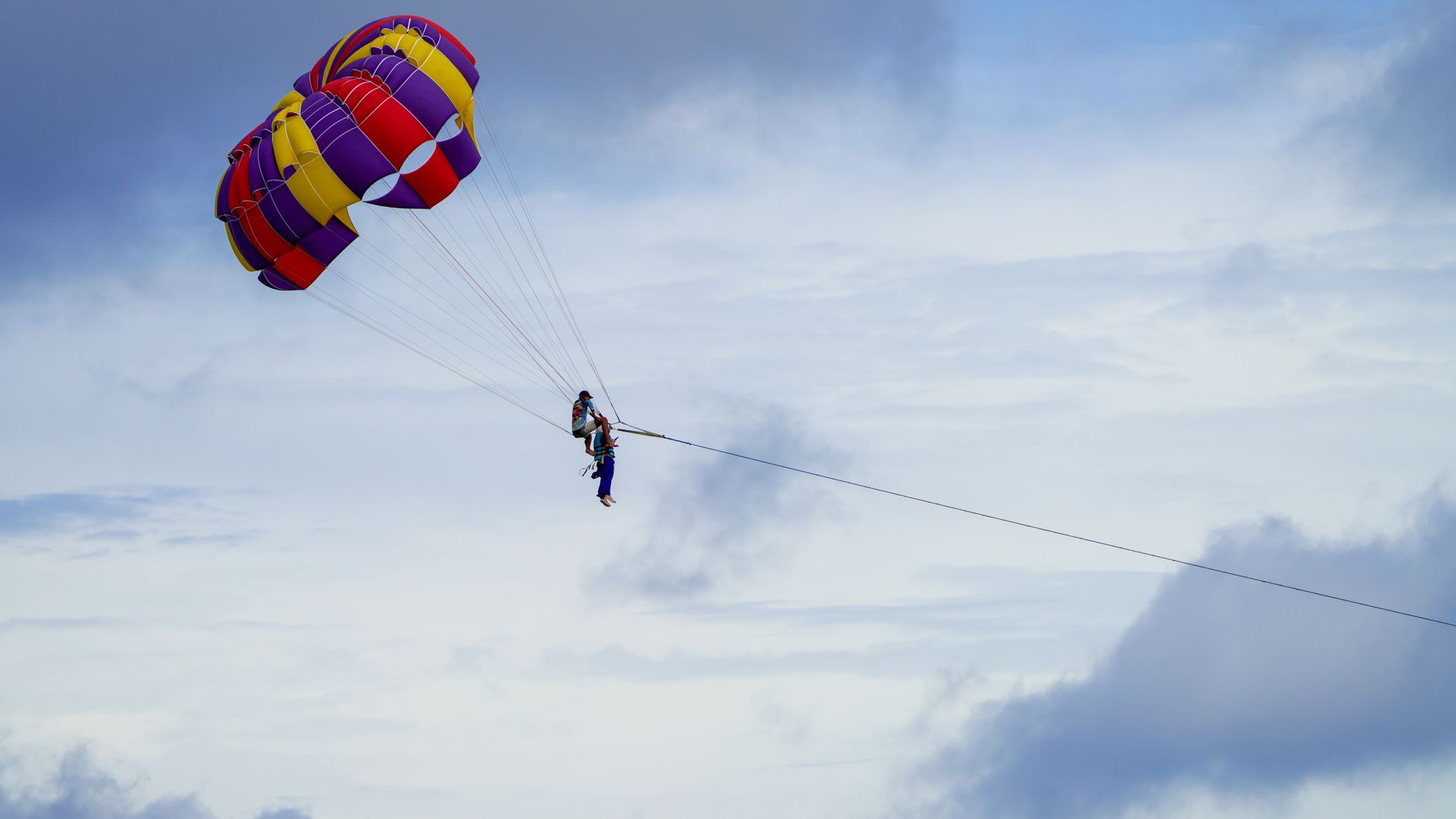
Skydiving is one of those exhilarating experiences that many travelers dream of but may not fully understand the costs involved. To help you plan your adventure, this article will break down the various expenses associated with skydiving, so you know what to expect.
From tandem jumps to solo dives, equipment rentals, and additional fees, knowing the financial aspects can help you prepare for the ultimate aerial experience.
How Much Does It Cost To Go Skydiving?
The cost of skydiving can vary significantly depending on location, type of jump, and additional services. On average, a tandem skydiving experience typically costs between $200 to $300. However, if you’re looking for more advanced solo jumps or courses, the costs can rise significantly. Always check with the skydiving center for the most current prices.
Factors like jump altitude, video packages, and travel expenses can further influence your overall budget.
Understanding the Different Types of Jumps
When considering skydiving, it’s crucial to differentiate between the types of jumps available, as each type comes with different costs and requirements.
Tandem Skydiving
Tandem jumping is the most popular choice for beginners. In this type of jump, you are harnessed to a certified instructor who takes control. It offers a minimal learning curve and a more enjoyable experience for first-timers. Generally, tandem jumps cost between $200 and $300, which often includes training and gear rental.
Static Line Skydiving
Static line skydiving is another option for those wishing to jump solo, but it’s often suited for learners who prefer a guided experience. Here, a line attached to the aircraft automatically deploys the parachute at a low altitude after jumping. Costs for static line courses range from $250 to $500, including training and gear.
Accelerated Freefall (AFF)
For those wanting to earn their skydiving certification, the Accelerated Freefall (AFF) course is your best bet. This program consists of multiple jumps under the guidance of instructors. Expect to pay anywhere from $1,500 to $3,000 for a complete AFF course, which includes training, equipment, and jumps.
Breakdown of Costs
To better understand the financial commitment involved, let’s break down the skydiving costs into main categories.
Jumping Fees
The primary cost is obviously the jumping fee, which can vary depending on the type of jump. Tandem jumps generally run between $200-$300, while static line jumps and AFF courses are typically pricier, reflecting the additional training and equipment requirements.
Equipment Rental
If you’re jumping solo, you may need to rent or purchase specialized gear like jumpsuits, helmets, and parachutes. Rental costs will likely add another $50 to $100 to your overall budget. Purchasing your own gear is a long-term investment and can save you money in the future if you plan to jump frequently.
Video and Photography Packages
Many skydiving centers offer packages to capture your jump experience on video and in photos. While these packages can significantly enhance your memories, they range in price from $100 to $200. It’s worth considering if you want to document the experience.
Transportation and Travel Costs
Don’t forget to factor in travel costs to get to the skydiving location. Depending on where you reside, this might include gas if driving or airfare if it’s a further destination. If you’re heading to a popular skydiving destination like Hawaii or California, airfare can be a notable expense.
Optional Fees You Might Encounter
In addition to the basic costs outlined, be aware of other optional fees that may add to your budget.
Some skydiving centers may charge higher rates on weekends and holidays due to increased demand. Confirm with the center regarding their pricing structure beforehand.
Insurance
While not mandatory, purchasing skydiving insurance can be a wise investment, especially for solo jumpers or those in training. Premiums typically range from $5 to $20, providing extra peace of mind.
How to Save Money on Your Skydiving Experience
Skydiving doesn’t have to break the bank. Here are some practical tips to help you save money:
- Book in Advance: Many skydiving centers offer discounts for online bookings made well ahead of time.
- Look for Package Deals: Sometimes, centers provide bundle deals for multiple jumps or additional services like video recordings.
- Take Advantage of Group Rates: Coordinate with friends for group jumps; this often comes with group discounts.
- Watch for Promotions: Many centers run specials during certain seasons or holidays, which can help you snag a better deal.
When to Go Skydiving
The best time to sky dive can depend on both location and personal preference. Weather conditions play a crucial role in canceling jumps, so planning for seasons with reliable weather patterns is wise.
Optimal Seasons
Generally, spring and fall are excellent seasons for skydiving in most locations, as the weather tends to be stable with less turbulence. Summer can be busy and hot, while winter may have limited opportunities depending on snow or rain.
Where to Sky Dive
When choosing your skydiving destination, consider regions known for good weather and beautiful landscapes. Here are some popular locations:
California
For stunning coastal jumps, California offers options like San Diego or Lake Tahoe. Los Angeles is also home to several reputable skydiving centers.
Florida
Florida, particularly around Miami or Tampa, attracts numerous skydiving enthusiasts. The warm weather makes it a year-round option.
Hawaii
Skydiving over the lush landscapes and beaches of Hawaii promises breathtaking views. The Hawaiian Islands offer a unique experience for those looking to blend adventure with natural beauty.
New Zealand
Renowned for its picturesque landscapes and adventure tourism, New Zealand has become famous for skydiving, especially around Queenstown. The stunning views make it worth the price.
Safety Considerations
While skydiving is generally safe, there are important considerations to keep in mind. Always verify the qualifications and experience of the instructors.
Ensure that the skydiving center is certified by a recognized body and follows industry regulations. Additionally, check reviews prior to booking to gauge the experiences of previous customers.
What to Expect on a Skydiving Day
On the day of your jump, expect an educational briefing, gear fitting, and safety instructions. Tandem jumpers might spend about 30-60 minutes preparing.
Weather conditions will dictate the final schedule, so be prepared for potential delays. Once you’re ready, you will ascend to jump altitude, and the real thrill begins!
Common Mistakes to Avoid
To ensure a smooth experience, here are some common mistakes to avoid:
- Not Reading Reviews: Prioritizing experience, safety, and service can make a significant difference in your overall experience.
- Overlooking Insurance: Always consider whether having insurance is worth it when making decisions about safety.
- Ignoring Weather Warnings: If the conditions don’t appear favorable, don’t hesitate to reschedule. Your safety comes first.
- Rushing the Decision: Take your time to research, compare prices, and read through policies before booking.
Final Thoughts on Skydiving Costs
Skydiving can be an incredible adventure worth the investment if you prepare adequately. Knowing the cost breakdown—along with strategies to save money—can enhance your experience without straining your wallet.
Skydiving is both exhilarating and demanding, so aligning your budget with the experience you want is essential for planning. Whether you opt for a tandem jump to get started or aim for a complete certification, this thrilling activity can also be a valuable component of your travel adventures.
For more travel insights, consider exploring our guides on planning a trip to Bora Bora and navigating the costs of cruise vacations.