
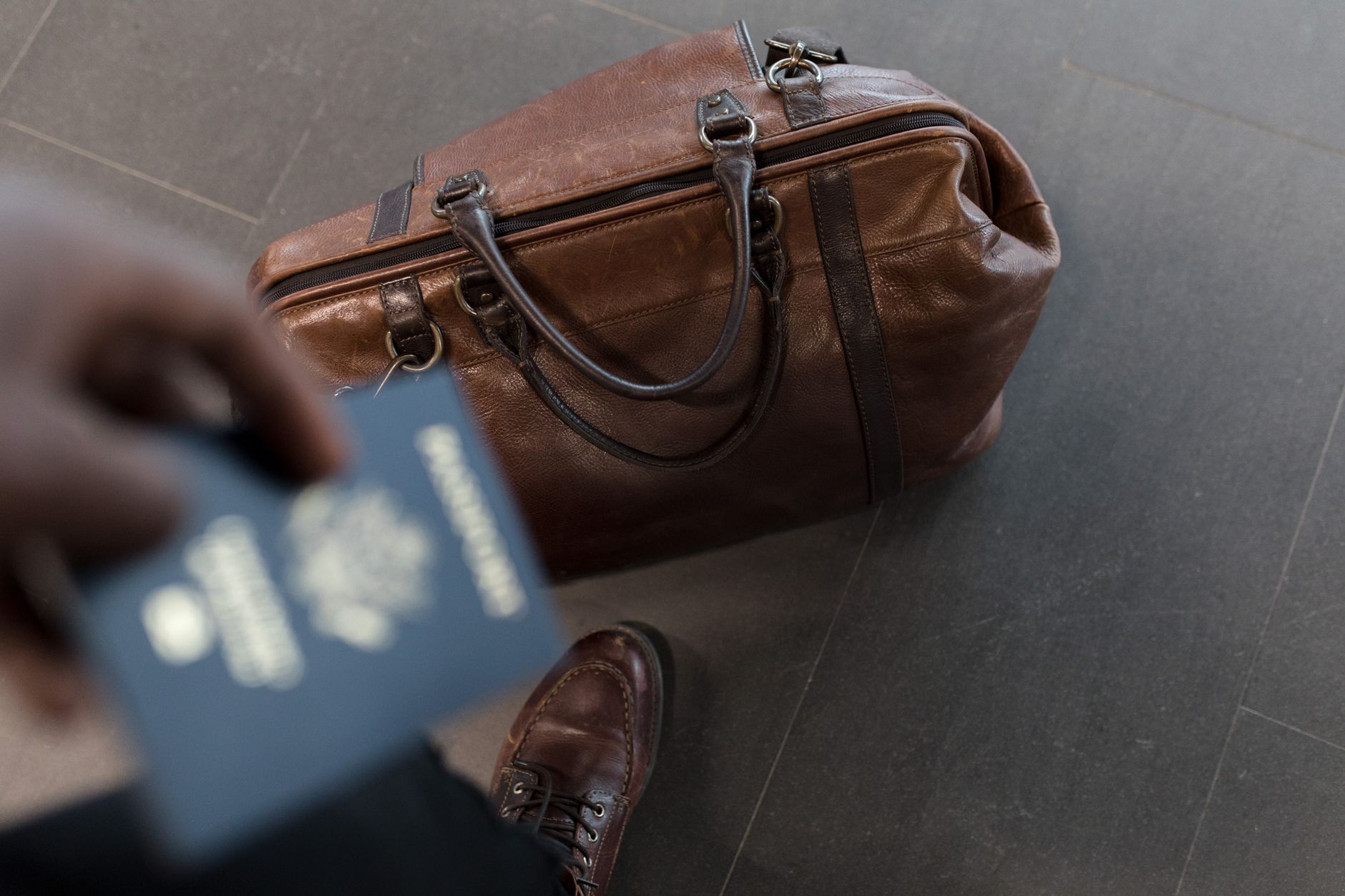
When it comes to air travel, understanding what a carry-on is and how to maximize its potential can greatly enhance your journey. A carry-on bag is a compact piece of luggage that travelers are allowed to bring aboard the airplane, enabling them to keep essential items close at hand during the flight. Knowing the specifications and limitations of carry-on baggage can help you travel more efficiently.
In this article, we will delve into the definitions, guidelines, and practical tips surrounding carry-on luggage, ensuring you’re well-prepared for your next trip.
What Is A Carry On?
A carry-on is a type of luggage that passengers can bring onto the aircraft and store in the overhead bin or under the seat in front of them. The primary advantage of using a carry-on is that you can access your belongings without having to wait for checked luggage after landing. Most airlines have specific size and weight restrictions for carry-on bags.
Understanding Airline Regulations
Airlines around the world typically have varying regulations regarding carry-on luggage. Here are some common aspects to consider:
- Size restrictions: The maximum dimensions for carry-on bags usually range from 22 x 14 x 9 inches to 24 x 16 x 10 inches, depending on the airline. Always check your specific airline’s policy before travel.
- Weight limitations: Many airlines have a weight limit that generally falls between 15-25 pounds for carry-on bags.
- Personal items: Airlines usually allow a personal item, such as a handbag, backpack, or laptop bag, in addition to a carry-on bag. This item must fit under the seat in front of you.
Benefits of Using a Carry-On
Traveling with a carry-on offers several advantages, including:
- Convenience: You skip the hassle of waiting at baggage claim, especially on short trips.
- Cost savings: Some low-cost airlines charge for checked baggage, so using a carry-on can save you money.
- Control over belongings: Keeping your items close means you avoid the risk of lost luggage.
- Less chance of damage: Carry-on bags are less likely to be mishandled than checked luggage.
What to Pack in Your Carry-On
Knowing what to include in your carry-on can make your flying experience more pleasant. Here are some essentials:
Important Documents
- Passport and ID
- Boarding pass (can be digital)
- Travel itinerary and confirmation emails
- Travel insurance documents
Electronics
- Laptop, tablet, or e-reader
- Chargers and cables
- Headphones or earbuds
- Portable power bank
Clothing Essentials
- A change of clothes
- Comfortable layers (like a light cardigan or scarf)
- Extra pair of socks
Toiletries
Be mindful of the TSA’s 3-1-1 rule for liquids, which states:
- 3.4 ounces (100 ml) or smaller containers
- All containers must fit in a single quart-size clear plastic bag
- One bag per passenger
Include essentials like:
- Toothbrush and toothpaste
- Deodorant
- Face wipes
- Moisturizer
Food and Snacks
Pack a few snacks to nourish yourself during the flight, as airport food can be pricey. Ensure your choices comply with airline regulations regarding food items.
Maximizing Carry-On Space
To make the most out of your carry-on luggage, follow these packing tips:
- Roll your clothes: Rolling, rather than folding, can save space and minimize wrinkles.
- Use packing cubes: These can help organize and compress your clothing.
- Wear bulky items: If you’re traveling with a jacket or boots, wear them on the plane to free up space.
- Utilize every nook: Stuff socks and smaller items inside shoes.
Common Mistakes With Carry-On Luggage
To ensure a smooth travel experience, avoid the following pitfalls:
- Ignoring airline guidelines: Not checking specific size and weight limits can lead to extra fees.
- Packing prohibited items: Familiarize yourself with items that cannot be brought onboard, like certain liquids and sharp objects.
- Overpacking: Weight restrictions exist for a reason; if your bag is too heavy, you may be forced to check it.
What to Know About Carry-On Baggage on Different Airlines
While most airlines have similar guidelines regarding carry-on luggage, there are noteworthy differences as well. Here’s a look at a few major U.S. carriers:
| Airline | Carry-On Size Limit | Personal Item Size Limit | Weight Limit |
|---|---|---|---|
| American Airlines | 22 x 14 x 9 inches | 18 x 14 x 8 inches | No weight limit for domestic flights |
| Delta Airlines | 22 x 14 x 9 inches | 18 x 14 x 8 inches | No weight limit |
| Southwest Airlines | 24 x 16 x 10 inches | 18.5 x 8.5 x 13.5 inches | Up to 50 lbs for checked luggage, no restriction for carry-on |
| United Airlines | 22 x 14 x 9 inches | 9 x 10 x 17 inches | No weight limit |
Things to Do If Your Carry-On is Too Large
If you find yourself in a situation where your carry-on exceeds the allowed dimensions, here’s how to handle it:
- Visit the airline’s customer service desk for help. Some airlines will allow you to check it without fees if you ask nicely.
- Redistribute items into your personal item if possible.
- Consider donating or discarding non-essential items at the airport.
Airline-Specific Carry-On Guidelines
Different airlines have varied policies regarding carry-ons. For instance, Southwest Airlines allows two free checked bags, which may affect how you approach packing your carry-on. Consider factors such as:
- Bag fees: Some airlines penalize passengers for checked baggage, making carry-ons more appealing.
- Flight durations: Longer flights may necessitate larger carry-ons for comfort.
Before flying, familiarize yourself with carry-on guidelines specific to your chosen airline to avoid unexpected surprises.
What to Do If You Have a Layover
If your journey includes layovers, ensure that your carry-on is packed thoughtfully for the transition. Here are some useful tips:
- Leave extra time to navigate through the airport; longer layovers often allow more time for snacks or breaks.
- Store essentials within easy reach to facilitate quick access during boarding or disembarking.
- Utilize airport lounges if applicable; these areas often provide comfort, food, and quiet space to relax.
How to Stay Organized While Traveling
Keeping your carry-on organized can simplify your travel experience. Here are a few strategies:
- Designate specific compartments for different categories of items (electronics, toiletries, clothing).
- Utilize zippered pouches to separate toiletries from clothing.
- Invest in a compact organizer for cables and electronics to avoid tangles and chaos.
Final Thoughts on Carry-Ons
Understanding what a carry-on is and maximizing its use can streamline your travel experience. In addition to boosting convenience and cutting costs, having the right carry-on can minimize hassle and improve your overall travel satisfaction. Always check the guidelines of airlines prior to your flight, and remember to pack smartly to make the most of your space.
Are you interested in more travel advice? Check out guides on what is not allowed on a plane carry-on and what is allowed in carry-on baggage on Southwest Airlines to further enhance your travel know-how!