
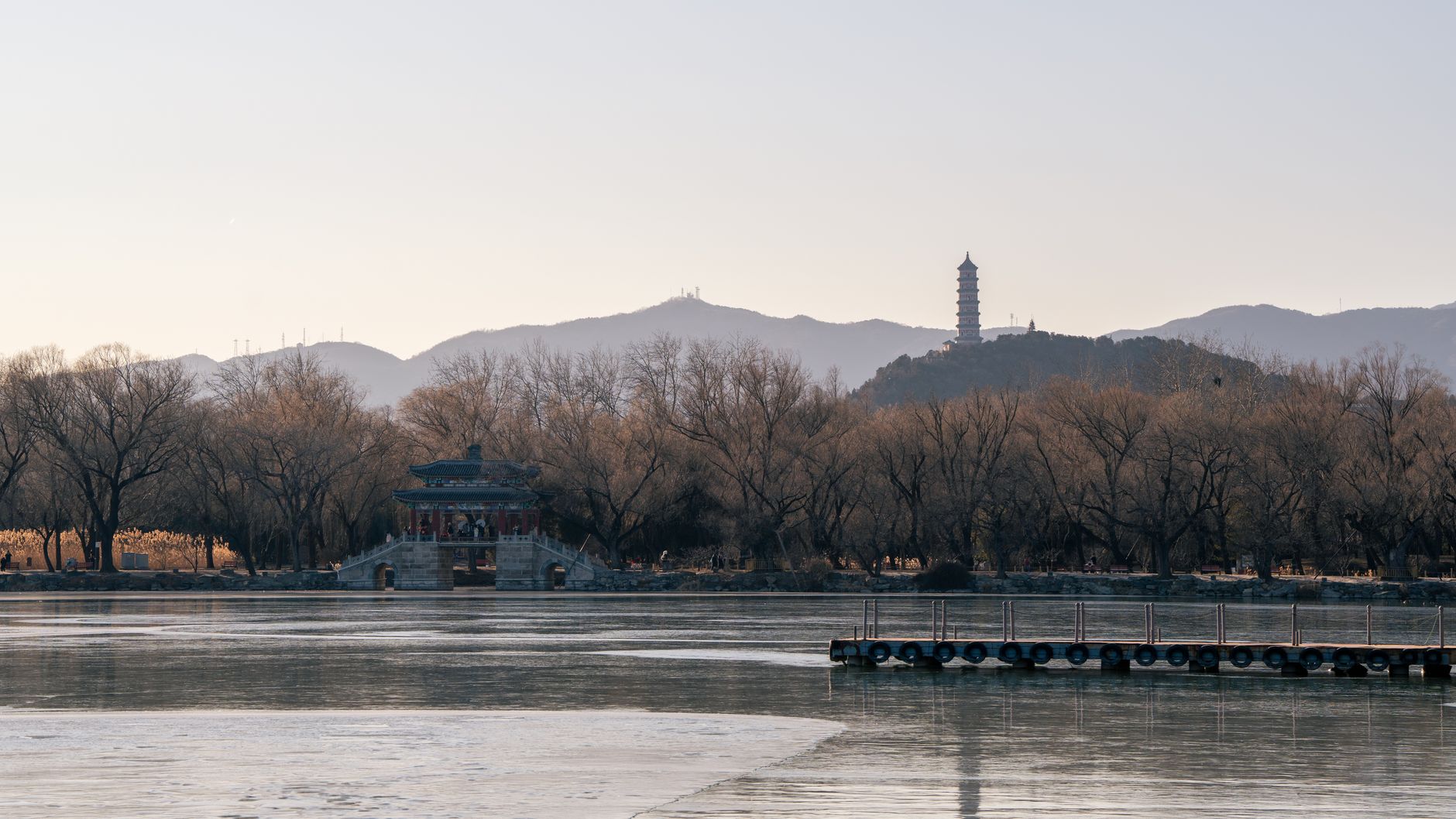
When considering a trip to China, many travelers may wonder about the country’s winter weather, particularly snowfall. With its vast size and diverse climates, China experiences snow in various regions during winter. Understanding where and when it snows can help you plan a memorable winter adventure.
This guide will provide insights into snowfall in China, ideal destinations for winter enthusiasts, tips for traveling during the snow season, and practical recommendations for your visit.
Does It Snow In China?
Yes, it does snow in China, particularly in northern and western regions during winter months. Places like Harbin, Beijing, and Zhangjiakou are noted for their snowy weather, attracting tourists for winter sports and festivals. Snow can also be seen in parts of Tibet, Xinjiang, and even some southern areas in rare instances.
Regions in China that Experience Snow
China’s geographical diversity means that snow does not fall uniformly across the country. Here’s a breakdown of the notable regions where you can expect snowfall:
Northern China
- Harbin: Famous for its ice festival, Harbin receives substantial snowfall, turning into a winter wonderland from December to February.
- Beijing: While snowfall is not guaranteed every year, when it does snow, the capital becomes picturesque with a coating of white dust over historical sites.
- Shenyang: Located in Liaoning Province, Shenyang experiences cold winters and occasional heavy snow, particularly in January.
Western China
- Xinjiang: This region, home to vast deserts and high mountain ranges, can experience heavy snowfall in January and February, especially in the Altai Mountains.
- Tibet: The Tibetan Plateau sees snow during winter months, particularly in the mountainous areas. Lhasa may occasionally receive light snow.
Central China
- Wuhan: Although not as snowy as northern China, it can occasionally receive light snow, typically in January.
- Henan Province: Areas like Zhengzhou can see occasional snow during January, although heavier falls are less common.
Eastern China
- Jilin: Known for its rime ice and winter activities, Jilin can experience significant snow reports, especially in January.
- Shanghai: Rarely experiences snow; however, if it does occur, it’s usually in mild flurries that quickly melt away.
Best Places to Snow in China
For those keen on experiencing snow, certain destinations stand out. Here’s what each place offers:
Harbin
Known as the “Ice City,” Harbin’s annual International Ice and Snow Sculpture Festival is a major draw for tourists. Held from early January to the end of February, the city is transformed into an incredible spectacle of massive ice blocks carved into stunning sculptures. Visit the Siberian Tiger Park and enjoy winter sports, including skiing and snowboarding at Yabuli International Ski Resort.
Beidaihe
Located on the eastern coast, near Qinhuangdao, Beidaihe experiences snow during some winters. It’s popular among locals for its beach resorts and winter leisure activities. The winter sun makes it a unique spot to enjoy the ocean with a snowy landscape.
Zhangjiakou
This city hosted events for the 2022 Winter Olympics, making it a prime location for skiing and snow sports. It features several skiing resorts such as Genting Resort Secret Garden. The resort town is easily accessible from Beijing, attracting winter sports enthusiasts.
Changbaishan (Tianchi)
Changbaishan, known for its natural beauty, boasts the stunning Heavenly Lake that often freezes, surrounded by snow-covered mountains. The area offers extensive skiing resorts and nature trails, ideal for both leisure and adventure seekers. Visitors can enjoy snowshoeing, ice climbing, and the beautiful winter scenery.
Traveling to China During Snowy Season
Visiting China in the snowy months requires some preparation. Here are essential tips for a smooth travel experience:
Best Time to Visit
The best time to experience snow in China is from late December to February. Northern areas tend to be colder, with the snowiest months being January and February. For those interested specifically in winter activities, aim for late January through early February.
Booking Flights and Accommodation
When planning a winter trip, book flights and accommodations in advance as this is a popular time for both domestic and international tourists in China. Many accommodations offer discounts during the off-peak season, making it an attractive period for budget travelers.
Getting Around
China’s transportation system is extensive, and there are several options to get around during winter:
- High-speed trains: Fast and efficient, high-speed trains connect major cities and regions, making travel quick and easy.
- Public transport: Buses and subways in cities are a reliable way to navigate urban areas. However, be mindful of potential delays during heavy snowfalls.
- Car rentals: If you plan on exploring rural or mountainous areas, consider renting a car. Just ensure you are familiar with icy driving conditions.
What to Pack for Winter Travel in China
When preparing for your snowy adventure, packing appropriately is vital for comfort and enjoyment. Here’s a checklist of essentials:
- Warm winter clothing: thermal layers, waterproof jackets, insulation layers.
- Winter footwear: sturdy, water-resistant boots with good grip.
- Accessories: gloves, scarves, hats, and winter socks.
- Travel gear: power banks, cameras to capture snow scenes, and snow equipment for activities.
- Medications: ensure to carry any personal medications, especially if traveling to remote areas.
Food and Drink in Winter
Chinese winter cuisine is hearty, warming, and comforting after a day in the snow. Here are some dishes to try:
- Hotpot: A communal dining experience where you cook meat and vegetables in a simmering pot of spiced broth.
- Steamed buns (Baozi): These fluffy buns are often filled with meat or vegetables, offering warmth during the chilly days.
- Jiaozi (Dumplings): A popular dish in northern China during winter, dumplings symbolize wealth and are often shared during family gatherings.
Winter Activities and Attractions
Winter offers unique opportunities for exploration and recreation in China. Here are some activities to consider while visiting during the snowy months:
Skiing and Snowboarding
The winter sports scene in China is growing, with many resorts catering to skiing and snowboarding. Harbin, Zhangjiakou, and Changbaishan offer slopes suitable for all levels, from beginners to advanced skiers.
Ice Festivals
Experience unbelievable artistry at exhibitions like the Harbin Ice Festival. Other regions host smaller ice and snow festivals featuring ice sculptures, entertainment, and themed activities throughout the winter months.
Snowshoeing and Hiking
Take advantage of the breathtaking snowy landscapes by engaging in snowshoeing or winter hiking. Many parks and nature reserves, such as Jilin’s Changbai Mountain, offer marked trails for outdoor enthusiasts.
Travel Safety Tips
While snow adds beauty to a destination, it can also present risks. Here are some essential safety tips:
- Monitor weather conditions before and during your trip. Be prepared for sudden changes in weather that could impact travel plans.
- Be cautious while walking on icy surfaces to prevent slips and falls.
- Use reputable transportation services to ensure safety while traveling; avoid unofficial taxis.
- Remain aware of altitude sickness when visiting locations like Tibet, where the elevation can impact health.
Accessibility Considerations
For those traveling with mobility challenges, be mindful that snow and ice can hinder access in certain areas. It’s advised to call ahead to accommodations and attractions to inquire about accessibility options during the winter months. Cities like Beijing and Shanghai offer more accessible infrastructure than remote areas.
Suggested Itinerary for a Winter Trip to China
Here’s a suggested itinerary for experiencing snow in China, focusing on heritage, culture, and winter activities:
- Day 1: Arrival in Beijing
- Explore the Forbidden City and Tiananmen Square.
- Enjoy traditional Peking duck for dinner.
- Day 2: Great Wall of China & Snowy Scenery
- Visit the Great Wall at Mutianyu or Badaling.
- If it snows, enjoy the stunning white-covered landscape.
- Day 3: Travel to Harbin
- Take an early morning flight or train to Harbin.
- Explore the Harbin Ice Festival and enjoy hotpot for dinner.
- Day 4: Outdoor Activities in Harbin
- Visit Siberian Tiger Park.
- Try skiing or snowboarding at Yabuli International Ski Resort.
- Day 5: Travel to Zhangjiakou
- Explore the venues of the 2022 Winter Olympics.
- Enjoy skiing or local cuisine in the area.
- Day 6: Return to Beijing or Next Destination
- Depending on flight schedules, enjoy more of Beijing or a short trip nearby.
This six-day itinerary offers a mix of culture, exciting activities, and beautiful winter landscapes, allowing you to experience the best of China under a blanket of snow.
Traveling in China during the snowy season offers a magical experience that includes cultural richness and stunning landscapes. With the right preparations, you’ll enjoy the winter beauty of China and create unforgettable memories.
For more travel planning, don’t forget to check out our guides on snow in Japan and snow in Italy to expand your winter travel options!