
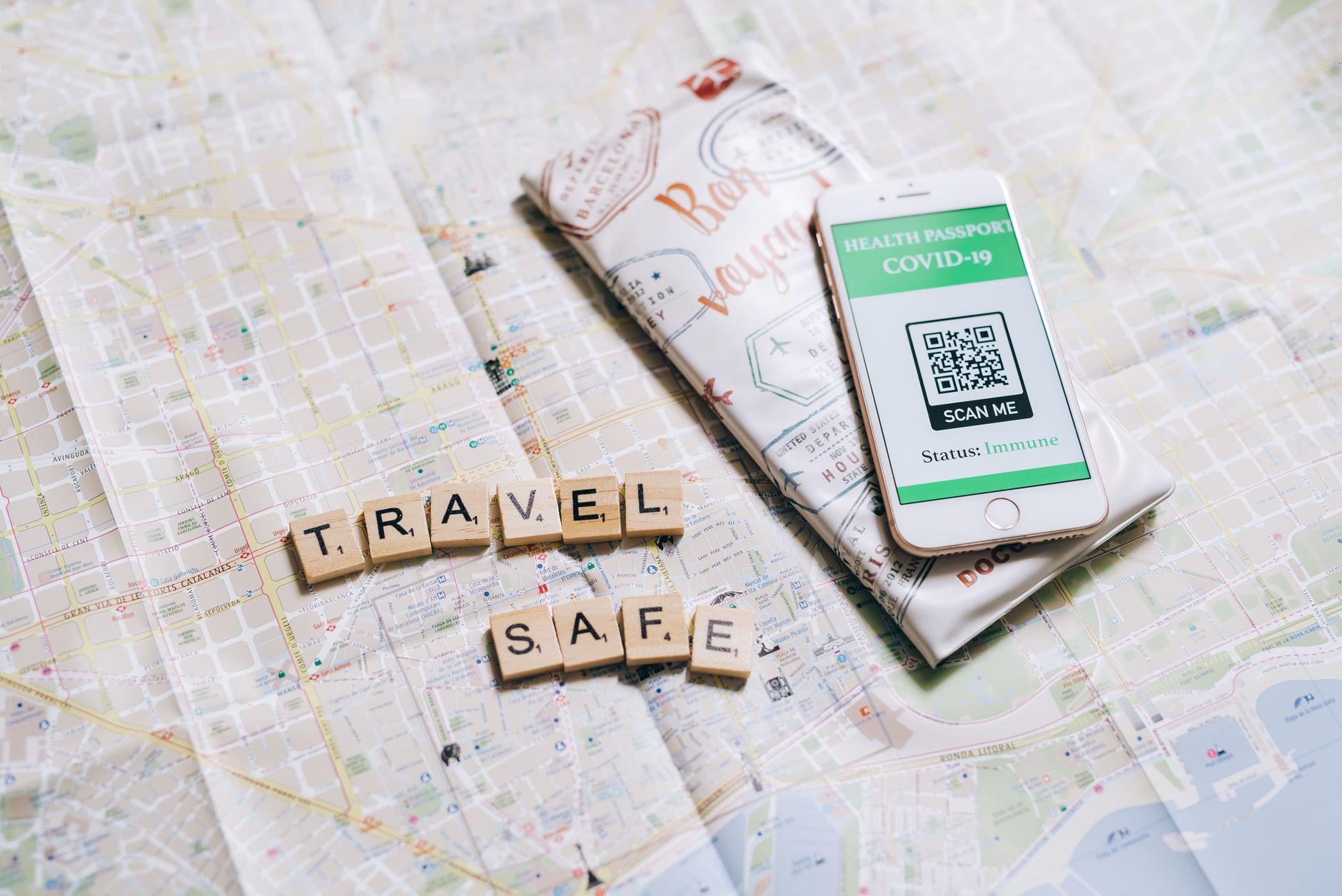
Traveling brings joy, adventure, and unforgettable experiences. However, it also comes with risks that are vital to address. Understanding how to travel safely will not only ease your mind but also enhance your trip. In this guide, we will explore various travel logistics, best practices, and tips to ensure your safety while traveling.
From choosing your destination wisely to adopting health precautions, this article covers essential aspects of safe travel. Whether you are planning a solo trip, a family vacation, or an adventurous getaway, being informed is your first step toward a secure journey.
What Is The Safest Way To Travel?
The safest way to travel involves a combination of careful planning, awareness of your surroundings, understanding local customs, and taking proactive safety measures. This approach reduces risks and enhances your travel experience.
Choosing Your Destination Wisely
Selecting a destination is the first step in your travel planning. Research potential locations and consider the following factors:
- Current Safety Ratings: Review travel advisories from your government or reputable organizations that provide information on crime rates, political stability, and health issues.
- Local Laws and Customs: Familiarize yourself with local laws, transportation rules, and cultural norms. Awareness helps prevent misunderstandings.
- Healthcare Facilities: Check the availability and quality of healthcare services in the region, especially if you have medical conditions requiring regular attention.
Planning Your Trip
A well-structured itinerary minimizes unexpected situations and enhances your confidence while traveling. Here are detailed planning tips to consider:
1. Establish an Emergency Plan
Before you leave, create an emergency plan that includes:
- Your emergency contacts back home
- Local emergency contact numbers at your destination
- Details about your accommodation and your travel insurance policy
2. Choose Transportation Wisely
Transportation safety includes selecting reliable modes of transit and ensuring you have necessary documents. Consider the following:
- Flight Safety: Book flights from reputable airlines and stay informed about your flight status. Sign up for alerts from your airline.
- Ground Transportation: Use registered taxis, rideshare apps, or shuttle services recommended by your accommodation. Avoid unmarked vehicles.
- Public Transport: Research public transportation options, schedules, and their safety record. Stick to well-traveled routes and avoid night travel in unfamiliar areas.
Health Precautions During Travel
Staying healthy while traveling should be a priority. Here are specific practices to adopt:
1. Vaccinations and Health Checks
Depending on your destination, certain vaccinations may be recommended. Consult with a healthcare provider before traveling to ensure you are up to date on all necessary immunizations.
2. Carry a Medical Kit
A portable first-aid kit can be invaluable. Include items such as:
- Band-Aids and antiseptic wipes
- Over-the-counter medications for headaches, stomach issues, and allergies
- Any prescribed medications, with extra in case of travel delays
3. Practice Safe Eating and Drinking
Food safety varies by region. Follow these guidelines:
- Opt for bottled or purified water
- Avoid street food that may not adhere to health regulations
- Eat at reputable restaurants with high traffic, indicating good hygiene practices
Staying Secure While Traveling
Physical safety is a significant aspect of travel. Here are thoughtful strategies to enhance your safety:
1. Stay Aware of Your Surroundings
Keep your head up and stay attentive to your environment. Here are specific pointers:
- Walk confidently, don’t appear lost, and avoid distractions such as looking at your phone while walking.
- Stay in well-lit, populated areas, especially at night.
- At crowded places, remain cautious of pickpockets – keep valuables secure and out of sight.
2. Keep Valuables Safe
Protect your belongings by:
- Using a secure travel wallet or money belt
- Leaving unnecessary valuables in a hotel safe instead of carrying them
- Utilizing anti-theft bags designed with zippers and locks
3. Trust Your Instincts
If something feels off or uncomfortable, trust your gut and remove yourself from the situation. It’s better to be cautious than to ignore red flags.
Travel Insurance
Travel insurance can mitigate several risks and is essential for safe travel. Here’s what to consider:
1. Types of Coverage
Travel insurance typically offers various coverage types, including:
- Medical Expenses: Covers unforeseen health issues while abroad.
- Trip Cancellation: Reimburses expenses if your trip is cancelled for valid reasons.
- Theft or Loss: Protects against theft of belongings or loss of luggage.
2. Compare Plans
Different providers offer varying levels of coverage at different prices. Compare plans based on your specific travel needs and ensure you have a clear understanding of exclusions.
Accommodations: Safety First
Your choice of accommodation significantly impacts your overall travel safety. Here’s how to choose wisely:
1. Research Prior Reviews
Leverage online resources to read reviews and ratings. Focus on comments related to safety, staff behavior, and overall experiences.
2. Location Matters
Select accommodation in safe neighborhoods, preferably close to places of interest and well-connected by public transport. Avoid areas known for crime.
3. Secure Your Room
Once settled in a hotel or rental, take steps to ensure your security:
- Check that window and door locks function properly.
- Utilize the secure storage offered by your accommodation for valuables.
- Never allow strangers into your room.
Last-Minute Safety Checks
As your departure date approaches, perform last-minute checks to ensure that everything is in order:
- Verify your travel documents, visas, and insurance policy are current and readily accessible.
- Inform your bank of your travel plans to avoid any issues using your credit or debit cards.
- Consider registering your travel plans with local authorities or your home country’s embassy.
Utilizing Technology for Safety
Modern travel offers many tools to enhance your safety. Utilize technology cautiously:
1. Travel Apps
Consider downloading apps that provide:
- Maps and navigation
- Emergency contacts
- Language translation tools for better communication
2. Be Cautious Online
While using public Wi-Fi networks is convenient, ensure you protect your data:
- Avoid accessing sensitive accounts (banking, personal emails) over public networks.
- Utilize a VPN service when necessary.
Maintaining Communication
Stay connected with your loved ones during your travels. Here are some practical tips:
1. Regular Check-ins
Establish a schedule for regularly checking in with family or friends. Inform them about your daily plans and any changes.
2. Emergency Contact List
Have a list of emergency contacts in your phone and on paper, including your country’s embassy in the area.
Final Thoughts on Safe Travel
Your travel experience should be enjoyable, not overshadowed by safety concerns. By adopting these practices and being aware of potential risks, you can significantly enhance your safety while traveling.
Remember, being informed and prepared are your best allies in ensuring a secure journey. Happy travels!
For further insights, explore our guides on Philadelphia safety and Bali safety to continue your travel planning.