
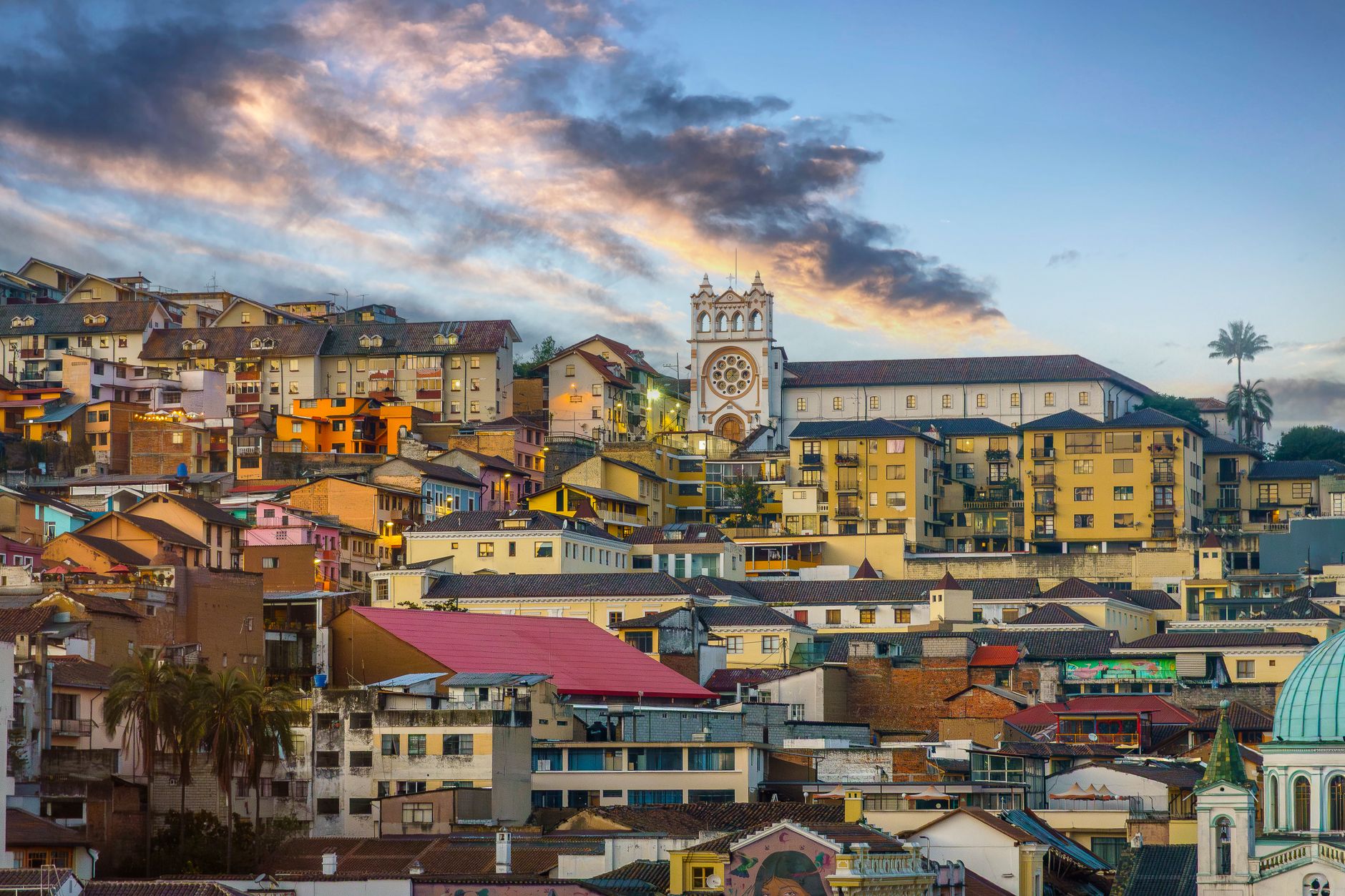
Johannesburg, often affectionately called Jozi, is South Africa’s largest city and a vibrant hub of culture, history, and economic activity. However, when planning a trip to Johannesburg, safety often becomes a primary concern for potential travelers. With a rich history and numerous attractions, it is crucial to weigh the cultural experiences against safety considerations for your journey.
Given its dynamic urban environment, Johannesburg deserves careful planning and informed decision-making when it comes to exploring its sights. This article will provide practical advice on safety in Johannesburg, taking into account local conditions, transportation options, neighborhoods to frequent or avoid, and general travel tips to ensure a smooth and enjoyable visit.
Is Johannesburg Safe?
Johannesburg has its challenges regarding safety, but millions of visitors travel there successfully each year. By staying informed and following precautions, tourists can minimize risks and enjoy all that the city offers, from fascinating history to vibrant cultural scenes.
Understanding the Safety Landscape
As of late 2023, Johannesburg is often perceived as having high crime rates. Issues such as theft, muggings, and violent crimes do occur, primarily in certain areas. Understanding the city’s safety landscape is the first step to ensuring a secure trip.
The city’s crime statistics are frequently highlighted, but it is essential to note that violent crime rates are higher in specific neighborhoods. Many tourist-friendly areas, such as Sandton, Rosebank, and Melville, are relatively safe and heavily policed. The key to a safe visit is staying within well-traveled areas and being aware of your surroundings.
Common Risks to be Aware of
In Johannesburg, travelers should be aware of common safety concerns, which include:
- Theft and pickpocketing: In busy areas, thieves often target tourists, especially in crowded markets and transport hubs.
- Carjackings: It’s essential to be cautious when parking your vehicle and avoid displaying valuables.
- Muggings: This can happen, especially in less populated areas or at night.
- Substance abuse: Some neighborhoods may have individuals under the influence, leading to unpredictable behavior.
Best Areas to Stay in Johannesburg
Your choice of accommodation can significantly impact your sense of safety. Here are some of the safest and most vibrant neighborhoods to consider:
Sandton
Sandton is often regarded as the financial heart of Johannesburg and is known for its upscale malls, luxury hotels, and business districts. Iconic attractions in Sandton include Nelson Mandela Square and the Sandton Convention Centre. The area’s high policing presence adds to its safety.
Rosebank
Rosebank offers a mix of residential, commercial, and leisure options, making it popular for families and travelers. The Rosebank Mall, with its mix of shops and restaurants, is a key attraction. Its vibrant Sunday market is a must-see.
Melville
Melville is famous for its bohemian vibe, with art galleries, cafes, and a lively nightlife scene. While generally safe, travelers should remain vigilant, especially at night. Melville is not far from the University of Johannesburg, which gives it a youthful atmosphere.
Braamfontein
This area, especially around the Johannesburg Theatre and the Neighbourgoods Market, has undergone revitalization and is seeing a surge in popularity. It is a youthful neighborhood with a cultural vibe, but caution is advised when walking at night due to reduced foot traffic.
Transportation Safety Tips
Getting around Johannesburg can be challenging, particularly with regard to safety. Here’s how to navigate the city securely:
Public Transport
While the Gautrain is a safe and reliable option for traveling between major points (like the airport and Sandton), the city’s regular public buses are often not recommended for tourists due to safety concerns. Metrorail trains have a reputation for safety issues, so travelers should research their routes and options thoroughly.
Private Transport
Using ride-hailing services such as Uber is a popular and generally safe way to get around Johannesburg. They operate in most major areas and are often preferred for their convenience and tracking features. Avoid accepting rides from individuals offering transportation outside of established services.
Driving
If you plan to rent a car, be cautious. Keep your windows closed and doors locked while driving, especially in heavy traffic. Avoid displaying valuables and plan your routes in advance to minimize unnecessary stops or delays.
What to Do to Stay Safe
There are several practical steps you can take to ensure your safety while visiting Johannesburg:
- Stay informed: Research the areas you plan to visit ahead of time. Be aware of the local crime trends and recommended safety tips for each neighborhood.
- Limit night outings: Try to avoid walking alone at night, especially in non-touristy areas. If you must be out after dark, opt for reputable transportation options.
- Stay connected: Have a working cell phone with local emergency contacts saved, including your accommodation and local authorities.
- Secure your belongings: Keep bags zipped and items close. Use a crossbody bag and avoid carrying excessive cash.
- Be aware of your surroundings: Stay vigilant and observant in crowded places or unfamiliar surroundings. Trust your instincts; if something feels off, remove yourself from the situation.
When to Visit Johannesburg
While Johannesburg can be visited year-round, knowing the seasons can help you plan accordingly:
Summer (December to February)
Summer months can be hot, with temperatures soaring above 30°C (86°F). Rain is common, but usually occurs in short, heavy bursts. While the rain can cool things down, the humidity may be uncomfortable for some travelers.
Autumn (March to May)
Autumn brings milder temperatures, making it a great time for outdoor activities. Days are pleasant and sunny, while nights can be a bit cooler, especially in May. It’s generally a popular time for tourists.
Winter (June to August)
Winter in Johannesburg is mild and dry, with average daytime temperatures between 15°C and 20°C (59°F to 68°F). Nights can be chilly, so warm clothing is essential. This is the peak season for tourists due to the pleasant weather.
Spring (September to November)
Springtime sees a gradual warm-up, with flowers blooming and a lively atmosphere returning to the city. Ideal temperatures make it a favorable time for sightseeing and outdoor activities.
Realistic Length of Stay
A visit to Johannesburg ideally requires at least three to five days to experience its major attractions without feeling rushed. Here’s a brief suggestion of how you might structure your time:
- **Day 1:** Explore the Apartheid Museum and take a guided tour of Soweto.
- **Day 2:** Visit the Lion & Safari Park and spend the evening in Melville.
- **Day 3:** Spend the day in Sandton, visiting Nelson Mandela Square and enjoying luxury shopping.
- **Day 4:** Discover local art and culture in Braamfontein and attend a performance at the Johannesburg Theatre.
- **Day 5:** Optional day trips to nearby attractions such as the Cradle of Humankind or Pilanesberg National Park.
Budget Considerations
Traveling in Johannesburg can be affordable, but costs largely depend on your chosen activities and accommodation. Here are some critical budget considerations:
Accommodation Costs
Accommodation options range from luxury hotels to budget hostels. Prices fluctuating between R500 to R2000 (approximately $30 to $120) per night are common, depending on the area and hotel class.
Food and Drink
Meals in Johannesburg are relatively affordable. Street food and local eateries can provide meals for as little as R50 (around $3), while mid-range restaurants typically charge R200-500 (about $12-30) per meal.
Activities and Transportation
Entry fees for attractions often range from R50 to R200 (approximately $3 to $12). Using ride-hailing services will usually cost between R50 to R150 (around $3 to $10) for local trips, depending on the distance.
Eating and Drinking Safely
Johannesburg is known for its diverse culinary scene. With the variety comes the need for food safety measures. Here are some suggestions for dining safely:
- Try local restaurants and markets, which can provide insight into South African culture and cuisine.
- Stick to well-reviewed establishments, particularly in tourist areas, to ensure safety and quality.
- Avoid street food that seems unclean or is offered in questionable areas.
Emergency Contacts
By knowing local emergency contacts, you can navigate any issues more effectively during your trip:
- Emergency Services: Dial 10111 for police and 10177 for ambulance services.
- Tourist Police: Look out for tourist policing units stationed in popular areas.
- Your Embassy: It’s helpful to know your country’s embassy contact number for any significant issues.
Conclusion
Traveling to Johannesburg can be a fulfilling experience filled with rich cultural encounters, modern comforts, and historical significance. While safety is a valid concern, with proper awareness and precaution, visitors can enjoy the many attractions this vibrant city offers. Before you go, remember to conduct thorough research, stay informed of local conditions, and ensure you have a secure plan in place.
If you’re interested in exploring more travel insights, take a look at guides on Portland, Oregon and Mexico City.