
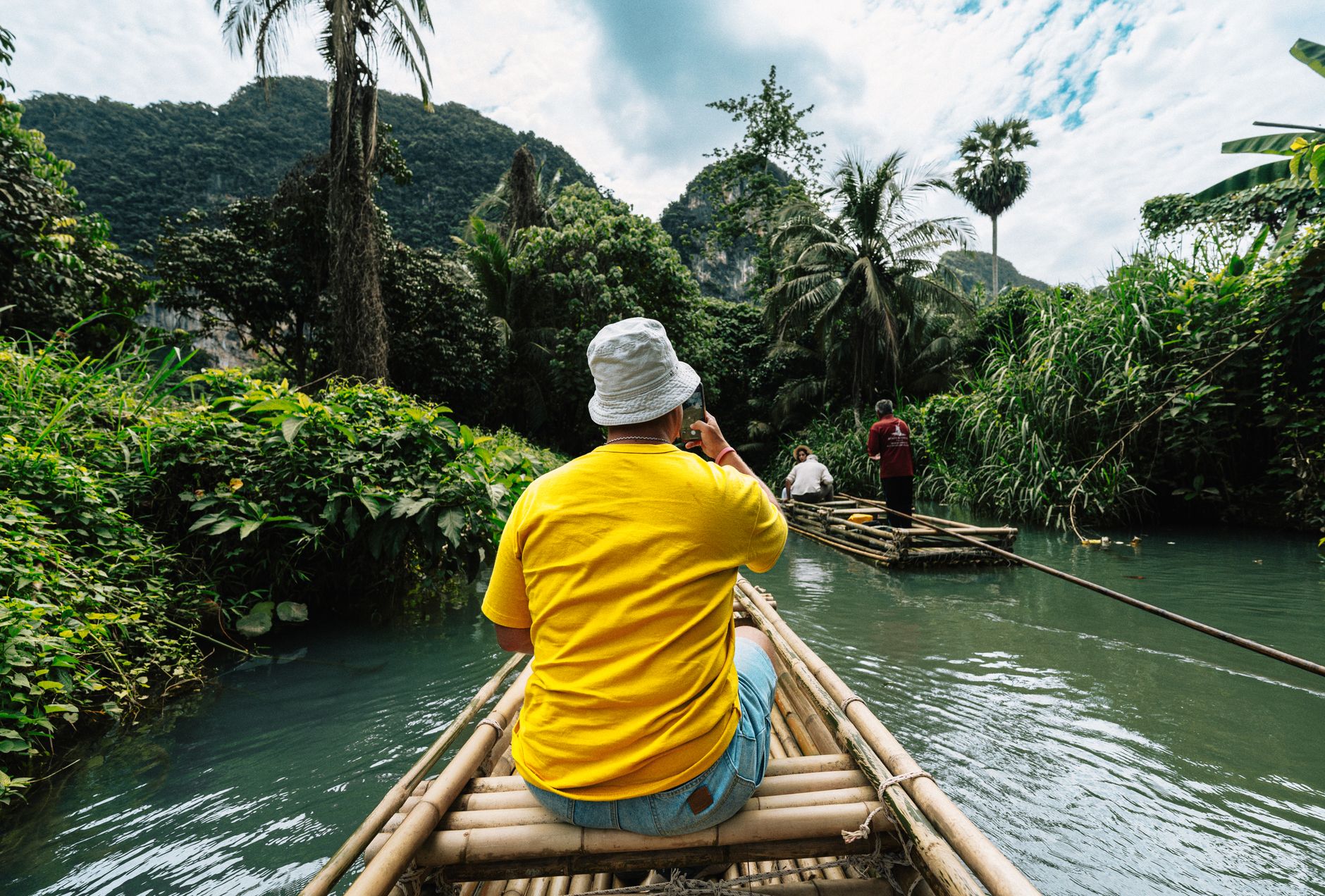
El Dorado has long captivated explorers, historians, and adventurers alike, often depicted as a fabled city overflowing with gold. Its exact location remains shrouded in mystery, sparking numerous expeditions throughout centuries. While no one has ever definitively found El Dorado, various theories suggest it may have been located in parts of South America, notably Colombia, Peru, and Venezuela.
In this guide, we’ll dissect the history of El Dorado, its supposed locations, and how modern travelers can explore these fascinating regions. Whether you’re drawn by history, culture, or adventure, the quest for El Dorado offers plenty of enticing experiences.
Where Is El Dorado?
El Dorado is often imagined as a city of gold, rich in treasure and abundant in wealth. Many believe it to be located in the highlands of Colombia, possibly associated with the Muisca people and their legendary El Dorado ritual. Other theories suggest diverse locations, including the jungles of the Amazon in Peru and parts of Venezuela. Much remains speculative, but El Dorado symbolizes the ultimate quest for wealth and discovery.
Historical Background of El Dorado
The legend of El Dorado dates back to the early 16th century. Spanish conquistadors first heard of the mystical city through indigenous legends about a king who covered himself in gold dust and bathed in a sacred lake. Explorers like Gonzalo Jiménez de Quesada and Sir Walter Raleigh sought to unveil this elusive treasure, leading to numerous expeditions across the continent.
As these journeys progressed, it became evident that El Dorado may not correspond to a specific destination. Instead, it fused real places and myths into a tantalizing narrative that lured explorers deeper into South America’s wild landscapes. Today, it serves as a powerful reminder of the region’s rich history.
Potential Locations of El Dorado
Understanding where El Dorado might be found requires examining the various locations associated with the legend. Below are three main contenders often cited among scholars and adventurers.
1. Colombia
The most widely accepted location for El Dorado is the region around Bogotá and the nearby Lake Guatavita. According to local lore, the Muisca King would cover himself in gold dust, leading to this lake being a significant site of offerings. Though treasure hunters have searched Lake Guatavita, finding artifacts rather than vast amounts of gold has been the outcome.
2. Venezuela
Some theories point to Venezuela’s Gran Sabana region, known for its stunning landscapes, including table-top mountains. The area’s remoteness and rich natural resources make it a plausible site for the gold-rich El Dorado myth. Rivers in the region have often yielded Gold Age treasures and indigenous artifacts.
3. Peru
Others argue that El Dorado could have been an idea tied to the inca Empire and the search for riches around Lake Titicaca. The Inca civilization had vast reserves of gold, making parts of Peru strong candidates for the mythical city. Exploring ancient archaeological sites, you can trace the narratives of wealth and culture that inspired the El Dorado legend.
How to Explore the Regions Linked to El Dorado
For those eager to immerse themselves in the cultures and landscapes purportedly linked to El Dorado, several activities and sites are worth considering.
Visiting Colombia
- Lake Guatavita: Explore the historical lake and learn about its significance to the Muisca culture. There are guided tours available that include hikes around the lake and discussions on the legend of El Dorado.
- Gold Museum in Bogotá: A comprehensive collection showcasing pre-Columbian gold artifacts can be found here. A must for understanding the cultural backdrop of El Dorado.
- San Francisco Church: A historical site that reflects Colombia’s colonial past. Take time to appreciate its architecture and the role it has played in local history.
Discovering Venezuela
- Gran Sabana: This UNESCO World Heritage Site offers breathtaking landscapes, waterfalls, and indigenous villages. Consider hiring a local guide to discover hidden gems throughout the area.
- Orinoco River: Take a boat trip along this spectacular river, where you may observe both flora and fauna native to the region.
- Angel Falls: While not directly tied to El Dorado, this famous waterfall is one of the natural wonders of Venezuela that attracts visitors from around the world.
Exploring Peru
- Machu Picchu: The iconic ancient ruin reflecting the vast wealth of the Inca civilization. While not specifically tied to El Dorado, it offers insights into the culture that may have inspired the legend.
- Lake Titicaca: The highest navigable lake in the world offers opportunities for boat trips and exploring the island’s unique cultures. Don’t miss the floating Uros islands made of reeds.
- Pisac Market: Engage with local artisans and discover textiles, pottery, and traditional crafts that are reflective of Peru’s rich history.
Best Times to Visit
The ideal time to explore the regions linked to El Dorado varies slightly depending on which specific area you choose. Here’s a breakdown of the best times to visit each location:
- Colombia: Visit between December and March for pleasant weather, avoiding the rainy season.
- Venezuela: The dry season from December to April is ideal for exploring Gran Sabana and Angel Falls.
- Peru: The dry season from May to September offers the best conditions for trekking and visiting attractions like Machu Picchu.
Transportation and Getting Around
Getting around these regions requires careful planning. Here are some key tips for traveling in Colombia, Venezuela, and Peru.
Colombia
Colombia has a reliable domestic flight network. Consider using airlines such as Avianca or Viva Air for travel between cities. In Bogotá, public transport like TransMilenio is efficient. Rely on local taxis or ride-hailing apps for getting around the city.
Venezuela
Traveling within Venezuela can be more challenging. Domestic flights connect major cities, but road travel is common. Be aware of road safety and choose reputable transport services whenever possible.
Peru
When visiting Peru, consider traveling by bus for intercity journeys. Companies like Cruz del Sur offer comfortable services. For exploring areas around Cusco and Machu Picchu, guided tours typically include transportation options.
Where to Stay
The choice of accommodations can greatly enhance your travel experience. Here are some suggestions based on your destination:
Accommodations in Colombia
- Luxury: Hotel Casa Medina in Bogotá offers upscale services and luxury accommodations.
- Mid-range: Selina Bogotá provides a blend of comfort and style for travelers seeking a rejuvenating stay.
- Budget: The Cranky Croc Hostel in Bogotá provides a community atmosphere and affordable rates for backpackers.
Accommodations in Venezuela
- Luxury: Gran Melia Caracas offers upscale accommodations and amenities in the capital.
- Mid-range: Hotel La Churuata in Gran Sabana provides comfortable stays amidst stunning scenery.
- Budget: Hostels in Ciudad Bolivar can offer affordable lodging for budget-conscious travelers.
Accommodations in Peru
- Luxury: Inkaterra Machu Picchu Pueblo Hotel offers a unique experience with a connection to nature.
- Mid-range: Novotel Cusco provides a comfortable base for exploring the city and nearby sites.
- Budget: Pariwana Hostel in Cusco offers a lively atmosphere at a friendly price.
Budget Considerations for Travelers
Budgeting for your journey requires careful consideration of various elements. Below is a rough outline of expenses you might encounter in each country.
Colombia
- Accommodation: Prices vary; budget travelers can find dorms starting at $10-15 per night, while mid-range hotels can run $50-100.
- Food: Meals can range from street food at $2-5 to mid-range dining at $15-30 per person.
- Activities: Entrance fees and guided tours often range between $10-50, with special attractions like museums and natural parks sometimes costing more.
Venezuela
- Accommodation: Budget options can sometimes be as low as $10, while mid-range hotels range from $30-70.
- Food: Enjoy local meals for $5-10, while international cuisine may be more expensive.
- Activities: Costs can be variable, but many nature experiences are relatively affordable without entrance fees.
Peru
- Accommodation: Backpacker hostels often charge around $10-20, while comfortable hotels can range from $50-150.
- Food: Meals at traditional eateries can be found for $5-15, with upscale dining costing more.
- Activities: Expect to pay between $10-25 for historical sites, with trekking tours sometimes exceeding $100.
Practical Tips for Planning Your Trip
Planning effectively can make your journey smoother. Here are some essential tips to consider before you set off on your adventure.
- Research Local Customs: Understanding cultural norms in each country shows respect and can enhance your interactions.
- Travel Insurance: Investing in travel insurance is crucial, especially when traveling in remote areas.
- Health Precautions: Be sure to check vaccination requirements and be aware of local health conditions.
- Currency Exchange: Familiarize yourself with the local currency and exchange rates. Debit and credit cards are widely accepted in major cities but carry cash for rural areas.
Family and Solo Travel Considerations
Traveling as a family or solo has its unique challenges and opportunities. Here are some considerations for each group.
Family Travel
Ensure to plan a balance between educational and fun activities when traveling with children. Look for family-friendly accommodations and tours that offer engaging experiences, like cultural workshops or eco-tours.
Solo Travel
Solo travelers should stay vigilant about their surroundings and choose well-reviewed accommodations. Engage with local tours and communities for a safe but enriching experience. Networking with fellow travelers can enhance your journey.
Safety Considerations While Traveling
As with any travel destination, staying safe is paramount. Always check the current travel advisories before visiting any areas associated with El Dorado.
- Stay informed about local news and adhere to safety reminders from local authorities.
- Travel in groups if possible, especially in remote areas.
- Keep your valuables secure and avoid displaying wealth, such as expensive jewelry.
El Dorado may be the stuff of legends, but the paths and locations associated with it offer rich experiences and adventures. Whether you find gold or simply the wonders of culture and nature, the quest will surely leave you with unforgettable memories.
If you’re interested in learning more about other destinations, consider exploring what Guatemala is famous for or delve into where to visit in Bogotá.