
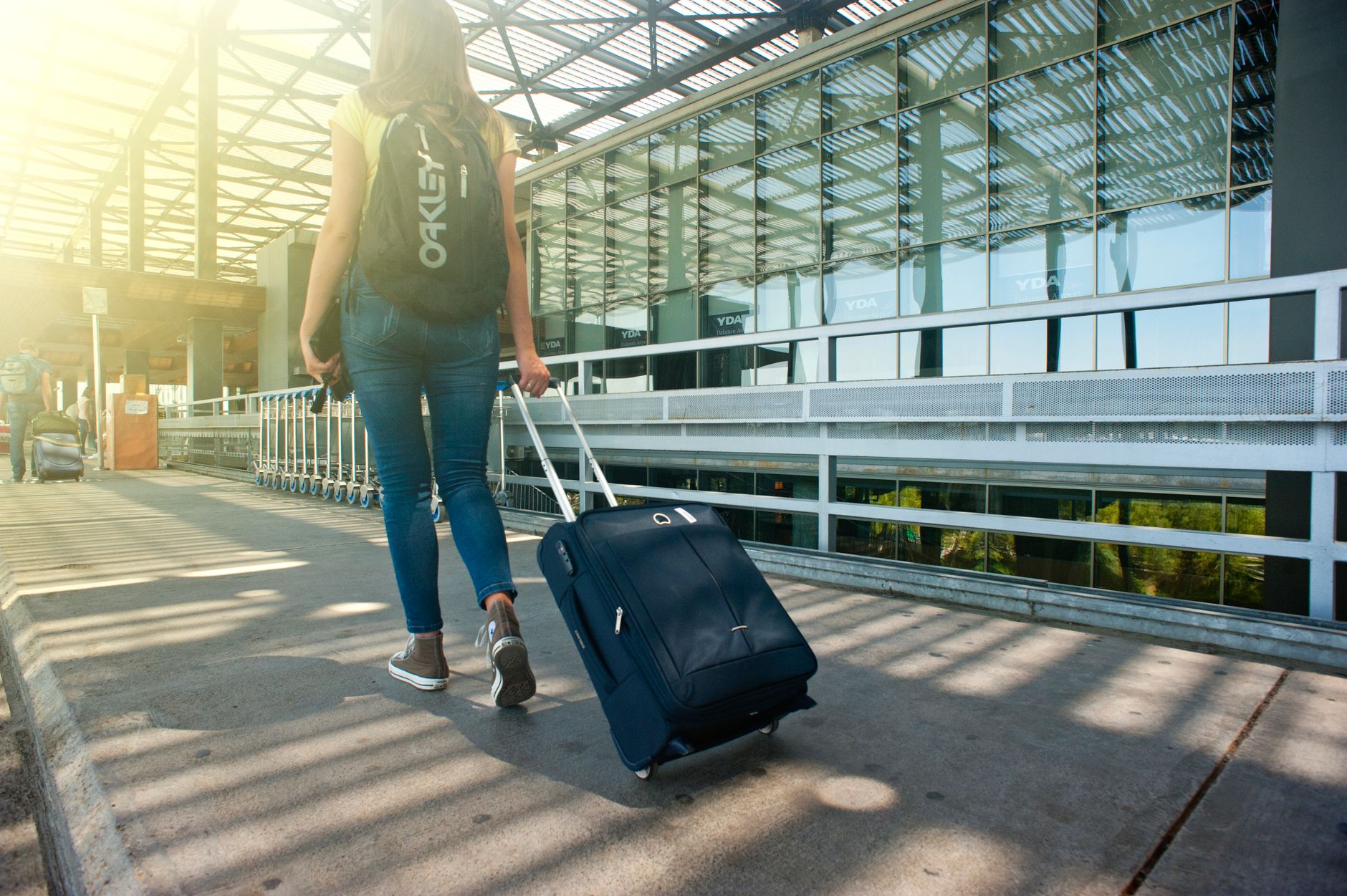
As travel begins to pick up around the world again, many are left wondering: is flying safe right now? Changes in health guidelines, air travel restrictions, and evolving regulations can make flying seem daunting. Understanding the current situation allows travelers to plan with confidence.
In this article, we will explore the safety measures in place, health considerations, evolving travel policies, and tips for a smooth flying experience. Let’s dive into what flying safety looks like in today’s travel landscape.
Is Flying Safe Right Now?
Flying can be considered relatively safe right now, especially with enhanced health and safety protocols in place. The risk is mitigated with measures like streamlined disinfection processes, improved air filtration on planes, and the option for travelers to be vaccinated or tested pre-flight.
Understanding Risk Factors
Before preparing to book that flight, familiarizing yourself with potential risk factors related to air travel is essential. This understanding will help you make informed decisions.
Health Considerations
Air travel poses specific health risks, particularly for vulnerable populations. The most significant health risks currently linked to flying include:
- Social Distancing Challenges: Airports and planes can become crowded, making social distancing difficult.
- Air Quality: Although aircraft have advanced filtration systems, confined spaces can raise concerns for some travelers.
- Inconsistent Policies: Different airlines and airports may have varied health and safety measures, leading to confusion.
Current Health Guidelines
Governments and health organizations have instituted various health guidelines for flying. It’s important to stay updated on:
- Mask-wearing mandates
- Quarantine requirements upon arrival
- Covid-19 testing protocols before departure or after arrival
Always consult official travel advisories from your destination before flying to ensure compliance with health regulations.
Airline Safety Measures
Airlines have implemented comprehensive safety measures that significantly enhance traveler safety. Here’s a breakdown:
Enhanced Cleaning Protocols
Airlines have boosted their cleaning regimes, including:
- Use of hospital-grade disinfectants on aircraft surfaces.
- Increased frequency of cleaning high-touch areas.
- Additional cleaning after every flight and warmer sanitization protocols.
Improved Air Filtration Systems
Modern airplanes are equipped with HEPA (High-Efficiency Particulate Air) filters, which filter out 99.97% of airborne particles. This provides a safer environment that reduces germs and viruses, including those that cause respiratory infections.
Vaccination and Testing Policies
Many airlines are encouraging vaccination among travelers. Some airlines have begun requiring proof of vaccination or a negative Covid-19 test for travel to certain destinations. Keep an eye on airlines that offer flexibility in booking and cancellation in light of your health concerns.
Best Practices for Travelers
When flying, adopting best practices is crucial for minimizing exposure and ensuring your safety. Here are some practical tips:
Pre-Flight Preparation
Prior to your trip, consider these steps:
- Stay informed about destination-specific travel advisories.
- Book direct flights when possible to limit exposure to multiple airports.
- Take note of your airline’s safety measures and protocols.
Packing Essentials
Pack wisely to promote safety:
- Bring a sufficient supply of masks, preferably N95 or surgical-grade.
- Have hand sanitizer readily available for use during travel.
- Consider packing disinfecting wipes to clean your immediate area upon boarding.
During the Flight
While airborne, practicing good habits enhances your safety. Keep these points in mind:
- Wear your mask properly throughout the flight except when eating or drinking.
- Avoid touching your face, especially your eyes, nose, and mouth.
- Limit movement around the cabin to the necessary minimum.
Understanding Airline Policies
Different airlines have distinct policies regarding cancellations, changes, and refunds, especially in light of the effects of airborne illnesses. Here’s how to navigate them effectively:
Booking Flexibility
Prioritize booking airlines that provide flexibility on cancellations or allow flight changes without a hefty fee. Many airlines have updated their booking policies to accommodate travelers in the face of potential health concerns.
Reviewing Your Airline’s Safety Practices
Research each airline’s safety initiatives before booking. Websites often list specific measures in the Covid-19 era, including cleaning protocols and social distancing considerations during boarding and deplaning.
The Role of Travel Insurance
Investing in travel insurance adds a layer of protection against unexpected changes. It can cover:
- Trip cancellations resulting from illness
- Medical expenses incurred while traveling
- Lost baggage or travel interruption scenarios
Always read the fine print to ensure your insurance policy covers specific scenarios relevant to your situation.
Exploring Travel Alternatives
If navigating air travel feels daunting, considering alternatives may relieve some anxiety. Here are a few options:
Road Trips
Road trips are an excellent option for avoiding crowded airports while still having travel adventures. Traveling by car allows for flexibility in your stopovers and the ability to maintain social distancing.
Train or Bus Travel
Regional train or bus services can provide a safe travel alternative, reducing the need for air travel. Ensure you verify the cleanliness protocols of the service provider.
Feeling Prepared for Your Journey
As you prepare for your trip, being informed and organized can ease anxiety. Here are measures to ensure your readiness:
Stay Updated
Frequent your airline’s website for the latest updates on travel advisories and safety protocols before your flight. Changes may occur rapidly, and staying informed ensures you won’t be caught off guard.
Health Recommendations
Consult with a healthcare provider regarding vaccinations and any pre-flight health evaluations. Your health professional may provide valuable insights tailored to your needs.
Protocols Upon Arrival
While preparing for travel is key, understanding arrival protocols is equally essential. Different destinations may have specific requirements post-flight, such as:
Quarantine Measures
Some areas may require travelers to quarantine upon entering, impacting plans. Research your destination’s regulations regarding quarantine duration and testing upon arrival.
Local Health Guidelines
Research local health guidelines for the entirety of your stay, including mask mandates, capacity limits in various venues, and the use of health passes.
Conclusion
Ultimately, flying can be considered relatively safe with proper precautions and knowledge. Awareness of airline safety protocols and local regulations ensures that travelers can make informed decisions. Stay updated as the situation evolves, and check in on current guidelines as circumstances can shift rapidly. With the right planning and preparation, you can make air travel a safe experience.
For more insights on traveling safely, explore our articles on Is it Safe to Fly? and Is it Safe to Fly Right Now?.