
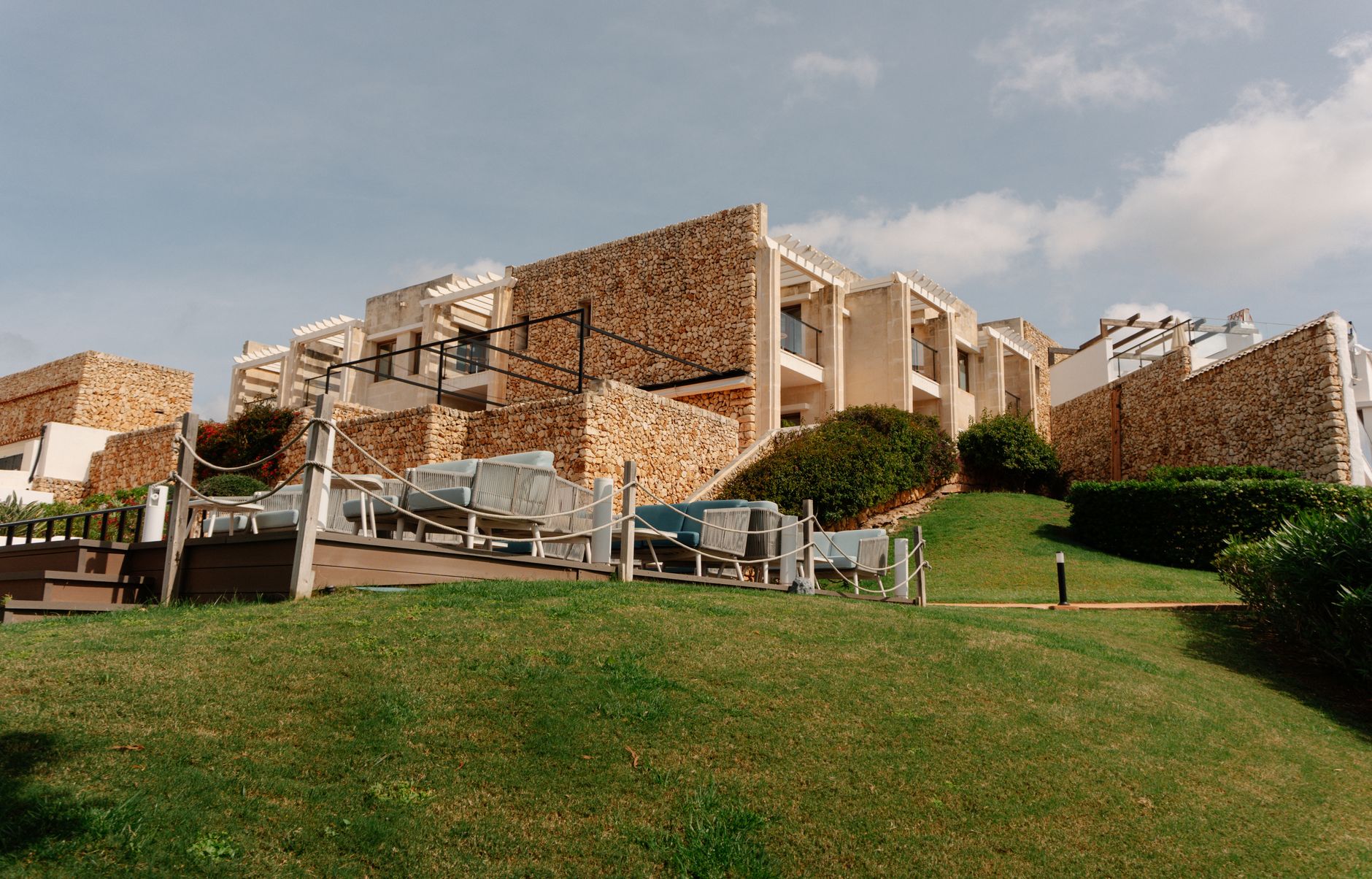
Malta, a small archipelago in the heart of the Mediterranean, is renowned for its rich history, stunning landscapes, and vibrant culture. When planning a trip to Malta, choosing the right place to stay can significantly enhance your experience. With a variety of regions catering to different preferences and budgets, this guide will help you navigate where to stay in Malta.
From bustling urban centers to serene coastal villages, Malta has accommodations suitable for every type of traveler. In this article, we will explore the best areas to stay, what makes each location unique, and tips on how to make the most of your visit.
Where To Stay In Malta?
When deciding where to stay in Malta, consider your interests, travel style, and the experiences you want during your visit. The ideal location can enhance your enjoyment of the island’s historical sites, beaches, nightlife, and local cuisine.
Best Areas to Stay in Malta
Malta offers a range of regions to stay in, each with its distinct character. Here are the most popular areas to consider:
Valletta
The capital city of Malta, Valletta, is an impressive UNESCO World Heritage site. Staying in Valletta provides easy access to numerous historical attractions, including St. John’s Co-Cathedral and the Grand Master’s Palace. Valletta is perfect for culture enthusiasts and those who enjoy vibrant city life.
- Proximity to museums and historical sites
- Charming architecture and narrow streets
- Variety of restaurants and local markets
Sliema
Located just a ferry ride away from Valletta, Sliema offers a blend of modern amenities and stunning views. This bustling area is known for its waterfront promenade, shopping centers, and lively nightlife. Sliema is ideal for those who enjoy a lively atmosphere while still being close to historical sites.
- Popular for shopping and dining
- Access to beaches and ferry services to Valletta
- Vibrant social scene
St. Julian’s
St. Julian’s, particularly known for the area of Paceville, is Malta’s nightlife capital. With numerous bars, clubs, and beachfront restaurants, it’s a great choice for travelers looking to experience Malta’s energetic nightlife. Visitors here can enjoy the beautiful Spinola Bay and a variety of water sports.
- Vibrant nightlife and entertainment options
- Access to beaches and water-based activities
- Suites and hotels catering to young travelers
Mdina
Mdina, the ancient capital of Malta, is a charming medieval town offering a quieter atmosphere. With its narrow streets and stunning architecture, Mdina is perfect for those seeking a tranquil environment steeped in history. Visitors can explore local quaint shops, cafes, and magnificent viewpoints.
- Rich historical ambiance and attractions
- Fewer crowds compared to the larger cities
- Great for romantic getaways
Gozo
Gozo, Malta’s sister island, provides a slower pace and is ideal for nature and adventure lovers. Known for its beautiful landscapes, hiking trails, and beautiful beaches, Gozo is perfect for travelers looking to escape the hustle and bustle. Visitors can explore ancient temples and scenic rural areas.
- More rural and relaxing environment
- Access to beautiful beaches and hiking trails
- Rich in local culture and traditions
Comino
Comino is a small island located between Malta and Gozo, famous for the stunning Blue Lagoon. Though it has very limited accommodation options, those seeking truly unique experiences may choose to stay in Comino for its exceptional natural beauty. Day trips to Comino are also popular for its crystal-clear waters and vibrant sea life.
- Stunning natural scenery
- Perfect for day trips or unique experiences
- Limited accommodation, primarily aimed at adventurous travelers
Accommodations by Type
Malta offers a wide range of accommodations to suit different budgets and preferences. Here’s a breakdown of the common types of accommodations you can find:
Hotels
From luxurious five-star hotels to comfortable budget options, Malta features a range of hotels. Regions like Valletta and St. Julian’s have many established international chains as well as boutique hotels, offering amenities such as pools, spas, and fine dining.
Guesthouses and B&Bs
For a more personalized experience, consider staying at a guesthouse or a bed and breakfast. These often provide an intimate atmosphere and local recommendations from hosts, letting you immerse yourself in Maltese culture.
Hostels
Backpackers and budget travelers will find several hostels in Sliema and St. Julian’s. Offering dormitory-style accommodations and shared facilities, hostels are a great option for socializing and meeting fellow travelers.
Self-Catering Apartments
For families or those preferring more space, self-catering apartments are an excellent option. They provide the flexibility of cooking your own meals while being close to local markets and attractions.
Luxury Villas
Those seeking a unique experience may opt to rent luxury villas, especially in Gozo. These villas often come with pools and private gardens, offering a relaxing retreat for families or groups of friends.
Transportation Options in Malta
Getting around Malta is straightforward, though options can vary based on location. Here’s what you should know:
Public Transport
Malta has an extensive bus network that connects most major areas, making it a cost-effective way to explore the island. The bus system is generally efficient, but be prepared for occasional delays, especially during peak tourist seasons.
Taxis and Ride-Sharing
Taxis are widely available in Malta, and ride-sharing services like Bolt operate in urban areas. Always agree on a fare before starting your journey or ensure the meter is running.
Car Rentals
Renting a car can give you the freedom to explore both Malta and Gozo at your own pace. Cars can be rented from various companies, and while driving is on the left side of the road, road conditions are generally good.
Boats and Ferries
Ferries operate between Malta and Gozo, as well as to Comino. Using a ferry for day trips can be an enjoyable experience, offering stunning views of the coastal regions.
Best Time to Visit Malta
Understanding the best times to visit Malta will help you plan your stay effectively. Here are a few important considerations:
Summer (June to August)
Summer is the peak tourist season, featuring warm weather and vibrant events. Popular for beach activities, this period is ideal for sun-seekers, but expect larger crowds and pricier accommodation.
Spring (March to May)
Spring witnesses pleasant temperatures and blooming scenery. Ideal for outdoor exploring and sightseeing, spring is often less crowded, making it a great choice for travelers seeking a balance between pleasant weather and fewer tourists.
Fall (September to November)
Fall is another excellent time to visit Malta. The weather remains warm enough for beach activities, with many festivals occurring during this period. Prices for accommodations decrease after the summer rush, allowing for a more budget-friendly stay.
Winter (December to February)
While winter is the least popular time to visit Malta due to cooler temperatures and occasional rain, it can be a peaceful time to explore the island. Accommodations may be significantly cheaper, and you can enjoy an authentic local experience without the crowds.
Length of Stay Recommendations
While a short getaway can be enjoyable, Malta has much to offer, and a longer stay allows for a more in-depth experience. Here’s how to plan your length of stay based on interests:
- 3 days: Ideal for those focusing on Valletta, Sliema, and St. Julian’s. Explore the historic sites, enjoy local cuisine, and experience the nightlife.
- 5 days: Recommended for those wishing to explore Valletta, Mdina, and some nearby attractions, like the Blue Lagoon on Comino.
- 7+ days: Perfect for travelers wanting to fully experience Malta and Gozo, allowing time for historical sites, beaches, hiking, and local experiences.
Budget Considerations
Budgeting is essential for a successful trip. Here are some helpful tips for managing your finances in Malta:
- Accommodations: Costs vary by season; reserve well in advance or look for off-peak deals.
- Food and Drink: Dining options range from affordable street food to high-end restaurants; self-catering accommodations can save money on meals.
- Activities and Excursions: Research free or inexpensive local attractions to balance your budget with paid activities.
- Transport: Use public transport and ferries to save money and experience local culture.
Practical Planning Tips
Here are some general tips to keep in mind while planning your stay in Malta:
- Research local customs and etiquette to ensure a respectful visit.
- Book accommodations and popular attractions in advance, especially during peak seasons.
- Pack suitable clothing, including sunscreen and comfortable footwear for walking.
- Consider local health and travel advisories to ensure a safe stay.
Accessibility Considerations
While Malta is a beautiful destination, accessibility can vary. Many tourist sites have made efforts to accommodate those with disabilities, but it’s advisable to check in advance. Public transportation has varying levels of accessibility, so plan routes accordingly.
Family Travel in Malta
Malta is a family-friendly destination with plenty of activities catering to all ages. Here are some family-oriented tips:
- Choose family-friendly accommodations, as many hotels and apartments offer amenities for children.
- Visit attractions like Popeye Village, a film set turned-family park, or spend a day at the beach.
- Consider local events and festivals, as Malta hosts many child-friendly activities throughout the year.
Solo Travel in Malta
For solo travelers, Malta is relatively safe, making it an attractive option. Take advantage of the vibrant social scene in St. Julian’s and Sliema, or join guided tours to meet other travelers while exploring historical sites.
Malta offers something for everyone, no matter where you choose to stay or the time of year you visit. From picturesque landscapes to rich culture, planning your accommodations and logistics with care can create unforgettable memories.
As you finalize your travel plans, consider exploring related destination guides and travel-planning articles. Check out where to stay in Lisbon for vibrant city vibes or discover accommodations in Osaka for a taste of Japan.