
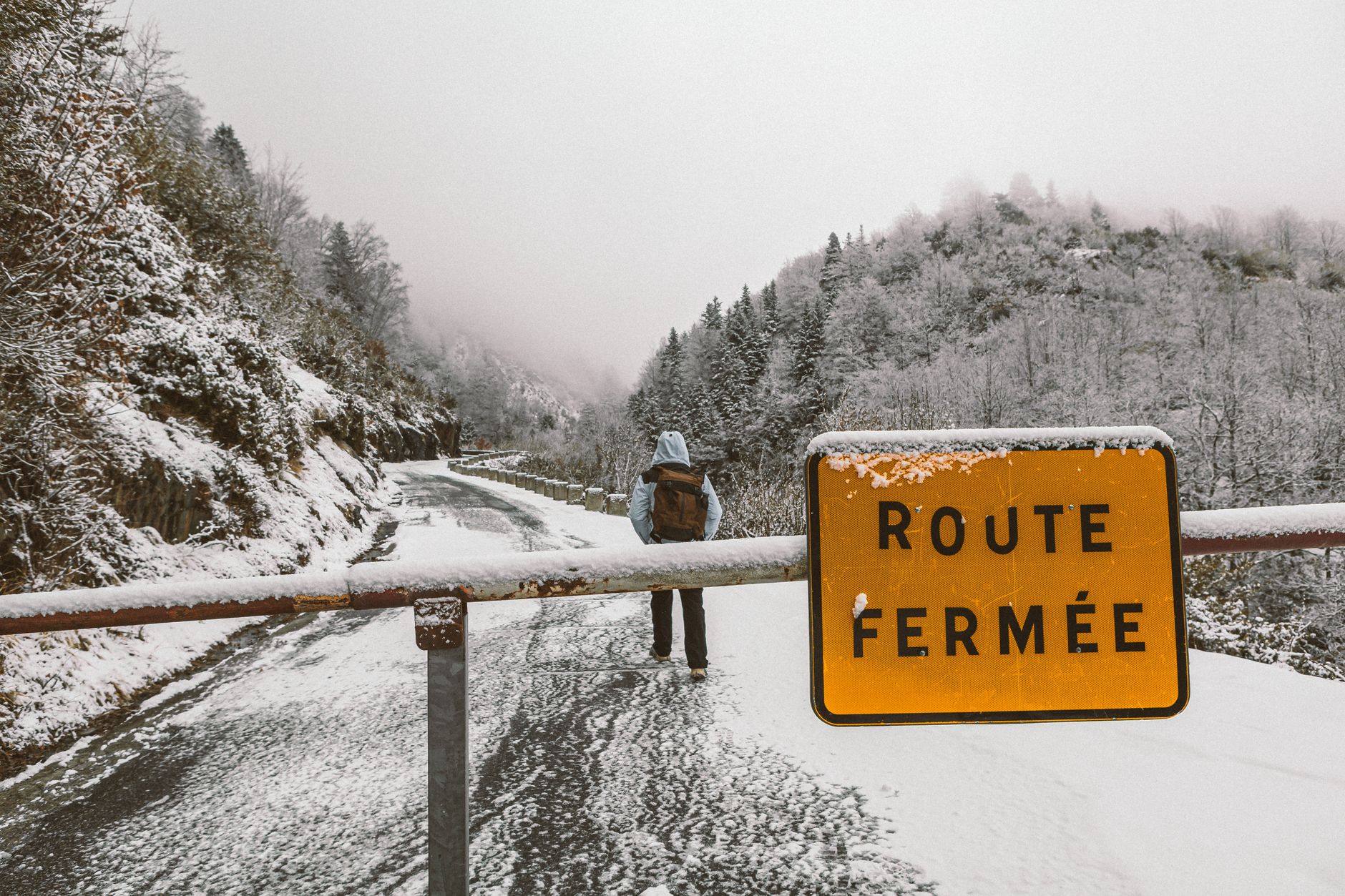
Travelers heading through Wyoming may find themselves facing an unexpected detour due to the closure of Interstate 80 (I-80). Understanding the reasons behind such closures is crucial, especially for those who rely on this major roadway for transportation. In this article, we will explore the various factors that can lead to temporary or prolonged closures of I-80, including weather conditions, accidents, and ongoing construction projects.
By staying informed, you can better plan your journey and make alternative arrangements as needed. We will also provide tips for navigating Wyoming’s highways and making the most of your travel experience, regardless of potential roadblocks.
Why Is I-80 Closed In Wyoming Today?
I-80 closures can occur for several reasons, ranging from severe weather conditions to accidents and road work. Today’s closure may be due to one of these factors:
- Severe Weather: In Wyoming, winter storms can bring heavy snow and icy conditions, making roads unsafe for travel.
- Accidents: Multivehicle collisions happen frequently on busy interstates, often necessitating road closures for safety and cleanup purposes.
- Construction Projects: Ongoing maintenance or upgrades can lead to lane closures or complete shutdowns in certain areas.
Understanding Weather Closures
Weather is perhaps the most significant factor affecting road conditions in Wyoming. Winter months can see brutal storms that may cause blizzard-like conditions.
Types of Weather Conditions Causing Closures
- Snow Storms: Heavy, wet snow can accumulate rapidly, leading to hazardous driving conditions.
- Ice: Icy roads can be treacherous, often resulting in accidents that can close the roadway.
- Visibility Issues: Fog or snow can severely limit visibility, prompting authorities to close the road until conditions improve.
It’s crucial to monitor weather reports and road conditions before embarking on your trip. If severe weather is forecasted, consider alternative routes or travel dates.
Accident Response and Road Closures
Unfortunately, accidents on such busy routes can lead to significant delays and road closures. When an accident occurs, emergency responders need space to operate safely.
What Happens During an Accident Closure?
- Emergency Services: First responders arrive at the scene to manage the situation and provide assistance.
- Traffic Control: Law enforcement may close parts of the road to ensure the safety of responders and travelers.
- Investigation: After the immediate response, an investigation might be conducted, further prolonging the closure.
In such cases, electronic signs or traffic reports will typically provide updates on the estimated duration of the closure and recommended detours.
Construction Projects and Their Impact
Interstate 80 is a critical corridor that undergoes regular maintenance and improvement projects. These efforts can impact travel for extended periods but are essential for road safety.
Types of Construction Work
- Repaving: Roads may be resurfaced to maintain a safe driving surface.
- Bridges: Repairs or upgrades to bridges may require lane reductions or complete closures.
- Sign Installation: New traffic or safety signs may lead to temporary obstructions.
Travelers should remain flexible during construction season, planning for possible delays and checking the Wyoming Department of Transportation (WYDOT) website for up-to-date information on closures and detours.
Best Practices for Dealing with Road Closures
When faced with a road closure on I-80, consider these best practices for a smoother travel experience:
- Stay Informed: Use apps or websites that provide real-time traffic updates. WYDOT offers a website and phone app to keep travelers updated.
- Have Alternate Routes Planned: Familiarize yourself with detours in advance so you can navigate around any closures efficiently.
- Travel Off-Peak Hours: If possible, plan your trip during less busy times to avoid heavy congestion.
- Pack Essentials: Keep snacks, water, and emergency supplies in your vehicle, especially during winter months.
Traveling Through Wyoming
Wyoming is known for its breathtaking landscapes and natural beauty, making road trips through this state a memorable experience. Here are some highlights for those planning to travel I-80:
Attractions Along I-80
- Cheyenne: The state capital provides numerous cultural attractions, including the Wyoming State Museum and the historic Cheyenne Depot.
- Laramie: Home to the University of Wyoming, this town offers a vibrant atmosphere with museums and outdoor recreation opportunities.
- Rock Springs: Known for its history as a railroad town, visit the Sweetwater County Historical Museum for a glimpse into the past.
When to Travel and What to Expect
The best time to travel I-80 in Wyoming varies depending on your interests:
Seasonal Considerations
- Summer: A popular time for road trips, expect warm temperatures and bustling attractions. Ideal for hiking and outdoor activities.
- Fall: Experience stunning fall foliage, with fewer crowds and milder weather compared to summer.
- Winter: Prepare for hazardous travel conditions due to snow and ice. Ensure your vehicle is equipped for winter driving.
- Spring: A mixed bag; while some areas start to thaw, others still face winter conditions. Stay updated on road conditions.
Having awareness of these seasonal variations will help you plan your journey with safety and enjoyment in mind.
Accommodation and Rest Stops
Planning for adequate rest during your travels is critical. Here’s a guide to accommodations and rest stops along I-80:
Where to Stay
- Cheyenne: Offers various hotels, ranging from budget options to more upscale accommodations. The city is known for its friendly service and welcoming atmosphere.
- Laramie: A college town with a range of lodging options, perfect for budget travelers or those seeking modern amenities.
- Rock Springs: This town features various hotels and motels, along with several dining options for travelers.
Choosing to stay in these towns allows travelers to explore local attractions and recharge before continuing their journey.
Final Safety Checks and Preparations
As you prepare for your trip along I-80, consider these final safety tips:
- Vehicle Maintenance: Ensure your vehicle is in good working condition, checking the battery, tires, and lights.
- Emergency Kit: Carry an emergency kit containing items like a flashlight, blanket, snacks, and a first aid kit.
- Know Emergency Numbers: Familiarize yourself with local emergency contact numbers and services along your route.
By following these guidelines and staying informed, you will be well-prepared to handle any unexpected situations during your travels along I-80.
To summarize, understanding the reasons behind the closure of I-80 in Wyoming today—whether due to weather, accidents, or construction—can prepare you for your journey and help mitigate the challenges of road travel. Staying updated through reliable sources and being flexible with your plans will enhance your overall travel experience.
For more information on travel-related topics, explore articles on traffic concerns on I-40 and the current conditions of air travel in our piece about flying safety. These resources can provide valuable insights for your upcoming trips.