
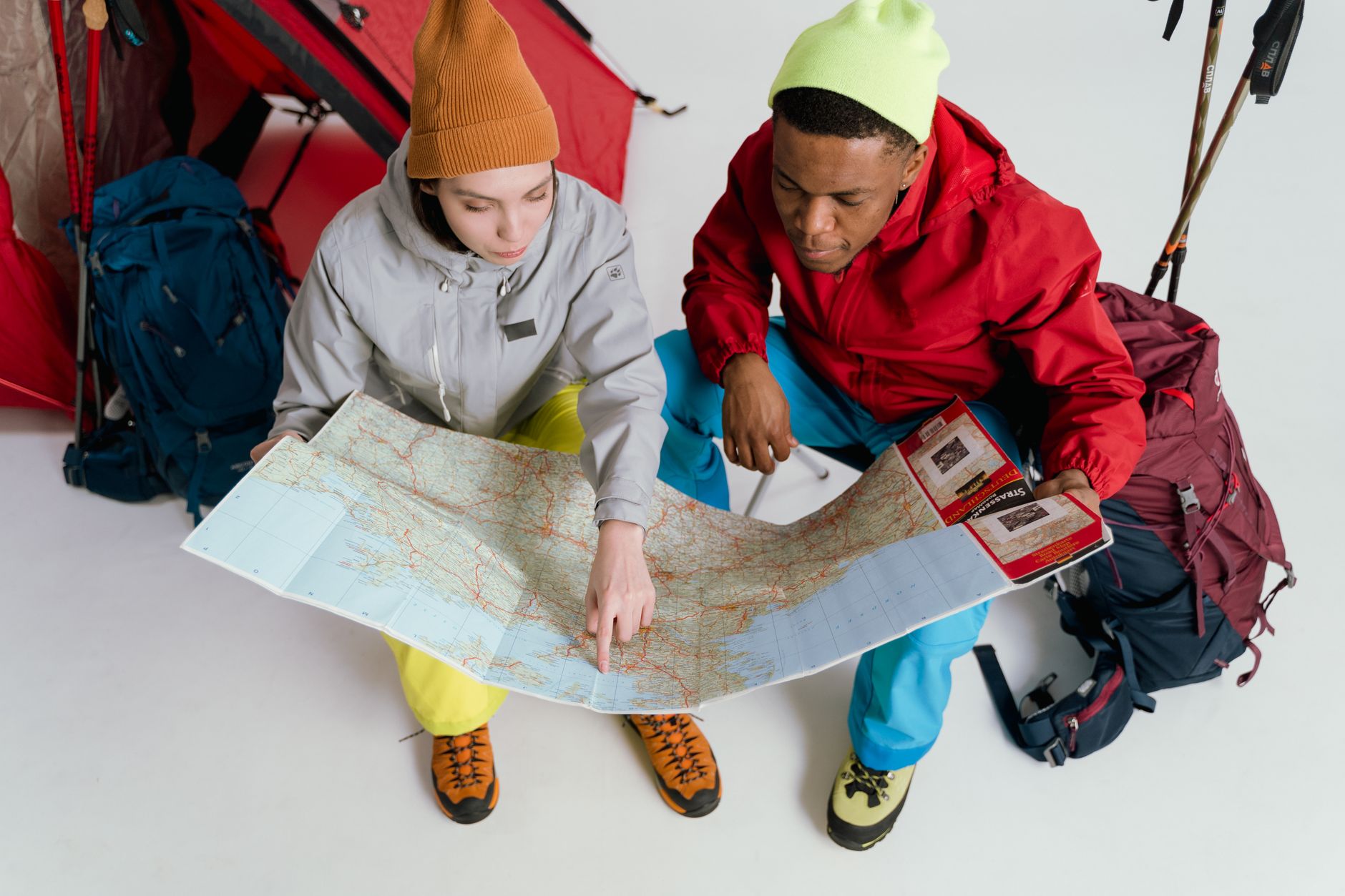
Traveling with a backpack raises a common question: is a backpack considered a carry-on item? The answer varies depending on the airline, backpack size, and regulations. Understanding these parameters is essential for hassle-free boarding and travel experience.
In this article, we will explore the nuances of whether a backpack qualifies as a carry-on item, how to determine the best size for your journey, and the best packing practices. We’ll also provide insights into specific airline policies to help you avoid unexpected surprises at the airport.
Is A Backpack A Carry On?
A backpack can be a carry-on item, but that depends on the airline’s specific regulations regarding size and weight. Most airlines allow carry-ons that fit certain dimensions, and a standard-sized backpack usually qualifies. Always verify your airline’s individual policy for precise guidelines.
Understanding Carry-On vs Personal Items
Before we dive deeper, it’s crucial to understand the difference between carry-on luggage and personal items. A carry-on typically refers to larger luggage that goes in the overhead bin, while personal items, such as a small backpack or handbag, fit under the seat in front of you.
Airline Policies
Every airline has different policies regarding what constitutes a carry-on item. Here’s a general overview of what you can expect:
- Carry-On Size: Most airlines allow a carry-on bag that is typically around 22 x 14 x 9 inches or 56 x 36 x 23 cm.
- Personal Item Size: Personal items, including small backpacks, are generally capped at dimensions around 18 x 14 x 8 inches or 45 x 35 x 20 cm.
- Weight Restrictions: Certain airlines impose weight restrictions on carry-ons, which can range from 15 to 25 pounds (7 to 11 kg).
Choosing the Right Backpack
When selecting a backpack for airline travel, consider the following factors:
- Size: Ensure it complies with the airline’s maximum dimensions for carry-on luggage. A backpack that is too large may lead to additional fees or having to check it in.
- Weight: Lightweight materials can save you from weight limits. Select a comfortable backpack that won’t weigh you down.
- Pockets and Compartments: Look for a backpack with multiple compartments to organize your travel essentials, making it easier to access items on-the-go.
Best Backpack Types for Carry-On Use
Here are a few styles that work well as carry-on backpacks:
- Travel Backpacks: Designed for travel, these backpacks often come with ample organizational features and comfortable straps.
- Daypacks: Smaller than travel backpacks but suitable for day trips, daypacks work great as personal items.
- Convertible Backpacks: These can change from a backpack to a carry-on suitcase, providing versatility.
Packing Techniques for Carry-On Backpacks
Packing efficiently in your backpack not only helps you fit in the essentials but also makes navigating through security and boarding easier.
The Roll vs Fold Debate
Two primary methods dominate packing techniques:
- Rolling Clothing: Rolling reduces wrinkles and saves space. It’s effective for t-shirts, jeans, and lightweight fabrics.
- Folding Clothing: Traditional folding works better for dress shirts and structured clothing, helping maintain form.
Essential Packing List
Here’s a useful packing list for your next backpacking journey:
- Clothing (base layers, outerwear, shoes)
- Toiletries (keep liquids within TSA limits)
- Electronics (tablet, phone, chargers)
- Travel Documents (passport, boarding pass)
- Snacks and a refillable water bottle
Airline-Specific Backpack Carry-On Policies
Understanding individual airline policies can save time and prevent unexpected fees. Here is an overview of policies from popular airlines:
North American Airlines
- American Airlines: Allows one carry-on bag and one personal item, with maximum dimensions of 22 x 14 x 9 inches for carry-ons.
- Delta Airlines: Similar to American, with carry-on size limit as well as personal item restrictions.
- United Airlines: Also follows standard carry-on size, ensuring backpacks can qualify if the dimensions are respected.
Budget Airlines
- Spirit Airlines: Implements stricter carry-on policies, with fees for larger bags. A small backpack can serve as a free personal item if within limits.
- Ryanair: Allows a small backpack that fits under the seat for free, with larger backpacks as add-on paid options.
The Importance of Checking Airline Policies
Policies can fluctuate, and airlines may adjust guidelines seasonally or during high-demand travel periods. Always check directly with the airline before traveling to ensure compliance and avoid surprises.
Common Mistakes to Avoid
Here are some frequent pitfalls travelers encounter when using a backpack as a carry-on:
- Overpacking: Fill your backpack efficiently, and avoid bringing items that exceed weight limits.
- Poor Packing Order: Place essential items, such as IDs and electronic devices, at the top or front for easy access during security checks.
- Ignoring Weight Limits: Weigh your backpack before traveling to prevent surprises at check-in.
Security Guidelines
When traveling with a backpack, adhere to TSA guidelines to streamline your airport experience:
- Liquids must be in containers of 3.4 ounces (100ml) or less, placed in a quart-sized clear bag.
- Remove laptops and larger electronics from your backpack for screening.
- Be prepared to remove shoes or outer jackets at security if required.
Traveling Internationally with a Backpack
When flying internationally, be mindful of restrictions that can vary significantly based on your destination. Certain countries may have unique rules regarding what is allowed in your carry-on backpack.
European Guidelines
- Most European countries follow similar TSA guidelines, but always check local regulations.
- Airlines operating within Europe, like EasyJet and Vueling, often have strict personal item policies, so ensure proper sizing.
Common International Carry-On Questions
Some additional considerations as you prepare for international flights:
- Check for regulations on specific items (e.g., fresh fruits, vegetables, etc.) as they can differ based on the country.
- Learn about the local customs regarding duty-free items and how they must be packed.
Traveling with Children: Family Backpacking
If traveling with kids, a backpack can serve dual purposes, housing essentials for both you and your little ones. Consider these tips for family travel:
Family-Specific Packing Tips
- Pack smaller versions of your child’s favorite items to save space.
- Ensure you have snacks, toys, and necessary items to entertain children during flights.
- Divide important items among family members’ backpacks to spread out risk in the event of lost luggage.
What to Do if Your Backpack Doesn’t Fit the Requirements
If your backpack exceeds the stipulated size for carry-ons or personal items, you have a few options:
- Check It In: While this can incur fees, checking a large backpack allows you to travel lighter.
- Repack: Redistribute items to meet size requirements, or switch to a smaller bag.
- Consider Renting: In some travel destinations, consider renting gear or luggage for convenience.
Conclusion
Understanding whether a backpack is a carry-on involves knowing your airline’s regulations and preparing accordingly. Choosing the right size, efficient packing, and being aware of security guidelines can lead to a smoother travel experience. Always check specific airline details for the most accurate information and enjoy your travels!
For more related articles, explore our guides on whether a backpack is a personal item at this link, and check out what is not allowed on a plane carry-on at this link.