
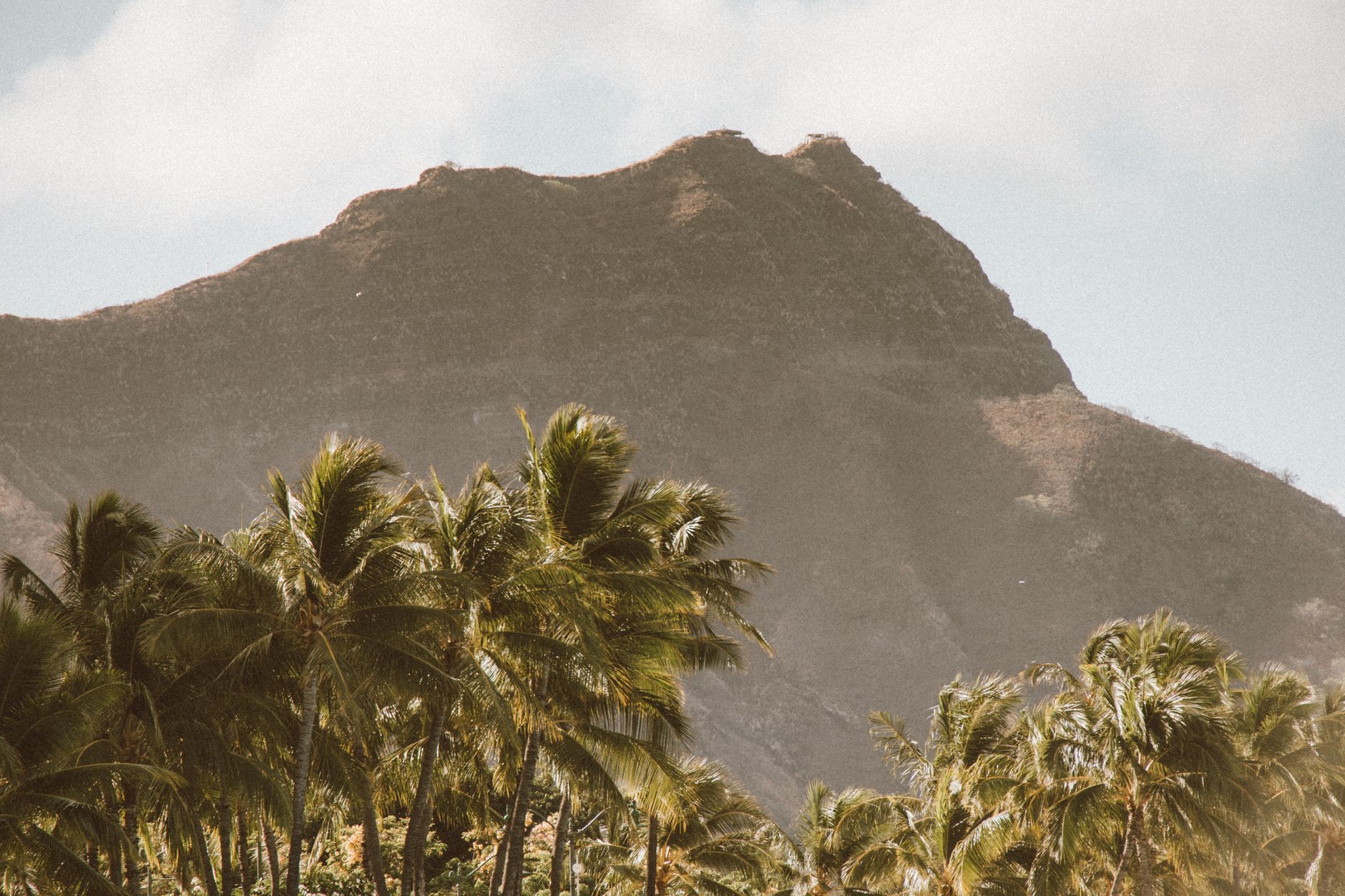
Hawaii, renowned for its beautiful beaches and warm climate, is not a destination most people associate with snow. However, certain elevations in the state do experience snowfall, particularly during the winter months. Understanding where and when this phenomenon occurs can enhance your travel experience and provide a unique perspective on the islands.
This article will delve into whether Hawaii gets snow, detailing where you might encounter it, the best times to plan your visit, and what to do in those snowy locations. Whether you’re a winter sports enthusiast or simply curious, prepare to explore the snowy side of the Aloha State.
Does Hawaii Get Snow?
Yes, Hawaii does get snow, but it’s mostly limited to high elevations, particularly on Mauna Kea and Mauna Loa on the Big Island. These volcanic mountains reach elevations over 13,000 feet, allowing them to cool enough to create snow during winter storms.
Where to Find Snow in Hawaii
Snow in Hawaii is a rare sight, primarily found on the Big Island’s tallest peaks. Below are the main locations where snow can be expected.
Mauna Kea
Mauna Kea, standing at 13,796 feet, is the main destination for snow in Hawaii. This dormant volcano often experiences snow from late November until early April. The snow typically falls during cold fronts that sweep across the islands.
Mauna Loa
Mauna Loa, which rises to 13,681 feet, can also receive snow. Snow events here are less frequent compared to Mauna Kea; however, visitors might still witness some wintry conditions in the higher elevations during winter months.
When is the Best Time to See Snow?
The best time to see snow in Hawaii is during the winter months, particularly from late November to early March. The peak likelihood for snowfall occurs during January and February.
Weather patterns can vary greatly, so it’s always best to check forecasts before visiting. Be mindful that conditions can change rapidly at high elevations, which may include icy roads and fog.
Getting to the Snowy Areas
Accessing the snow on Mauna Kea and Mauna Loa requires a bit of planning due to their remote locations. Here are the transportation options available:
By Car
The most common way to reach Mauna Kea is by car. From Hilo, the drive is approximately 45 miles, and from Kailua-Kona, it is about 90 miles. The last stretch of the journey involves a steep and steeply winding road; it’s essential to drive a four-wheel-drive vehicle for safety and comfort.
Guided Tours
For visitors who prefer not to drive, various companies offer guided tours to the snow-capped peaks. These tours often include stargazing experiences, utilizing the clear night skies of the observatories located on Mauna Kea.
Things to Do in Snowy Hawaii
Experiencing snow in Hawaii is an opportunity to enjoy a range of unique activities that combine the island’s tropical backdrop with the rare winter wonderland. Here are some activities to consider:
Snow Play
While Hawaii is not known for traditional snow sports, you can still enjoy a day of fun in the snow. Bring along snow gear like sleds, or simply build a snowman and throw some snowballs. Enjoying the snow while surrounded by lava rock formations presents a unique contrast.
Stargazing
Mauna Kea is renowned for its astronomical observatories. The elevation and limited light pollution make it one of the best places in the world for stargazing. Once the sun sets, grab a telescope or simply lay back and watch the stars come alive against an incredibly clear sky.
Photography
The juxtaposition of snow against the volcanic rock and lush green landscapes provides stunning photo opportunities. Capture the snowy peaks along with the vibrant flora of Hawaii for unique photographic memories.
Exploration and Hiking
If conditions allow, you can explore some hiking trails near the snowy areas. Many trails offer stunning views of the surrounding landscape. However, be sure to check for local conditions and any closures before setting off on a hike.
Where to Stay in Hawaii When Visiting the Snow
When planning a trip to see snow in Hawaii, choosing accommodation may depend on which island you’ll be visiting. Here are some options nearby the mountainous regions to consider.
Hilo
If you plan to visit Mauna Kea or Mauna Loa, Hilo is the closest city with plenty of accommodation options. The town has a range of hotels, inns, and vacation rentals that provide a comfortable base.
Kailua-Kona
Located on the western side of the Big Island, Kailua-Kona is further from Mauna Kea but offers numerous resort-style accommodations. Many visitors choose this area for its beautiful beaches and access to local dining and shopping while still being within driving distance of the snowy peaks.
Camping
For the adventurous, camping is an option at higher elevations. Just remember that temperatures can drop significantly at night, so come prepared with warm gear.
Safety Considerations for Snowy Adventures
While snow can be fun and exciting, it’s important to keep safety in mind, especially when traversing high and potentially hazardous areas. Here are some essential precautions:
Check Conditions
Always check local weather conditions before heading to the snow. The high winds and sudden temperature drops at elevation can create hazardous conditions quickly.
Dress Warmly
Even though you may have enjoyed sunshine earlier in your trip, temperatures at higher elevations can be freezing. Wear layers, including warm jackets, gloves, hats, and waterproof boots.
Stay Hydrated
It’s easy to underestimate the effects of altitude and the Hawaiian sun. Ensure you stay hydrated and take breaks as needed during your activities.
Traveling to Hawaii on a Budget
Traveling to Hawaii does not have to break the bank. Here are some tips to save money while still enjoying your time on the islands.
Accommodations
Consider staying at budget-friendly hostels, vacation rentals, or campgrounds, which can significantly reduce lodging costs. Booking hotels well in advance can also yield better rates.
Transportation
Renting a car can be wise for exploring the islands at your own pace, especially if you plan to visit snowy areas. Look for discount rental companies or deals online.
Activities
Many activities in Hawaii, including beach access and hiking, can be free or low-cost. While visiting the snowy areas, take advantage of nature’s beauty by engaging in outdoor activities that require little to no cost.
Environmental Considerations
Hawaii is a fragile ecosystem. When enjoying the snowy regions, be mindful of your environmental impact. Stick to marked trails to protect native plants and wildlife.
Leave No Trace
When visiting the snow areas, it’s important to pack out what you pack in. Bring reusable containers and dispose of garbage properly.
Respect Wildlife
While you may see rare wildlife while exploring, maintain a safe distance. Never approach or feed animals, as this can disrupt their natural behaviors.
Is Snowfall in Hawaii Rare?
Snowfall in Hawaii is indeed rare, but it’s not unheard of. The perfect conditions must align for snow to fall at such warm latitudes. Tourists visit with an expectation of serene beaches and warm sun, so finding snow can feel unexpected and thrilling.
For many, witnessing snow in Hawaii is a delightful surprise that adds a unique twist to the typical Hawaiian getaway. Whether it’s a fleeting flurry or a more substantial accumulation, it enriches the experience of the islands.
Summary
Hawaii does get snow, particularly on the peaks of Mauna Kea and Mauna Loa. Visiting these unique areas allows travelers to experience both tropical and snowy environments. Snow typically falls between late November and early March, offering opportunities for snow play, stargazing, and hiking. As you plan your trip, consider accommodations, transport, and safety so you can fully enjoy this rare event.
Ready to explore the rest of Hawaii? Check other travel guides to learn about incredible destinations, like snow conditions in Arizona, or current snow levels in Big Bear.