
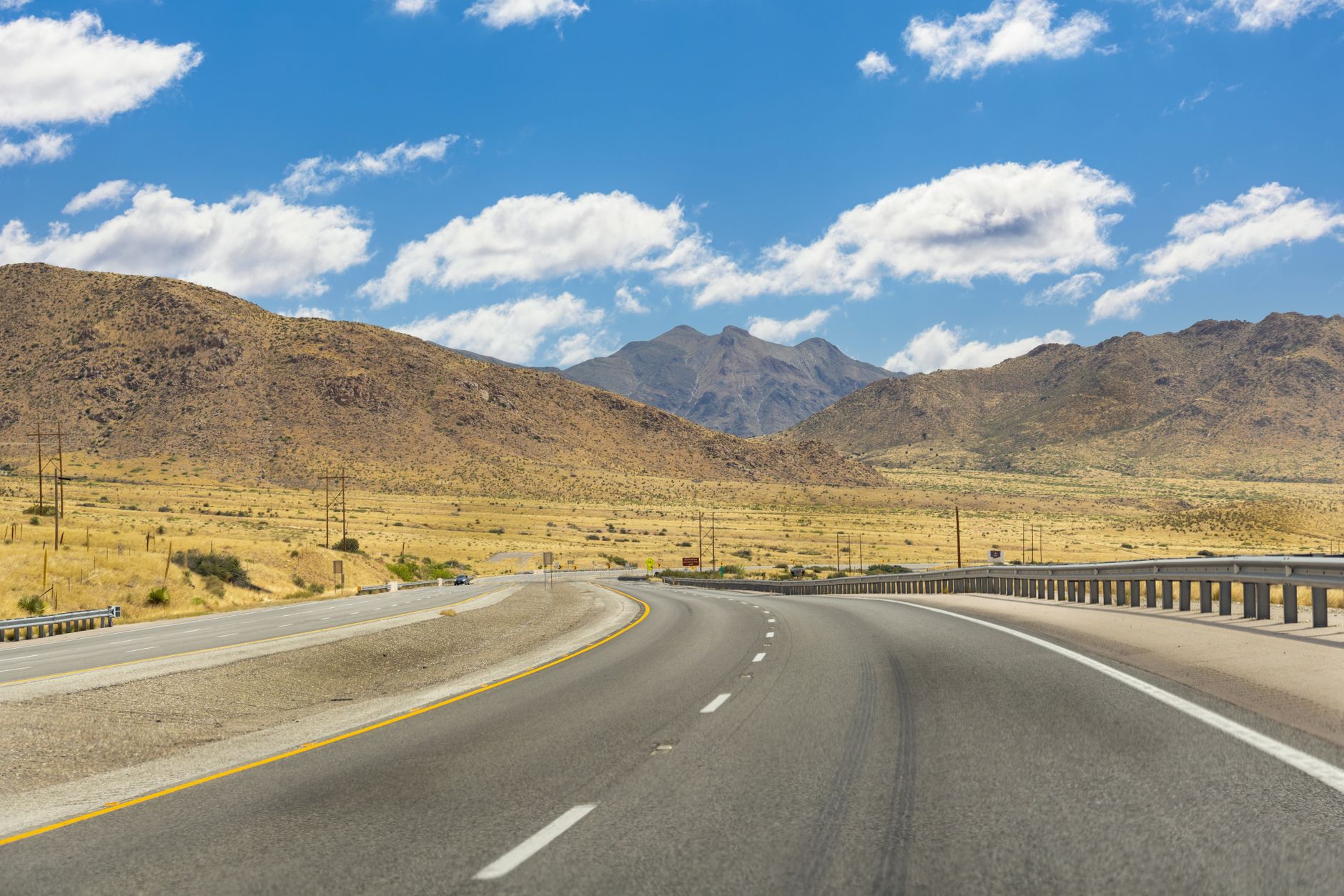
Driving across Texas offers a unique adventure and a chance to explore diverse landscapes, charming towns, and rich cultures. However, understanding how long this journey takes is essential for effective trip planning. This article will delve into the details of driving across the Lone Star State, including travel times, routes, attractions along the way, and practical tips for an enjoyable road trip.
The distance of a typical drive across Texas can range from about 600 miles to over 800 miles, depending on the route you take. With varying speeds and stops, it’s important to factor in your driving preferences for a realistic trip duration.
How Long Does It Take To Drive Across Texas?
Typically, it takes about 10 to 12 hours to drive across Texas without significant stops. However, the duration can be extended depending on traffic conditions, road work, and personal breaks. For an average traveler, consider a full day of driving to get from one end to the other, and potentially two or more days if you plan to explore along the way.
Distance and Routes Across Texas
The primary highway routes for crossing Texas are Interstate 10 (I-10), Interstate 20 (I-20), and U.S. Route 90. Each of these roads presents different scenery and attractions, which can make your journey more enjoyable.
Driving Route Details
- Interstate 10 (I-10): This route starts at the Texas border with New Mexico and stretches all the way to Orange, Texas. Traveling I-10 averages 600 miles across the state.
- Interstate 20 (I-20): Starting from the New Mexico border and ending in the western outskirts of Longview, this route covers about 700 miles. I-20 is known for less traffic but fewer major attractions on the immediate highway.
- U.S. Route 90: This highway runs parallel to I-10 but often provides a more scenic drive through small towns and landscapes. It covers around 700 miles across Texas and is excellent for those looking for a more leisurely pace.
Planning Your Time: Factors to Consider
When planning your drive across Texas, consider various factors such as route choice, speed limits, and stops. Here’s how to maximize your travel experience:
1. Trip Duration
Driving straight through can take approximately 10 to 12 hours, but plan additional time for:
- Rest breaks (at least 15-30 minutes every few hours)
- Meals and snacks
- Sightseeing and attractions
2. Speed Limits
Speed limits vary significantly in Texas. On highways, they can range from 70 to 75 mph. However, rural areas may have lower limits. Always check for local speed limit signs to ensure you stay within legal bounds and maintain safety.
3. Traffic and Road Conditions
Traffic jams and road work can impact travel times. Major cities such as Houston, Dallas, and San Antonio can have heavy traffic, especially during rush hours. Always check road conditions in advance to avoid delays.
Recommended Stops Along the Way
Whether you’re driving on I-10, I-20, or U.S. Route 90, taking breaks can enhance your journey. Here are some recommendations for places to stop and explore.
Attractions on I-10
- El Paso: Visit the vibrant arts community or enjoy some Tex-Mex cuisine.
- Fort Stockton: Check out the historic Fort Stockton and nearby attractions.
- San Antonio: Known for the Alamo and the River Walk, this city warrants a substantial stop.
Attractions on I-20
- Abilene: Discover the Frontier Texas Museum and vintage shops downtown.
- Weatherford: Stop by the famous Parker County Peach Festival, if in season.
Attractions on U.S. Route 90
- Del Rio: Enjoy a riverfront view at Lake Amistad.
- Brackettville: Visit the historic Alamo Village, known for its film background.
- Castroville: Explore this charming town, celebrating its Alsatian heritage.
Potential Itinerary for a Texas Road Trip
To truly appreciate the vastness of Texas, consider a multi-day itinerary that allows time for rest and exploration. Here’s a sample itinerary covering key stops:
Day 1: Start in El Paso
- Drive from El Paso to Fort Stockton (approximately 3 hours).
- Explore the local history at Fort Stockton.
- Continue to San Antonio (approximately 5 hours).
Day 2: Discover San Antonio
- Spend the day visiting the Alamo, River Walk, and local eateries.
- Stay overnight in San Antonio.
Day 3: Head to Austin
- Drive to Austin (approximately 1 to 1.5 hours).
- Explore the State Capitol, South Congress Avenue, and local music venues.
Day 4: Final Stretch to Houston
- Drive from Austin to Houston (approximately 2.5 to 3 hours).
- Spend time at the Houston Space Center or visit local museums.
Optional Day 5: Venture to the Coast
- If time allows, take a detour to Galveston or Corpus Christi.
- Relax at the beach and enjoy the coastal scenery.
Tips for a Successful Road Trip
To have a safe and enjoyable Texas road trip, consider these practical tips:
1. Vehicle Readiness
- Ensure your vehicle is in good condition. Check tire pressure, oil, and fluid levels before the trip.
- Make sure you have an emergency kit stocked with supplies such as extra water, snacks, and tools.
2. Stay Hydrated and Snack Smart
- Texas can have extreme temperatures. Keep plenty of water and healthy snacks on hand.
- Try local snacks, such as pecans or beef jerky, for a unique taste of Texas.
3. Map Your Route
- Although GPS is handy, consider bringing a physical map in case of poor cell service.
- Study alternate routes and attractions along the way to maximize your experience.
4. Plan Accommodations
- Book hotels or campsites in advance, especially during tourist seasons.
- Look for accommodations that offer early check-in or late check-out options to best suit your schedule.
5. Entertainment on the Road
- Prepare playlists, audiobooks, or podcasts to keep everyone entertained.
- If traveling with kids, plan stops at parks or attractions to break up the drive.
Budgeting for Your Journey
Establishing a realistic budget is crucial for managing expenses during your Texas road trip. Here are some key factors to consider:
- Gas Costs: With the high prices of fuel, factor in approximately $3.00 to $4.00 per gallon, depending on current rates.
- Accommodation: Budget anywhere from $70 to $150 per night for hotels, depending on your chosen location and time of booking.
- Food and Activities: Allocate around $30 to $60 per person daily for meals and entrance fees at attractions.
- Miscellaneous Expenses: Include additional funds for snacks, souvenirs, and unexpected costs.
When to Visit Texas
Texas has a diverse climate that varies significantly by region. The best times for visiting generally fall during the spring (March to May) and fall (September to November) when temperatures are mild. Summer can be swelteringly hot, making it less ideal for road trips.
Safety Considerations
While traveling across Texas, safety should be a priority. This involves:
- Keeping your vehicle locked and belongings secure when stopped.
- Being aware of changing weather conditions that could affect driving.
- Following traffic safety laws and ensuring everyone wears seatbelts.
Accessibility Considerations
Texas is generally accessible, but some areas may present challenges for those with mobility issues. When planning your road trip, research accommodations, restaurants, and attractions to ensure they are accessible. Major urban areas tend to have better accessibility options than rural areas.
With its sprawling width, diverse cities, and attractions, a road trip across Texas can be a memorable experience filled with fun, food, and adventure. Proper planning and pacing can help you enjoy the journey while making the most of what the Lone Star State has to offer.
Now that you’re equipped with the knowledge to plan your Texas road trip, take the next step and explore related travel articles. Check out how to plan a birthday road trip or learn how frequently you should take breaks when driving long distances for even more travel tips.