
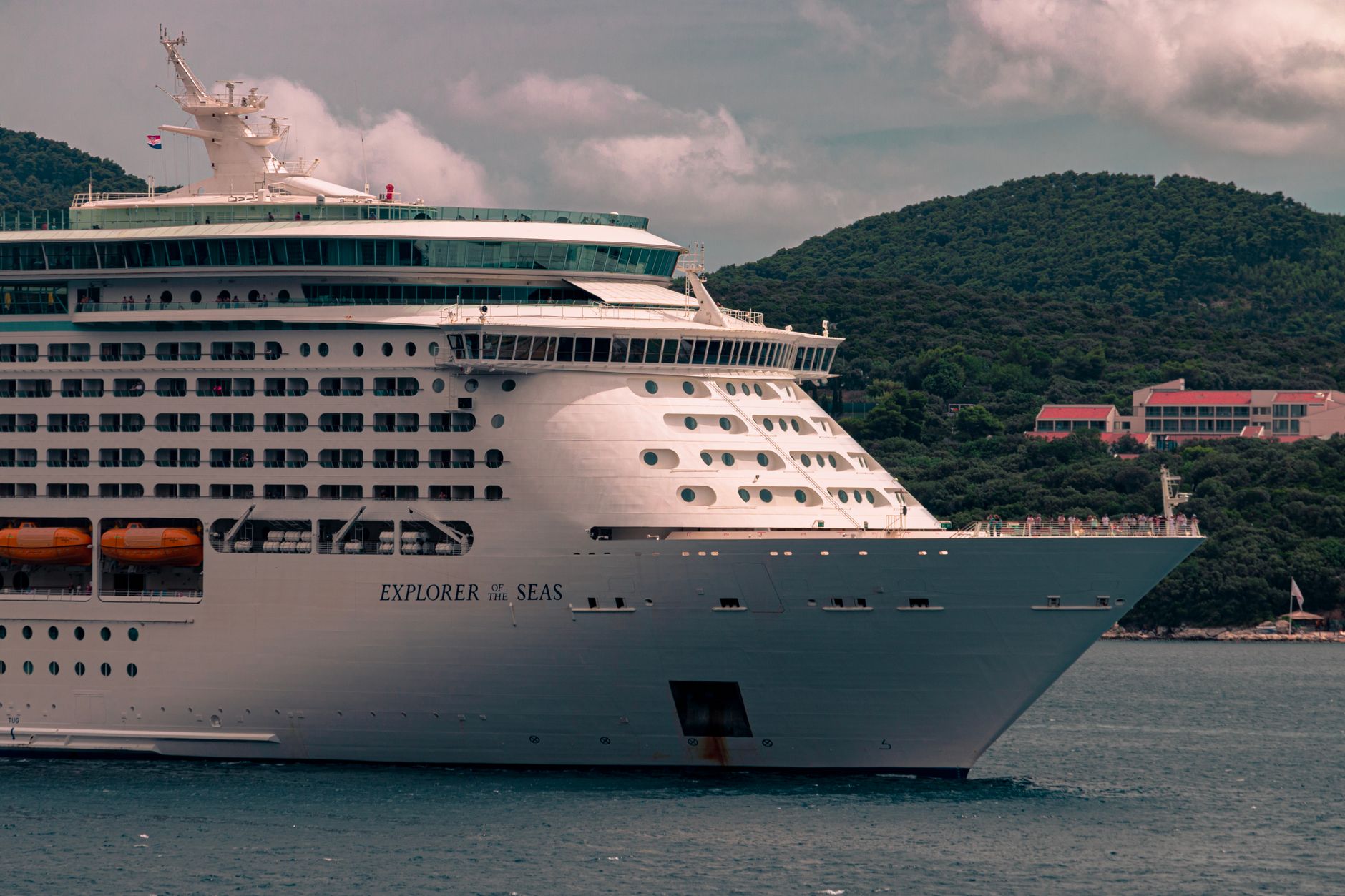
When planning a cruise, travelers often focus on itineraries, ship amenities, or onboard experiences. However, one fascinating aspect that frequently goes overlooked is the weight of the cruise ship itself. Understanding how much a cruise ship weighs can provide insight into its construction, capabilities, and operational efficiency. In this article, we’ll explore the factors contributing to a cruise ship’s weight and the various ranges of weights for different classes of vessels.
The weight of a cruise ship is generally measured in gross tonnage (GT), a unit reflecting the ship’s total internal volume. This measurement helps not only in determining a ship’s size but also in regulatory matters and fees. Cruise ships vary widely in weight based on their design, purpose, and capacity. From mega-ships accommodating thousands of passengers to more intimate vessels designed for smaller groups, cruise ships come in all shapes and sizes.
How Much Does a Cruise Ship Weigh?
The weight of a cruise ship can vary significantly depending on its type and size. Generally, a cruise ship’s weight can range from about 30,000 gross tons for smaller vessels to over 230,000 gross tons for the largest ships, like those from Royal Caribbean’s Oasis Class. These ships can accommodate over 6,000 passengers and house numerous amenities, making them floating cities on water.
The weight measurement captures the entire volume of the ship, including passenger cabins, crew quarters, management facilities, dining areas, and entertainment spaces. The weight of equipment like engines and hull materials is also included. Below, we will explore the different categories of cruise ships and their respective weights.
Cruise Ship Categories and Their Weights
Cruise ships can be classified into various categories based on size and passenger capacity. Here’s a breakdown of the main cruise ship categories along with their approximate weights:
- Small Cruise Ships: Generally ranging from 30,000 to 70,000 gross tons, these ships accommodate around 100 to 1,000 passengers. They often focus on unique itineraries in lesser-known ports.
- Mid-sized Cruise Ships: Ranging from 70,000 to 150,000 gross tons, these ships can host 1,000 to 2,500 passengers. They typically have more amenities than small ships while still providing a more personal experience.
- Larger Cruise Ships: These ships generally weigh between 150,000 and 200,000 gross tons and can accommodate 2,500 to 4,000 passengers. They offer abundant onboard activities, services, and dining options.
- Mega Cruise Ships: Weighing over 200,000 gross tons, these massive vessels can carry 5,000 passengers and more. They are known for their extravagant designs, including zip lines, water parks, and even ice-skating rinks.
Factors Affecting a Cruise Ship’s Weight
Several factors contribute to the overall weight of a cruise ship. Understanding these can help travelers grasp the complexity behind a ship’s design and operation:
1. Structural Design and Materials
The hull structure, deck materials, and internal compartments significantly affect weight. Ships built with reinforced steel or advanced composites tend to weigh more but also offer enhanced durability and safety.
2. Passenger Capacity
The number of cabins, decks, and public areas influences a ship’s weight. More passengers require additional facilities, leading to increased overall weight. For instance, mega cruise ships place significant importance on maximizing passenger capacity.
3. Amenities and Features
Modern cruise ships are designed with numerous amenities, from swimming pools and theaters to shopping centers and restaurants. Each additional feature adds to the ship’s weight, as these elements require both structural support and space.
4. Operational Equipment
Heavy machinery, engines, and generators contribute significantly to a ship’s weight. Longer journeys require larger fuel tanks, which also add weight, impacting the cruise ship’s overall operation.
Comparative Weights of Notable Cruise Ships
To illustrate the range of weights among various cruise lines, here’s a look at some popular cruise ships and their respective gross tonnages:
| Ship Name | Cruise Line | Gross Tonnage (GT) | Passenger Capacity |
|---|---|---|---|
| Oasis of the Seas | Royal Caribbean | 226,838 | 6,780 |
| Symphony of the Seas | Royal Caribbean | 228,081 | 6,680 |
| Norwegian Bliss | Norwegian Cruise Line | 168,028 | 4,000 |
| Carnival Vista | Carnival Cruise Line | 133,500 | 3,934 |
| The World | Residensea | 43,524 | 200 |
The Impact of Weight on Cruise Ship Design
The weight of a cruise ship plays a pivotal role in its design and operation. Heavier ships must comply with stricter regulations regarding stability, buoyancy, and passenger safety. Coastal and oceanic regulations ensure that larger vessels can navigate safely in various marine conditions.
Weight also affects a ship’s fuel efficiency, passenger comfort, and even onboard activities. For example, larger ships tend to use more fuel due to their size. However, they can often accommodate more passengers, meaning that per capita fuel consumption can be more sustainable.
Weight Management in Cruise Operations
Cruise lines carefully consider weight management when designing their vessels. Using lightweight, durable materials, optimizing structural design, and making efficient use of space can help balance the demands of a massive ship while maintaining passenger comfort.
1. Lightweight Materials
Modern cruise ships incorporate aluminum and composite materials designed to reduce weight without sacrificing strength. This approach leads to more efficient fuel consumption and overall operational costs.
2. Hydrodynamic Design
Effective hull design minimizes friction and drag, contributing to better performance despite weight. This aspect is crucial for larger cruise ships that require significant energy to move through the water.
3. Advanced Engineering
Cutting-edge technologies in marine engineering allow for innovative ship designs that maximize space and reduce weight. Incorporating features like less bulky furnishings and modular construction can improve efficiency.
The Future of Cruise Ship Weights
As cruise lines continue to innovate, the approach to ship weights will likely evolve, too. The pursuit of sustainability is prompting operators to design lighter vessels that consume less fuel and produce fewer emissions.
Emerging technologies, such as hybrid energy systems and more efficient engines, will play vital roles in this transformation. As traveler preferences for eco-friendly journeys grow, cruise lines may adapt to accommodate the desire for more sustainable operations without sacrificing comfort or experience.
Planning Your Cruise: Considerations Beyond Weight
Understanding the weight of a cruise ship is important, but it is also essential to consider other factors when planning a cruise. Here are some key considerations to keep in mind:
- Choosing the Right Ship: Consider the amenities you desire and how many passengers you’ll share the ship with. Some people prefer smaller, more intimate ships, while others enjoy the vibrant atmosphere of mega vessels.
- Destinations and Itinerary: Different ships specialize in various destinations. Find a cruise that aligns with your interests, whether it’s cultural exploration, relaxation on the beach, or adventurous excursions.
- Budgeting: Cruises come with various costs beyond just the fare. Meals, excursions, gratuities, and onboard activities can add up, so keep your budget flexible.
- Travel with Care: Check the cruise line’s health protocols, especially concerning safety measures and travel advisories related to global events.
Being informed about your choices will help ensure that your cruise experience aligns with your expectations, preferences, and travel goals.
Final Thoughts on Cruise Ships and Their Weights
The weight of a cruise ship is more than just a number; it reflects the complexity of design, engineering, and amenities that go into modern vessels. For travelers, understanding this aspect can enrich your cruising experience and appreciation for the ships that host your voyage.
A well-planned cruise can lead to unforgettable memories and remarkable experiences, so consider the insights shared in this article as you embark on your journey. Armed with knowledge, you can better appreciate the engineering marvels that make sea travel so exquisite.
As you continue your travel planning, check out related articles such as how much does a cruise ship cost and how fast do cruise ships go. These guides can provide further insights into elements that can influence your cruising experience.