
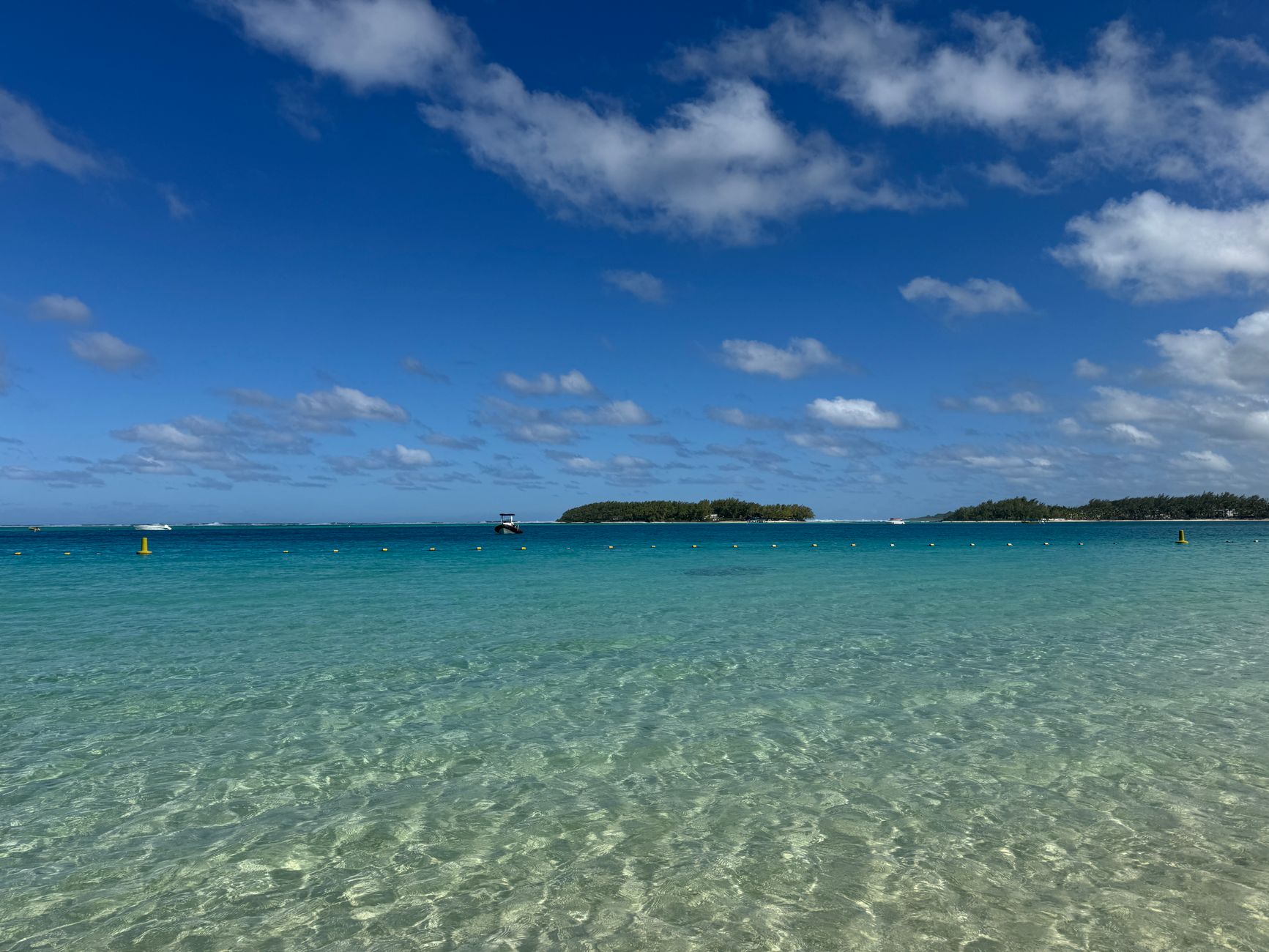
Okinawa and Tokyo are two of Japan’s most famous destinations, but their geographical distance can be surprising to some travelers. Relaxed beaches and rich culture characterize Okinawa, while Tokyo is known for its bustling urban landscape. Understanding how far they are from each other can help you plan your trip and decide the best mode of transportation.
The distance between Okinawa and Tokyo is approximately 1,600 kilometers (about 994 miles). This article will guide you on how to travel between these two unique locations, what to see in both areas, and practical tips for a smooth journey.
How Far Is Okinawa From Tokyo?
The distance between Okinawa and Tokyo is roughly 1,600 kilometers (994 miles). There are no direct land routes connecting the two due to their separation by the East China Sea, making air travel the most popular option.
Travel Options from Tokyo to Okinawa
Given the distance, the primary method of traveling from Tokyo to Okinawa is by air. Here’s a breakdown of your travel options:
By Air
Flying is the most efficient and straightforward way to reach Okinawa from Tokyo. The flight duration is about 2.5 to 3 hours. Numerous airlines operate this route, including:
- All Nippon Airways (ANA)
- Japan Airlines (JAL)
- Peach Aviation (Low-cost carrier)
- Vanilla Air (Low-cost carrier)
Flights generally depart from Tokyo’s two main airports: Narita International Airport (NRT) and Haneda Airport (HND). Both airports offer direct flights to Naha Airport (OKA), the main airport in Okinawa.
By Sea
While flying is the most common option, you can also take a ferry from Tokyo to Okinawa. However, this method is considerably slower, taking 24-30 hours depending on the service you choose. Ferries depart from Tokyo and arrive at various ports in Okinawa. Some of the companies offering ferry services include:
- Okinawa Ferry
- Sealink
Sailing can be an interesting option for those wanting to enjoy the journey but doesn’t suit travelers with time constraints.
Tips for Booking Flights and Ferries
When planning your transportation, consider the following tips:
- Book flights in advance to secure better rates, especially during peak travel seasons (spring and summer).
- Check for discounted fares with low-cost carriers if you’re flexible with your dates.
- For ferries, make reservations ahead of time, particularly during busy travel periods.
Best Times to Visit Okinawa
Okinawa’s tropical climate makes it a year-round destination, but the best times to visit are generally from April to June and from September to November when temperatures are more comfortable, and tourism is less crowded.
- Spring (March to May): Beautiful cherry blossoms and festivals.
- Summer (June to August): Busy season with warm weather, ideal for beach activities.
- Fall (September to November): Milder temperatures and fewer tourists.
- Winter (December to February): Cooler temperatures; off-peak season; good for budget travelers.
Getting Around in Okinawa
Once in Okinawa, getting around is essential for experiencing the island’s attractions. Here are several transportation options:
Rental Car
Renting a car is highly recommended for travelers, as it allows you to explore the island at your own pace. Major rental companies operate at Naha Airport as well as in town. Ensure you carry an International Driving Permit (IDP) for legal driving.
Public Transportation
Bus services provide an extensive network throughout Okinawa. While convenient, bus schedules may not be as frequent outside major cities. Here are some options:
- Okinawa Bus – servicing most major tourist areas.
- Yui Rail – a monorail system running from Naha Airport to Shuri Castle.
Taxis
Taxis are available but can be more expensive. They are more suitable for short trips or if you are in a group and can share the fare.
Must-Visit Attractions in Okinawa
Okinawa is rich in culture, history, and natural beauty. Here are some top attractions you should consider during your visit:
Shurijo Castle
This UNESCO World Heritage site is a must-see for its unique architecture and historical significance. It was the seat of the Ryukyu Kingdom and offers beautiful gardens and museums.
Okinawa Churaumi Aquarium
One of the largest aquariums in the world, Churaumi showcases the region’s rich marine life. Be sure to see the massive Kuroshio Sea tank, which contains whale sharks and manta rays.
Beaches
Okinawa is known for its stunning beaches. Some popular choices include:
- Emerald Beach: Ideal for swimming and family outings.
- Manza Beach: Famous for water sports and stunning sunsets.
- Zamami Island: Accessible by ferry; known for pristine conditions and diving.
Local Markets
Don’t miss Naha’s Makishi Public Market, where you can sample local delicacies, shop for souvenirs, and enjoy the lively atmosphere.
Food and Drink in Okinawa
Okinawan cuisine is distinct and delicious, featuring flavors influenced by Chinese, American, and indigenous traditions. Must-try dishes include:
- Okinawa Soba: Noodle soup made with thick wheat noodles.
- Goya Champuru: Stir-fried bitter melon dish that’s very popular.
- Awamori: A local distilled spirit made from rice.
- Beniimo Tart: A delicious dessert made from purple sweet potatoes.
Accommodation in Okinawa
Choosing where to stay in Okinawa can greatly affect your experience. Here are some accommodation options categorized by traveler type:
Luxury Resorts
If you’re looking for luxury, consider these resorts:
- The Ritz-Carlton, Okinawa
- Hotel Nikko Alivila
These resorts offer stunning views, exceptional amenities, and easy access to beaches and major attractions.
Mid-Range Hotels
For travelers looking to balance comfort and budget, mid-range hotels provide quality stays without breaking the bank:
- Okinawa Harborview Hotel
- Moon Ocean Ginowan Hotel
Budget Accommodations
If you are traveling on a budget, consider hostels or guesthouses:
- Guest house Miiko
- Okinawa Peace Hostel
Practical Travel Tips for Okinawa
As with any travel destination, being prepared can enhance your experience in Okinawa. Here are some practical tips:
- Learn a few basic Japanese phrases; Filipinos frequently see travelers communicate in English.
- Pack light and comfortable clothing suitable for warm weather.
- Bring sunscreen, especially if you plan on spending a lot of time outdoors.
- Respect local customs and traditions, particularly during cultural or religious events.
Safety Considerations
Okinawa is generally a safe destination for travelers. However, it pays to maintain common sense:
- Always be aware of your surroundings.
- Ensure you have travel insurance covering health and emergencies.
- Stay informed about local emergency numbers and healthcare facilities.
In addition, be cautious when engaging in water activities. Always choose certified providers and follow safety guidelines.
Suggested Itinerary for Okinawa
If you’re unsure how to structure your time in Okinawa, here’s a sample 5-day itinerary:
Day 1: Arrival in Naha
- Arrive at Naha Airport
- Check into your accommodation
- Explore Kokusai Dori Street for dining and shopping
Day 2: Culture and History
- Visit Shurijo Castle in the morning
- Explore the Okinawa Prefectural Museum and Art Museum
- Dine at a local restaurant in Naha
Day 3: Beach Day
- Spend the day at Emerald Beach
- Enjoy water sports or relax by the shoreline
Day 4: Island Hopping
- Take a ferry to Zamami Island
- Enjoy activities like snorkeling or diving
- Return to Okinawa in the evening
Day 5: Local Flavor and Departure
- Visit Makishi Public Market for breakfast and souvenirs
- Relax at your accommodation or explore local areas near Naha
- Head to Naha Airport for your departure
This itinerary provides a balance of culture, relaxation, and adventure, ensuring that travelers can experience the diverse offerings of Okinawa.
With its stunning beaches, rich history, and vibrant culture, Okinawa is a fantastic destination when visiting Japan, especially when you’re flying from the bustling metropolis of Tokyo. Plan ahead for your travel route, and explore the many unique experiences awaiting you in this enchanting island.
To dive deeper into your Japan travel planning, explore more guides on how long it takes to fly to Japan and whether it snows in Japan.