
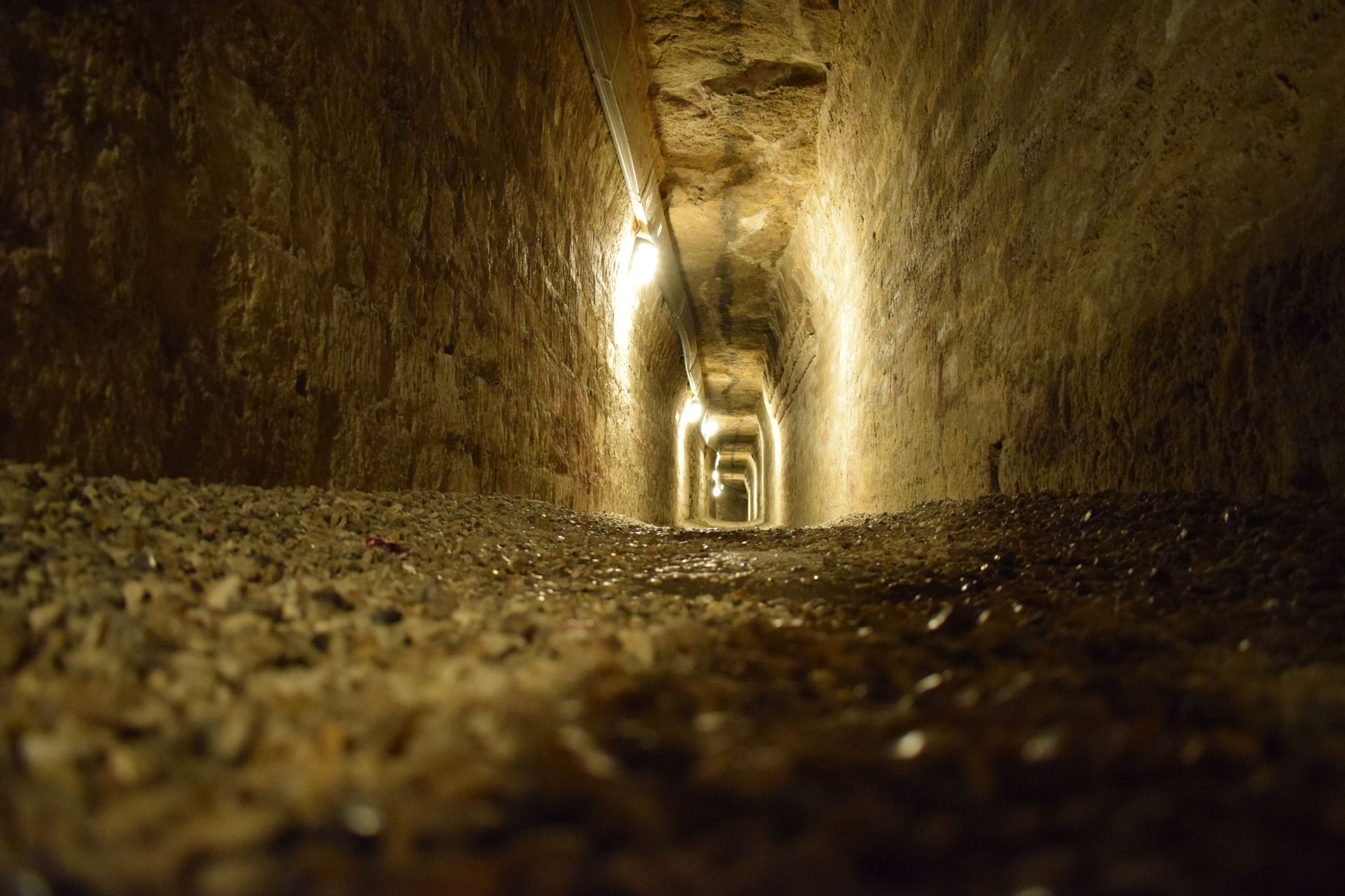
The Catacombs, often associated with eerie imagery and whispered legends, are ancient burial sites that have fascinated travelers for centuries. Particularly famous are the Catacombs of Paris and Rome, sprawling underground networks that delve deep beneath bustling cities. But why were these catacombs constructed, and what purpose did they serve?
Understanding the reasons behind the construction of the catacombs requires a dive into history, urban development, and cultural practices surrounding death. This article will explore the multifaceted reasons behind the creation of these remarkable underground sites, making them not only significant historical landmarks but also fascinating travel destinations.
Why Were The Catacombs Built?
The catacombs were primarily built for two main reasons: to provide a solution to urban overcrowding and as a means of safe burial for the dead. In cities like Paris and Rome, where the population was growing rapidly, traditional burial grounds became insufficient, necessitating innovative solutions.
Initially, as populations expanded, the available land for traditional burials became scarce. Family plots began to overflow, leading to health hazards due to the proliferation of decaying bodies. Consequently, cities sought alternative methods for the interment of their deceased. The catacombs served as a systematic way to manage burial space and maintain hygiene in urban areas.
Historical Overview of Catacombs
To fully appreciate the significance of the catacombs, it’s essential to look at their historical context. The earliest catacombs can be traced back to ancient Rome, during the second century AD. Initially, they were made as a solution for the Christian community, allowing for underground burials in secret to evade persecution.
As Rome became more accepting of Christianity, catacombs grew larger and more elaborate. They served not only as burial sites but also as places for worship and reflection, with frescoes and inscriptions marking the resting places of the deceased. Notable examples include the Catacombs of San Callisto and San Sebastiano, which still attract visitors today.
The Paris Catacombs, established in the late 18th century, emerged in response to significant public health issues caused by overflowing cemeteries. By relocating remains from neighborhoods like Les Innocents to the underground limestone quarries, authorities found a practical solution to a pressing urban crisis. The transfer of bones in 1786 marked the transformation of these quarries into the historic ossuary we see today.
Exploring the Purpose and Uses
Religious Significance
In early Christian societies, catacombs served as sacred spaces. The practice of burying the dead underground reflected beliefs about resurrection and the afterlife. Christians believed in a spiritual connection to the burial site, which was often further sanctified by holding services within the catacombs.
This ritualistic use underscores the duality of catacombs as both burial sites and places of worship. Visitors can still find biblical references and symbols carved into the walls, showcasing their historical religious significance.
Practical Solutions for Overcrowding
The exponential growth of urban populations during the late 18th and early 19th centuries resulted in a crisis for cities worldwide. Overcrowded cemeteries caused increased mortal health risks. The Paris Catacombs exemplified a revolutionary response, shifting an unimaginable amount of remains underground. This not only preserved the dignity of the deceased but also addressed immediate public health concerns.
Art and Architecture
Beyond their practical purpose, catacombs have always been intertwined with art and architecture. The development of intricate designs and elaborate sculptures showcases the skill and devotion of artisans throughout history. For instance, the use of decorative elements like arches, niches, and intricately carved walls is seen throughout both the Paris and Roman catacombs.
Additionally, elaborate ossuary displays, such as skull and crossbones motifs, create a unique visual narrative that reflects the attitudes towards death and mortality across eras. This dual function—serving as a burial site and an art gallery—is a notable characteristic that appeals to travelers today.
Visiting the Catacombs: What to Expect
For those intrigued by the historical aspects of the catacombs, visiting offers an immersive experience like no other. Here’s what you can expect when planning a trip.
Best Catacombs to Visit
- Catacombs of Paris: Known for its striking displays of skulls and bones, the Paris Catacombs are a fascinating journey through the city’s history.
- Catacombs of Rome: Boasting some of the earliest examples, the Roman catacombs offer insight into early Christian practices.
- Catacombs of Naples: Featuring impressive frescoes and ancient burial chambers, these catacombs reveal a different perspective on burial traditions.
Travel Tips for Visiting Catacombs
To ensure a smooth visit, consider the following tips:
- Advance Tickets: Many catacombs, especially in Paris, require tickets that can sell out quickly. Booking in advance is advisable.
- Guided Tours: To gain in-depth knowledge about the history and architecture, consider joining a guided tour.
- Check Accessibility: Some catacombs may not be fully accessible to individuals with mobility issues due to narrow passages and stairs.
- Safety Precautions: Prepare for potential dampness and low lighting inside, and wear comfortable shoes.
Suggested Length of Stay
A visit to the catacombs can typically take between one to three hours depending on the depth of your exploration and whether you choose a guided tour. When planning your trip, consider allocating ample time to take in the atmosphere and reflect on the history surrounding these sites.
Practical Considerations for Travelers
Before visiting catacombs, several practical factors can enhance your experience.
How to Get There
Whether you are in Paris or Rome, reaching the catacombs is generally straightforward:
- Transportation: Utilize public transportation systems such as buses or metros to reach the nearest stations to the catacombs.
- Walking: Expect to walk from the nearest station, which might involve navigating urban streets or staircases.
Accommodation Options
When planning an overnight trip, consider staying in areas close to your chosen catacombs:
- In Paris: Neighborhoods like Montparnasse and the Latin Quarter provide easy access to the Paris Catacombs’s entrance.
- In Rome: Stay near the Appia Antica region for a short trip to the various catacombs scattered in the area.
Seasonal Considerations
The best time to visit the catacombs will depend on your preference for crowd sizes and climate:
- Spring and Fall: These seasons often provide mild weather and fewer crowds, enhancing the overall experience.
- Summer: High tourist season may attract more visitors, so consider booking early.
Budget Considerations for Catacomb Visits
As with any travel destination, budget considerations are paramount when visiting the catacombs.
Ticket Prices
Entry fees for catacombs can vary significantly:
- Paris Catacombs: Tickets are generally priced around €14, with discounts for students and young visitors.
- Rome Catacombs: Prices typically range from €5 to €10, depending on the site.
Additional Costs
Other expenses can include:
- Transportation: Consider public transport costs or parking fees if you’re driving.
- Guided Tours: Expect to pay extra for guided experiences that can add significant value.
- Souvenirs: Many sites have gift shops where you can purchase books and memorabilia.
Practical Planning Tips
To avoid overspending, consider the following:
- Plan visits during off-peak hours for potential savings on guided tours.
- Take advantage of combo tickets for multiple attractions in the area.
- Look for free entry days or discounts offered by local tourism boards.
Accessibility Considerations
When visiting catacombs, accessibility can sometimes be an issue. Many of these sites have narrow passages and numerous stairs, which might pose difficulties for individuals with mobility impairments. It’s essential to research each specific catacomb’s accessibility features beforehand.
Safety Measures
While exploring catacombs, it is also crucial to prioritize safety:
- Stay aware of your surroundings, as visibility can be limited.
- Follow the guidance of any tour leaders or signage.
- Bring a flashlight if permitted, especially in darker segments.
The Cultural Impact of Catacombs
The history and lore surrounding catacombs have significantly influenced culture and tourism. Thrilling stories of hauntings and historical events continue to attract adventurous visitors.
Literature and Film
Catacombs have served as inspiration for many literary works, movies, and even urban legends. Their dark and mysterious nature lends itself well to stories of suspense and intrigue. This cultural prominence has sparked an increasing interest among tourists seeking thrilling experiences.
Local Festivals and Events
Particularly in cities like Paris, the catacombs sometimes serve as venues for special events, historical reenactments, or art exhibitions. Participating in these events can provide unique ways to engage with history and explore the significance of the catacombs beyond mere visits.
Conclusion
The catacombs stand as remarkable testaments to how urban planning, cultural practices, and societal needs have intersected throughout history. Visiting them offers a glimpse into a unique aspect of our collective human experience, making them worthy of exploration.
Before you travel, ensure you plan effectively with tickets, transportation, and accommodation arrangements in mind. The historical and cultural richness behind catacombs, coupled with their intriguing architecture, will undoubtedly enhance your travel experience.
To further enrich your travel planning, explore related destination guides like Auschwitz or learn about the purpose of the Colosseum. Safe travels, and enjoy your exploration of these fascinating historical sites!