
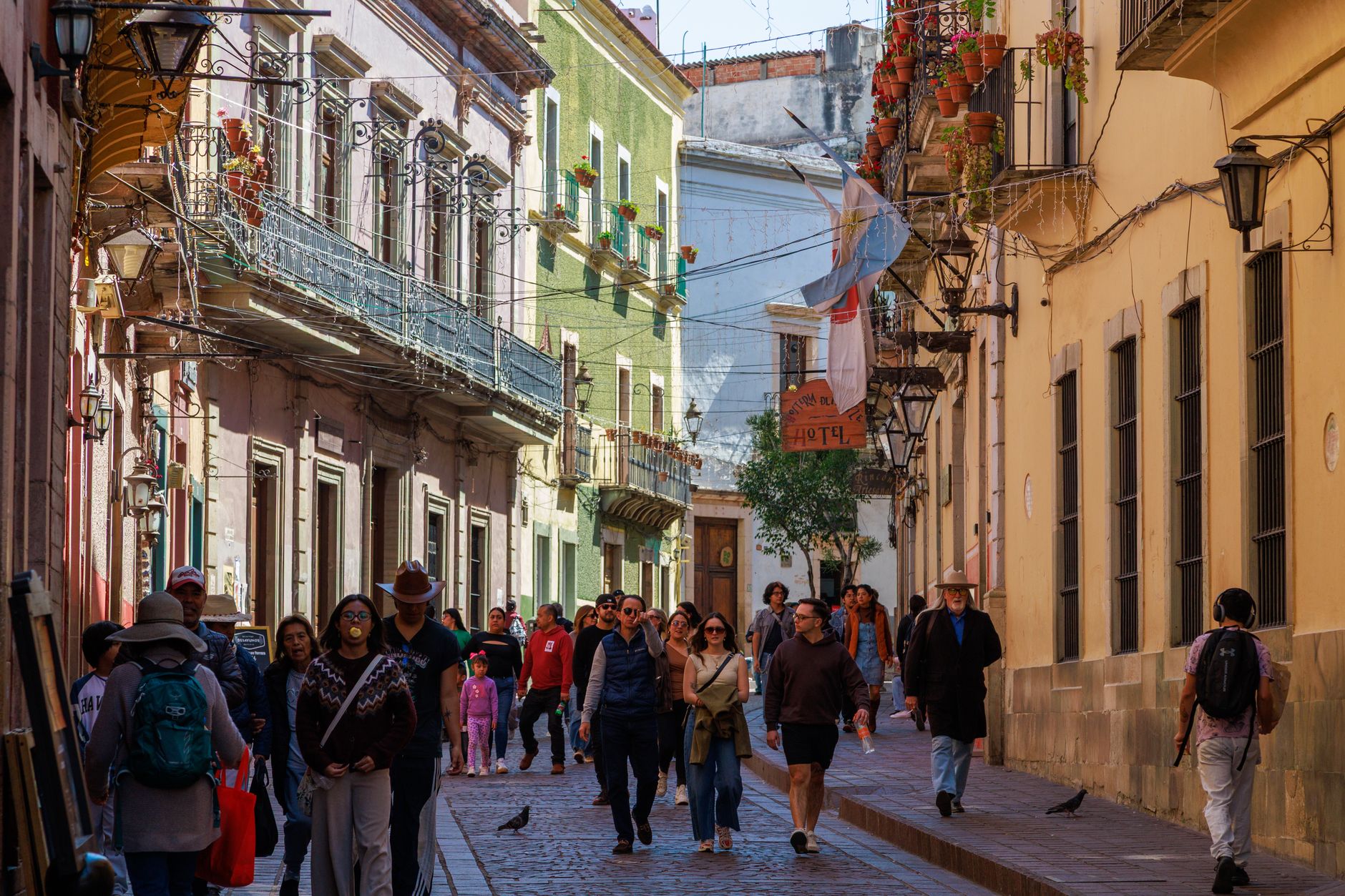
Mexico is a vibrant country brimming with diverse landscapes, rich cultural heritage, and warm, welcoming people. From stunning coastlines to ancient ruins, its natural beauty and historical significance make it a picturesque destination for travelers of all types. Each region presents a unique look and experience, offering insights into the country’s depth and diversity.
What does Mexico look like? This question goes beyond just visuals—it’s about understanding its colors, flavors, traditions, and views that define this magnificent country. Whether you’re drawn to bustling cities, serene beaches, or rugged mountains, Mexico’s allure is undeniable.
What Does Mexico Look Like?
Mexico is a tapestry of landscapes and experiences, featuring stunning beaches, iconic archaeological sites, lush jungles, and modern cities. Whether in the Yucatán Peninsula’s turquoise waters or urban hubs like Mexico City, the scenery is rich with cultural heritage and natural beauty.
A Snapshot of Mexico’s Diverse Landscapes
Mexico is characterized by its strikingly diverse geography. Here are some of the most captivating landscapes you can expect to see:
- Beaches: Mexico boasts some of the world’s most beautiful beaches, particularly along the Caribbean coast. Destinations like Cancun, Playa del Carmen, and Tulum feature soft, white sands and crystal-clear turquoise waters.
- Mountains: The Sierra Madre mountain range stretches across the country, offering breathtaking views and opportunities for hiking. Locations like the Copper Canyon provide dramatic scenery.
- Deserts: Northern Mexico features several deserts, such as the Chihuahuan Desert, with unique flora and fauna. The arid landscapes present a stark contrast to the lush jungles found in other regions.
- Forests: The country is home to a variety of ecosystems, including temperate rainforests in regions like Oaxaca and pine-dominated forests in the Sierra Madre.
- Archaeological Sites: Ancient civilizations have left behind impressive ruins that dot the landscape. Sites such as Teotihuacan and Chichen Itza provide a glimpse into Mexico’s rich history.
Iconic Cities and Towns
The urban centers of Mexico are a blend of modernity and tradition, each with its unique charm. Here are some highlights:
Mexico City
As the capital, Mexico City is one of the largest cities in the world, featuring a fascinating mix of historic architecture and cutting-edge modern buildings. The Zócalo, or main square, is home to the impressive Metropolitan Cathedral and the National Palace.
Guadalajara
Known as the birthplace of mariachi music, Guadalajara combines history with a vibrant cultural scene. Its historic center is filled with colonial buildings, and the nearby town of Tequila offers distillery tours.
Oaxaca
Oaxaca is famous for its rich indigenous culture, colorful markets, and delicious cuisine. The city features beautiful colonial architecture and is a gateway to ancient ruins such as Monte Albán.
Merida
Considered the cultural capital of the Yucatán, Merida is rich in colonial history and Mayan heritage. The city is known for its brightly colored buildings, bustling plaza, and proximity to cenotes and archaeological sites.
Natural Wonders of Mexico
Mexico’s geography offers a plethora of natural attractions that can cater to outdoor enthusiasts and natural wonders seekers:
The Cenotes
The Yucatán Peninsula is renowned for its cenotes, natural sinkholes filled with fresh water. They vary in size and shape, offering excellent swimming, snorkeling, and diving opportunities amidst stunning tropical settings.
Natural Parks
Natural parks like Parque Nacional Sierra de Órganos and Parque Nacional Cumbres de Monterrey showcase diverse ecosystems and are perfect for hiking, camping, and birdwatching.
Coastlines and Coral Reefs
The Great Mesoamerican Reef along the coast of Quintana Roo is the second largest reef system in the world. Snorkeling and diving in these waters reveal vibrant marine life and coral formations.
Exploring Mexican Culture
Cultural experiences abound throughout Mexico, reflecting the country’s rich heritage. Here are a few highlights:
Culinary Delights
Mexican cuisine is as colorful as its landscapes. Engaging in a local food tour or cooking class can immerse you in flavors like tacos, tamales, and enchiladas, along with regional specialties unique to each area.
Festivals and Events
Mexico is famous for its vibrant festivals. Day of the Dead (Día de los Muertos) is a profound cultural event celebrating deceased loved ones and is marked by colorful altars and parades.
Art and Handicrafts
Artisan markets, such as those in Oaxaca and Guadalajara, showcase local crafts, textiles, and pottery. Special attention to regional styles provides insight into cultural traditions woven through everyday life.
Practical Information for Traveling in Mexico
Planning a trip to Mexico involves considering various aspects such as transportation, accommodation, and budget options.
Getting There
Mexico has numerous international airports, with Mexico City, Cancun, and Guadalajara being the most frequented. Flights are generally available from most major cities; booking in advance can help secure better rates.
Transportation Within Mexico
Getting around within the country is relatively straightforward.
- Bus Services: Mexico has an extensive bus system, with many long-distance buses offering comfortable travel between cities. Popular companies include ADO and Primera Plus.
- Ridesharing: In urban areas, services like Uber are widely available and provide convenience and safety compared to local taxis.
- Car Rentals: Renting a car is an option for those looking to explore rural areas or travel at their own pace. Be sure to check local driving laws and insurance requirements.
Accommodation Options
Mexico offers a wide range of accommodation suitable for all budgets:
- Luxury Hotels: For those seeking a high-end experience, resorts in Cancun or boutique hotels in Mexico City cater to visitors desiring opulence.
- Mid-Range: Guesthouses and well-known hotel chains provide comfortable stays at reasonable prices.
- Budget: Hostels and budget hotels in major cities allow for easy access to attractions without breaking the bank.
Best Time to Visit Mexico
The timing of your visit can significantly affect your experience in Mexico. Here’s what to consider:
- High Season (December to April): This period offers pleasant weather, making it perfect for beachgoers and outdoor adventures, but it can also be more crowded and expensive.
- Shoulder Season (May and October): This period provides a balance of decent weather and fewer tourists. It can be a great time to explore the cities and enjoy local festivals.
- Low Season (June to September): Expect hotter temperatures and potential rain. This is the best time for budget travelers, but be cautious of possible hurricanes along the coast.
Budgeting for Your Mexico Trip
Understanding the cost of traveling in Mexico can help with planning a more enjoyable experience. Here’s an overview of possible expenses:
- Food: Street food can cost as little as $1 to $3 per meal, while dining in mid-range restaurants might set you back about $10 to $20.
- Accommodation: Budget travelers can find hostels for $10 to $30 per night, while mid-range hotels typically charge $40 to $100.
- Transportation: Public transportation is very affordable, with local bus fares costing around $0.50, while long-distance buses range from $20 to $60 depending on the distance.
Safety Considerations
While travel safety varies by location, there are general precautions to keep in mind:
- Stay aware of your surroundings, especially in crowded places.
- Use reputable transportation services and avoid displaying valuables.
- Research specific areas to understand any travel advisories or potential risks.
Mexico for Families and Solo Travelers
Mexico has charming aspects for both families and solo travelers, making it a versatile choice for various types of trips.
Family Trips
Family-friendly attractions like theme parks, educational sites, and eco-parks abound.
- Xcaret Park: Located near Playa del Carmen, this eco-archaeological park offers dolphin encounters, snorkeling, and cultural performances.
- Chichen Itza: The history at this UNESCO World Heritage site is engaging for all ages, and educational tours can make it a fun family experience.
Solo Travel
Traveling alone in Mexico can be enriching with opportunities for meeting locals and experiencing new cultures.
- Adventure Trips: Join adventure tours for activities like hiking, diving, or cooking classes, which often cater to solo adventurers.
- Walking Tours: Cities like Mexico City offer organized walking tours that are great ways to meet fellow travelers.
Packing for Mexico
Packing wisely can enhance your trip experience. Here are some essential items to include:
- Light Clothing: The warm climate calls for breathable fabrics, especially in coastal regions. Always include a hat and sunglasses.
- Comfortable Footwear: If you plan on exploring, packing good walking shoes is crucial.
- Travel Documents: Ensure you have your passport, any necessary visas, and copies of important documents.
Conclusion
Mexico is a dynamic and inviting destination that encompasses a stunning variety of landscapes, cultural experiences, and culinary delights. Whether you’re indulging in its history, soaking up sun on the beaches, or exploring its vibrant cities, Mexico offers something for every type of traveler. Start planning your adventure to discover what the country looks like, and prepare for memorable experiences.
If you want to learn more about visiting Mexico, check out our articles on whether it snows in Mexico or safety in Mexico City for more tailored travel advice.