
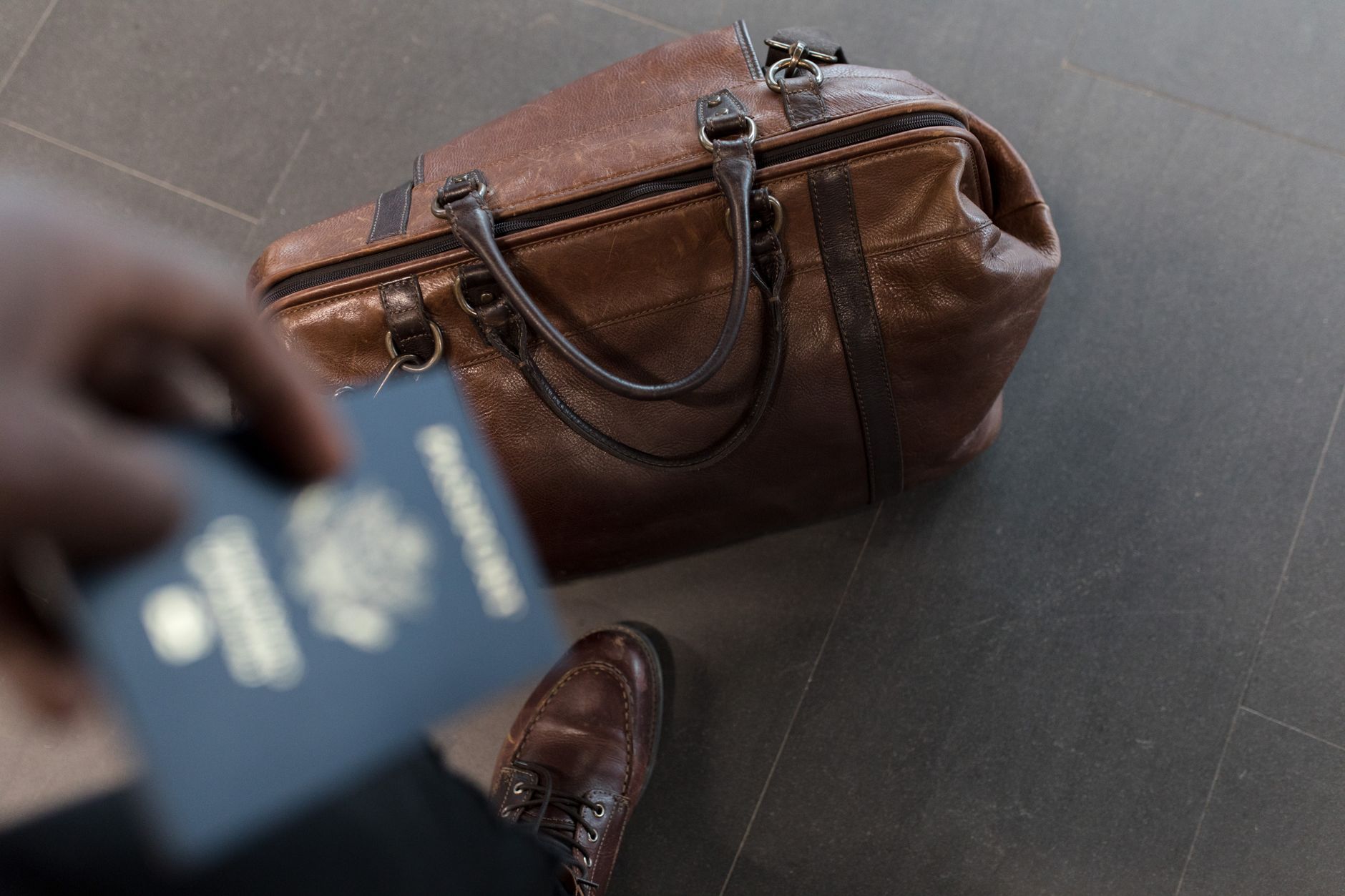
Traveling can sometimes be a complex and stressful experience, especially when it comes to packing and understanding airline policies. Many travelers wonder about fees associated with carry-on baggage, particularly with major airlines like Delta. Understanding whether Delta charges for carry-on bags is essential for avoiding last-minute surprises at the airport.
This article will clarify Delta’s carry-on baggage policies, including size limits, fees, and additional considerations for travelers. Whether you’re a frequent flyer or planning your first trip, getting the details right can make your journey seamless.
Does Delta Charge For Carry On Bags?
No, Delta does not charge for carry-on bags for most passengers traveling on their domestic and international flights. However, this is subject to specific size limits and policies that passengers should be aware of.
Understanding Delta’s Carry-On Baggage Policy
Delta Airlines allows each passenger traveling in economy and higher classes to bring one free carry-on bag and one personal item on board. Here are the key points to remember:
- Carry-On Bag: Must fit in the overhead bin or beneath the seat in front of you.
- Personal Item: This is typically a smaller bag, like a purse or laptop bag, that must fit under the seat.
The maximum dimensions for a carry-on bag are 22 x 14 x 9 inches (56 x 36 x 23 cm), including handles and wheels. The personal item should not exceed 18 x 14 x 8 inches (46 x 36 x 20 cm).
Fee Policies for Additional Carry-On Items
While Delta allows passengers to take one carry-on bag and one personal item free of charge, there are certain circumstances under which fees might apply:
- Excess Items: If you bring more than one carry-on bag, you may be charged a fee and required to check the additional bag.
- Oversized Bags: If your carry-on bag exceeds the size limits, it cannot be taken on board and must be checked, potentially incurring a fee.
Checking Your Bag’s Size
Before heading to the airport, it’s advisable to measure your carry-on bag to ensure compliance with Delta’s size restrictions. You can do this by using a tape measure or a ruler. Remember that including any accessories such as handles or wheels is necessary when evaluating the overall size of your bag.
What to Include in Your Carry-On Baggage
When packing for your trip, consider which items are essential and practical to store in your carry-on. Here are some suggestions:
- Clothing: A change of clothes or an extra sweater for comfort, especially on long flights.
- Toiletries: Ensure liquids comply with the TSA 3-1-1 rule — containers no larger than 3.4 ounces (100 milliliters) and all must fit within a quart-sized bag.
- Entertainment: Books, an e-reader, or other electronic devices to keep you entertained during the flight.
- Documents: Passport, ID, boarding passes, and any other essential travel documents.
Restrictions on Carry-On Items
Not all items can be placed in your carry-on bag. Understanding what is allowed is critical to ensuring a smooth boarding process. According to TSA regulations and Delta’s guidelines, the following items must be checked or are prohibited:
- Sharp Objects: Items like knives, scissors, or any sharp tools are not permitted.
- Flammable Items: This includes items such as lighter fluid or fireworks.
- Sports Equipment: Items like baseball bats or ski poles must be checked.
For a comprehensive list of items that can or cannot be packed in your carry-on, refer to TSA’s guidelines.
Booking Classes and Carry-On Allowances
Delta passengers fly in various classes, and it’s good to note if there are differences in baggage allowances based on your ticket class:
- Delta One: Passengers can take one carry-on bag and one personal item, along with other checked baggage allowances.
- First Class: Similar to Delta One, first-class passengers can also take one carry-on and one personal item.
- Delta Comfort + and Main Cabin: The same carry-on policy applies.
- Basic Economy: This class allows a personal item only unless you purchase a carry-on bag option.
Understanding Delta’s Basic Economy Class
In recent years, Delta Airlines introduced more fare types for travelers, including Basic Economy. It is essential for passengers in this category to understand the differences in luggage allowances.
Basic Economy Carry-On Policies
If you’re flying Basic Economy, carry-on policies differ slightly:
- A personal item is allowed.
- You may not bring a full-sized carry-on bag unless you pay an additional fee or have Medallion status or an eligible credit card.
Passengers in this fare class may find it beneficial to prioritize efficiency with packing and carefully choose what to include in their personal item.
Preparing for Security Screening
Air travel now comes with the added requirement of security checks. When carrying on items, remember the following tips to help ease your way through the screening process:
- Prepare for Liquid Regulations: Place your 3-1-1 compliant liquids in an easily accessible compartment of your carry-on.
- Remove Electronic Devices: Be prepared to take large electronics out of your bag for separate screening.
- Wear Easy-to-Remove Shoes: Follow TSA’s guidelines on footwear to move through the line quickly.
What to Do if Your Carry-On Exceeds Allowable Limits
Should you arrive at the airport and find that your carry-on bag exceeds size limits, you have a few options:
- Check It: You can check the bag at the airline counter or gate, potentially incurring a checked bag fee.
- Redistribute Contents: If possible, remove some items and transfer them to your personal item.
- Ship Items Ahead: Consider shipping some items to your destination rather than dealing with the carry-on restrictions.
Being proactive about understanding your baggage needs can reduce stress at the airport.
Alternatives to Carry-On Luggage
For those who find the concept of carry-on luggage limiting, consider these alternatives:
- Checked Luggage: If you are traveling with an extensive wardrobe or need various items, checking a bag may be worthwhile.
- Travel Backpack: A backpack can often hold more than a standard carry-on suitcase while being more maneuverable.
- Compression Bags: Using these can maximize space in your carry-on while adhering to size limits.
Traveling with Children and Special Considerations
Traveling with kids can often mean extra baggage. Delta accommodates families with specific policies:
- Baby Gear: Car seats and strollers can often be checked at the gate without extra charges.
- Additional Items: Families traveling with children may want to pack items such as snacks and toys in their carry-on.
Ensure to verify the current guidelines on traveling with kids while preparing for your flight.
Frequent Flyer Programs and Membership Benefits
Joining Delta’s SkyMiles program can offer multiple benefits, including the allowance of extra baggage for elite members, which can improve overall travel experiences. Here’s a quick overview:
- Medallion Members: These frequent flyers may enjoy higher baggage allowances without incurring fees.
- Credit Card Holders: Some co-branded Delta credit cardholders may also receive additional baggage allowances.
Summary of Key Points
Understanding Delta’s carry-on baggage policies can save time and reduce stress during your travels. Remember these essential takeaways:
- Delta allows one free carry-on and one personal item.
- Basic Economy fares may have stricter carry-on allowances.
- Measure your bags to ensure they fit within the allowed dimensions before traveling.
- Prepare for security screening by organizing your carry-on items appropriately.
If you keep these considerations in mind, you’ll be well-prepared for a smooth airport experience. Safe travels!
For more guidance on air travel, check out our articles on what is allowed in carry-on baggage on Southwest Airlines and what is not allowed on a plane carry-on.